The Weekly Newsletter of Chubeza Farm
THANK YOU!!
MORNING
I barely
get the kids organized,
Casting them upon waters,
Packing a bag
Like a carelessly spread sandwich
Wisps of coriander
Stray from the band
that binds together
the oiliness.
Each one shuffles out
One too sour,
The lemon spilled unnoticed.
One chockful of comfort-crispies chocolate
One forgot her bag
Stuffed with rebukes.
And for another
I wrote a note.
The routine tardiness is fastened with a clasp of love,
pinned, as always,
to the very top.
- Araleh Admanit
Translated from Hebrew by Aliza Raz-Melzer
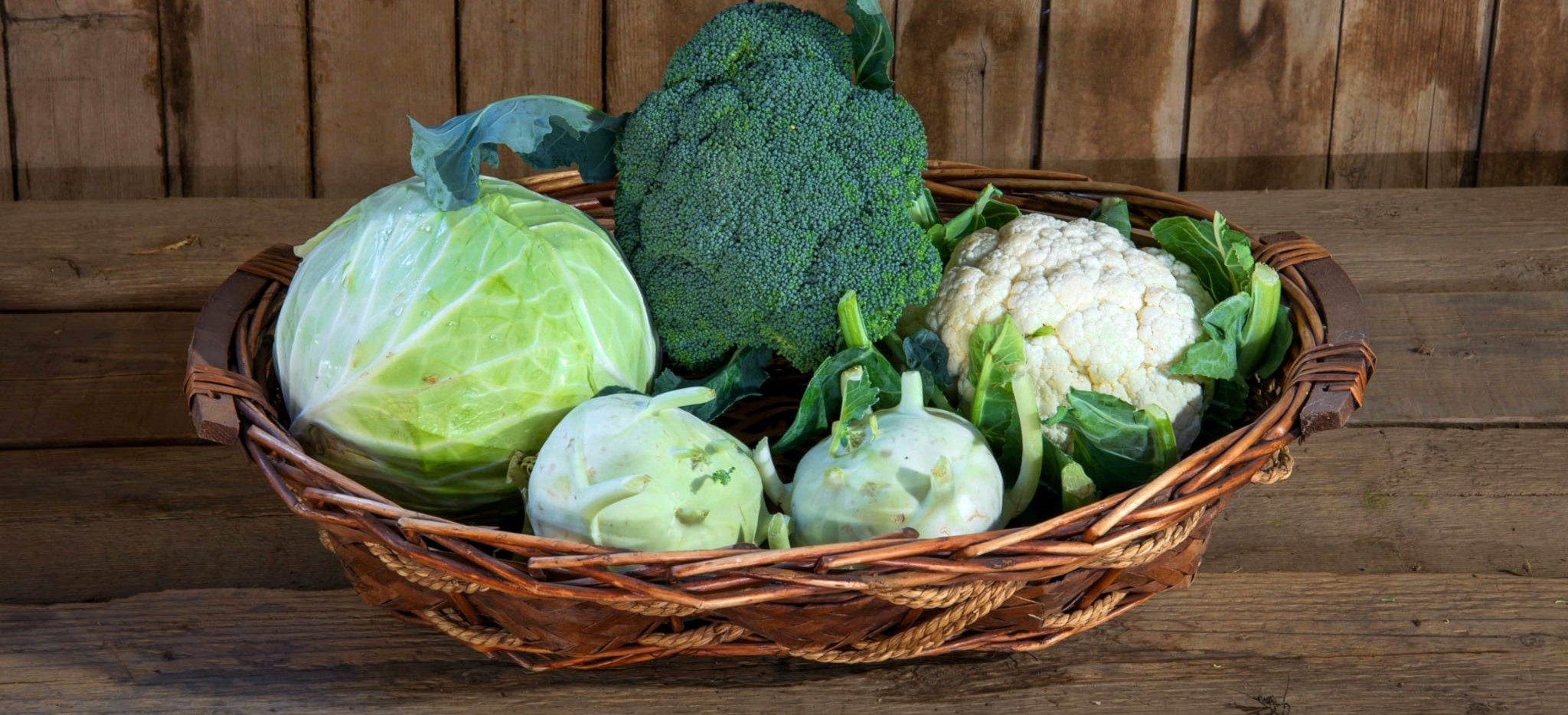
This week, two final members of the remarkable Brassicaceae (cabbage) family are joining your Chubeza box: broccoli and kohlrabi. They proudly take their place alongside kale, cabbage and cauliflower, which began arriving two weeks ago. Together, they showcase a variety of plant preferences and evolutionary paths - leaves, flower buds, and thickened stems. These vegetables thrive in rich, fertile soil, and in return offer us heaping portions of health, nourishment, flavor – and beauty.
Just picture it: a glamourous cauliflower with its bright, intricately fashioned white crown, a green or purple cabbage dotted with raindrops, or Brussels sprouts that look like climbers racing up the stem to reach the top. This stunning diverse pluralistic family warms the heart—a family where each member is embraced for its unique traits, growth patterns, colors, and distinct flavors.

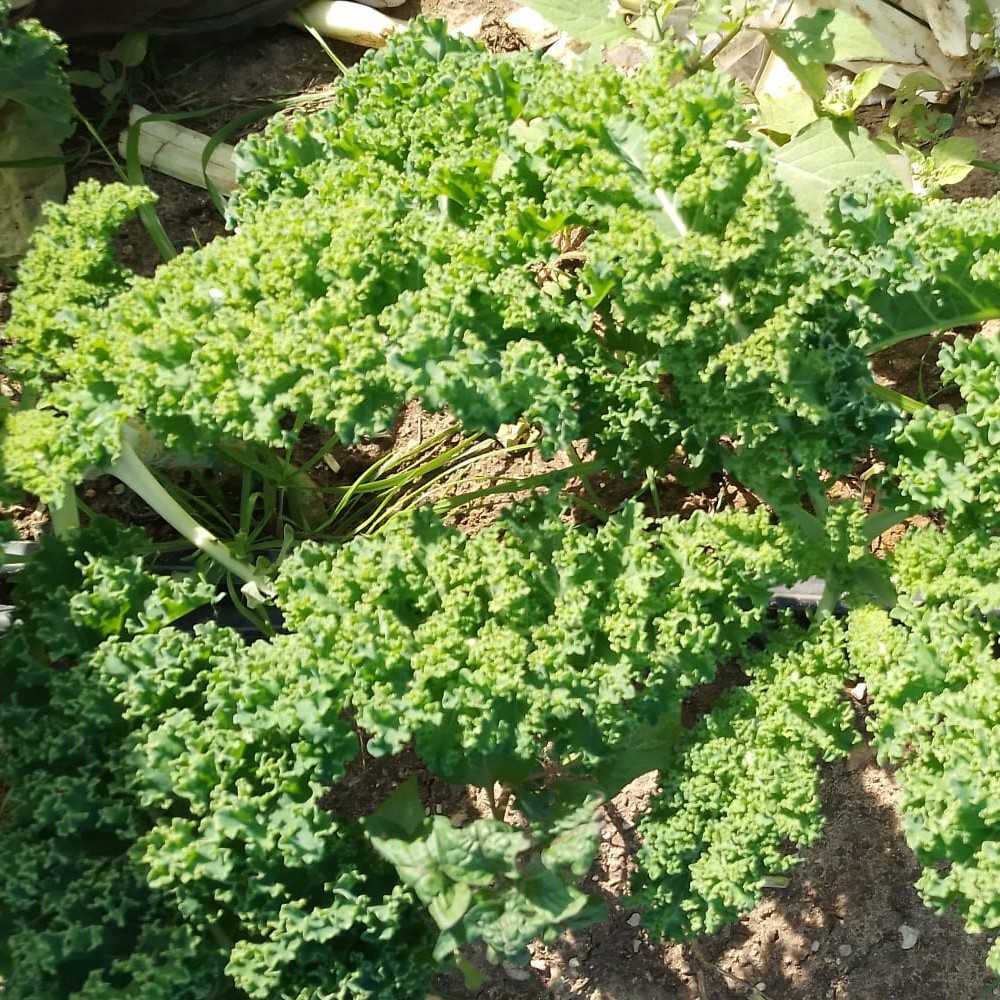
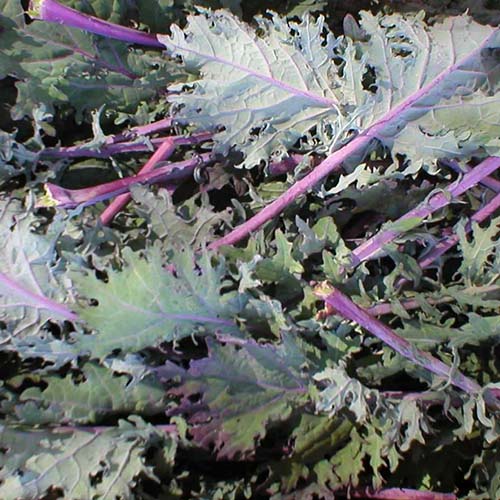
The cabbage (Brassicaceae) family is a perfect example. All family members originated from one wild plant, Brassica oleracea, born in the Mediterranean region and resembling a canola plant in appearance. At some point after domesticating the plant, people began growing it for its leaves. Since they consumed the leaves, it made sense each year to choose the plants that produced the largest leaves. Over time, those leaves became bigger and bigger, leading to the creation of the plant we now know as kale or collards. Kale’s botanical name is var. acephala, meaning a "headless cabbage."
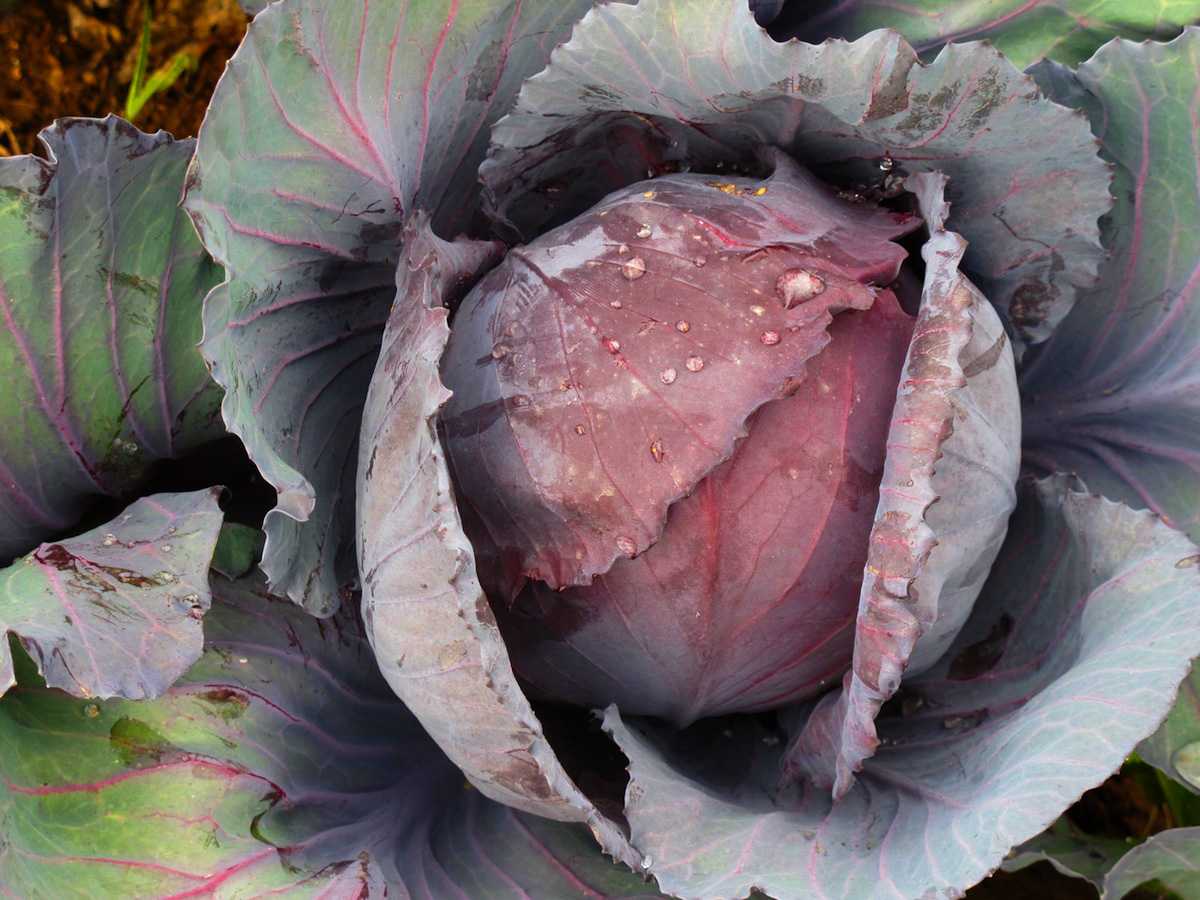

Other folks preferred plants that produced smaller, denser, and more delicate leaves in the plant’s center of the stem, hence propagating plants with these traits. Over the seasons, the trait of compactness became increasingly prominent in such plants, resulting in a dense, closed cluster of leaves at the top of the plant. Over the years, this cluster grew to evolve into the "head" we know as cabbage, whose formal title is var. capitata, a "headed cabbage."
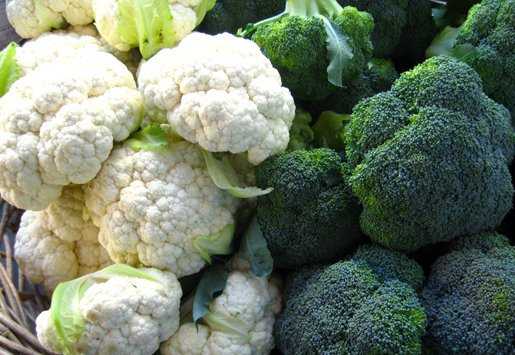
Sometime within the last thousand years, humans developed a passion for eating the immature flower buds of the cabbage and began selecting plants that produced large flowering heads. This is how cauliflower and broccoli were born, both variations of the cabbage’s undeveloped inflorescence. Cauliflower is var. botrytis, meaning "cluster," for its resemblance to a cluster of grapes. Broccoli, developed in Italy, earned the title var. italica.
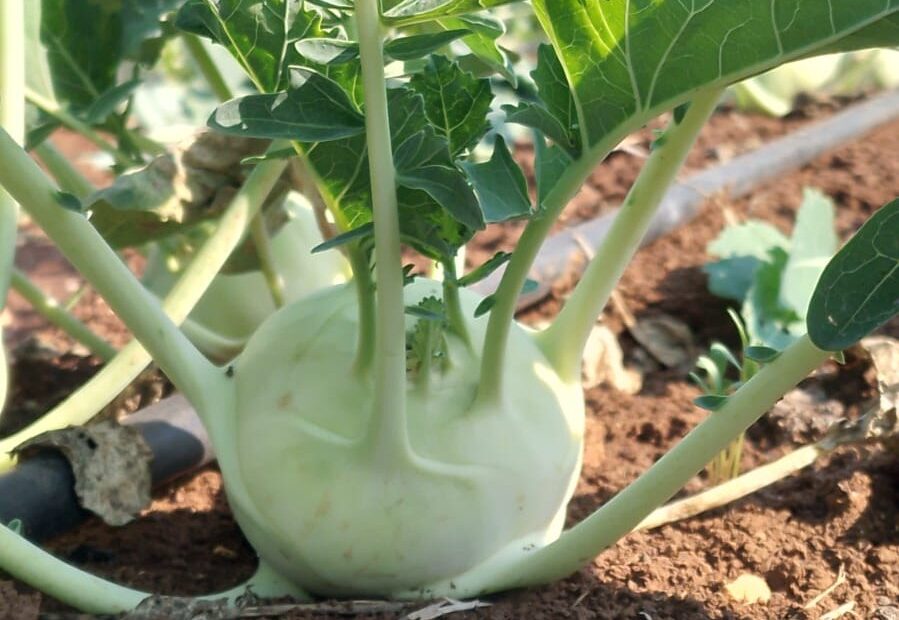
Then there were those who davka focused on a different part of the plant. In today’s Germany, growers actually favored kale plants with short, thick stems. They hankered to eat the stem itself. Gradually, by selecting plants with naturally thick stems, they transformed the ancient cabbage to significantly thicken its stem and morph into kohlrabi, named var. caulorapa, meaning “stem turnip.”
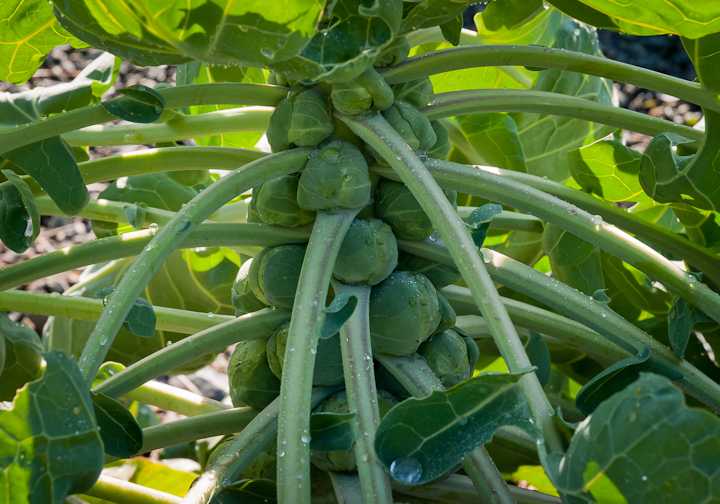
As for the last member of this robust, extended family: We each have our own individual preferences for tastes and smells, and apparently there were also those (probably the Belgians) who preferred plants that developed multiple dense, clustered leaves along the stem. They chose and re-chose plants that produced this leaf pattern, bringing the world Brussels sprouts, titled var. gemmifera, "gem-bearing cabbage."
Thus, this twisting family tale demonstrates that even without formal education in genetics or plant breeding, but rather via a process of careful observation, simple seed selection by dedicated growers, and a great deal of perseverance and patience, six distinctive vegetables have been developed over the past 7,000 years. Small, everyday miracles. They happen in the best of families.
Wishing everyone a week of good news, patience, and inner strength. May hearty rains – and all other blessings – speedily arrive. We pray for the safe return of all the fallen hostages to the embrace of their families.
Alon, Bat-Ami, Dror, Einat and the entire Chubeza team