The Weekly Newsletter of Chubeza Farm
THANK YOU!!
Now everything is transparent, now after the rain
The earth is fresh and deeply fragrant
Suddenly you can see both sides of the bridge
What was once distant is not so far away.
- Yoram Taharlev and Yair Klinger
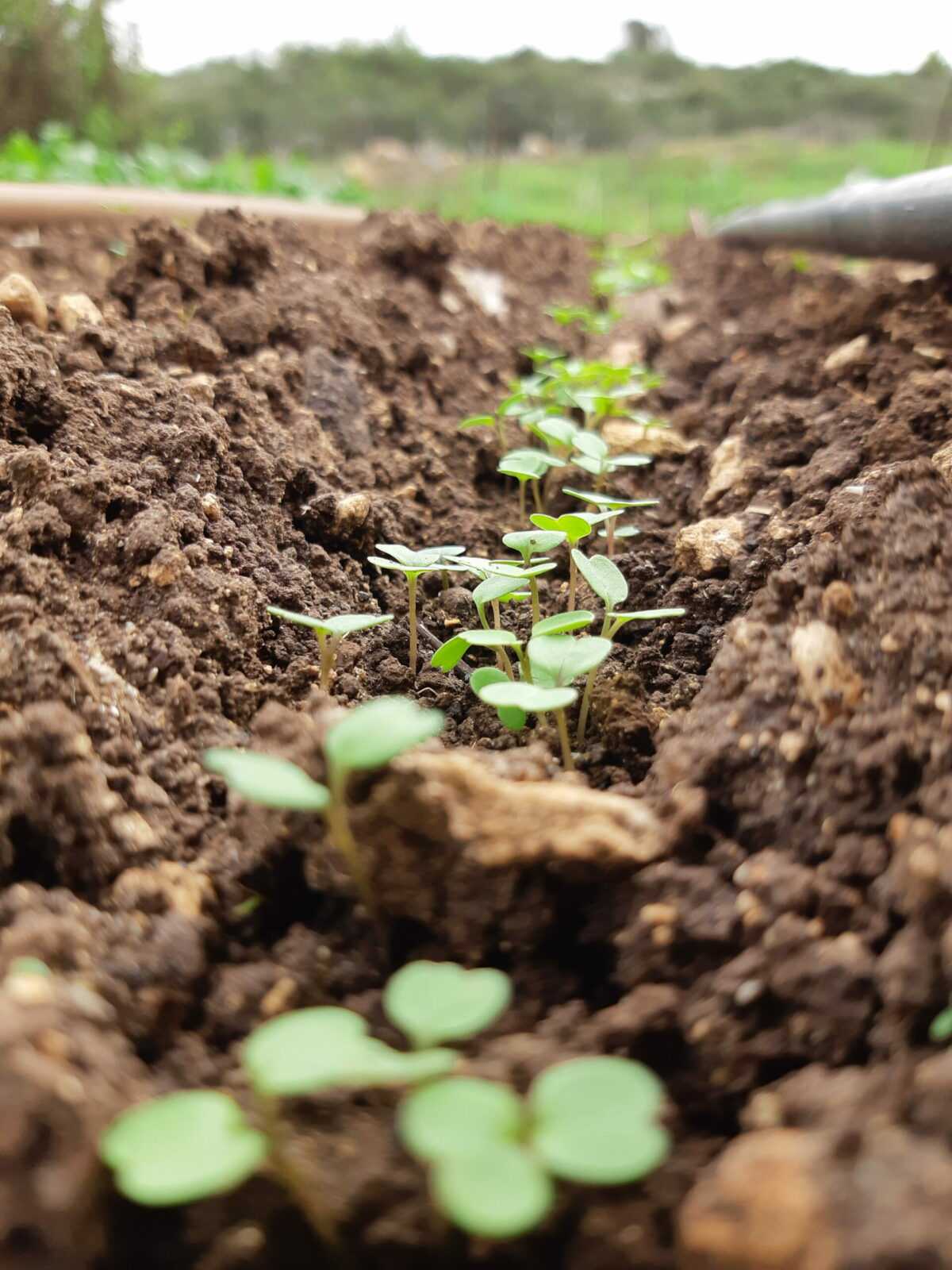
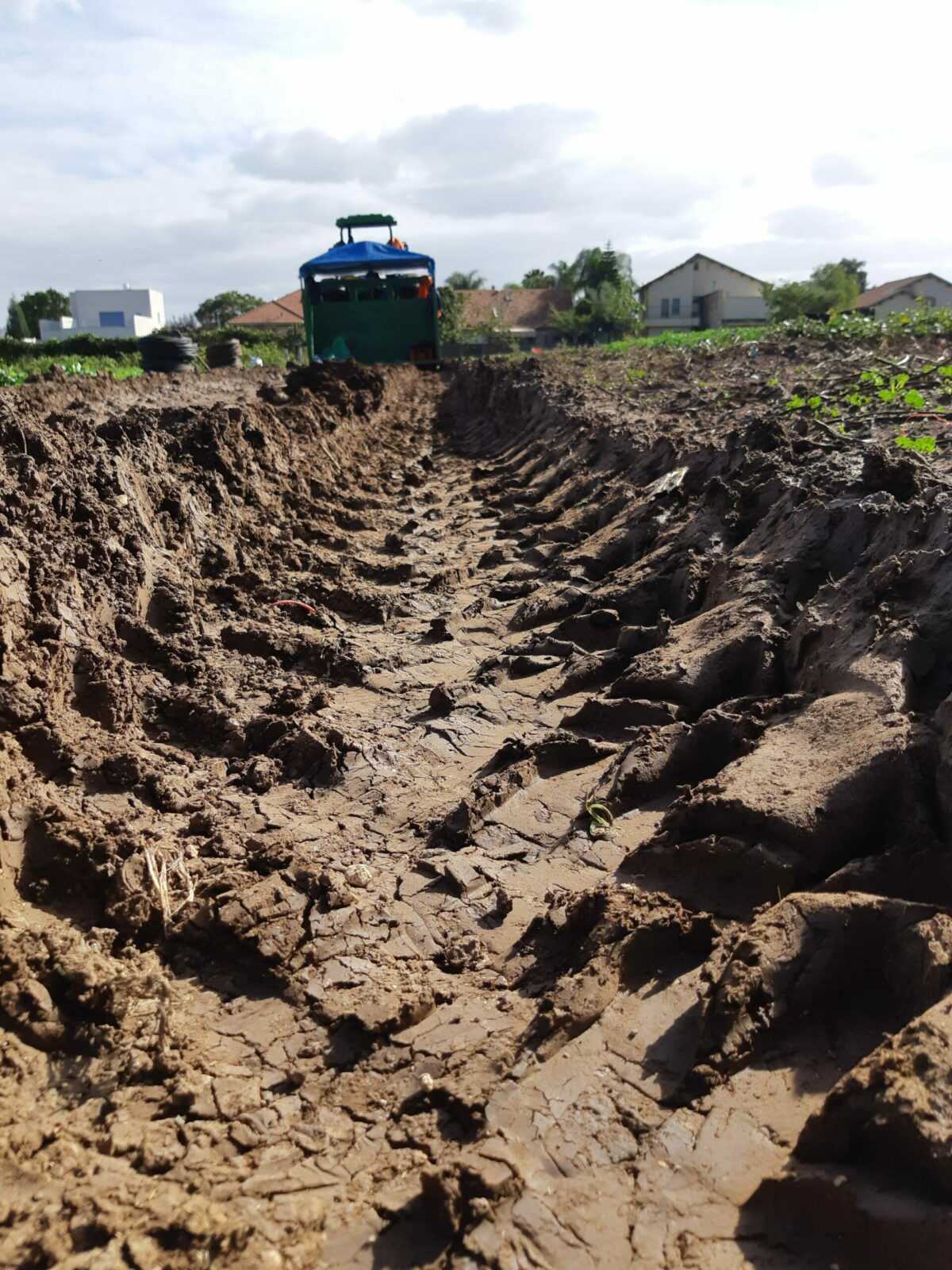
YESH!!! Last Friday and Saturday, our first “real” rain made its debut!
These weren’t mere sprinkles…This was real, authentic rainfall—drenching the earth, leaving behind mud and a longing for more. In honor of winter’s Rain #1, we dedicate this Chubeza Newsletter to rain and to “the smell after the rain.”
Even with today’s asphalt-paved life in the fast lane, we still somehow maintain a basic longing for rain and the life-giving wetness it brings. When I searched for answers to the question “What is that smell after the rain?” I found scientific explanations (to follow). Yet they don’t conjure the palpable craving for that smell, the memories it evokes of childhood and home, of a time and place where we started to grow, sent out roots – a specific starting point. Perhaps that’s why the smell after the rain stirs a feeling of renewal and a fresh, clean start.
The smell of rain is wisely produced and created for us (and for other living creatures, as you’ll soon see) by nature’s main players: plants, microbes, and rocks. In nature, this scent has two main components: geosmin and petrichor.
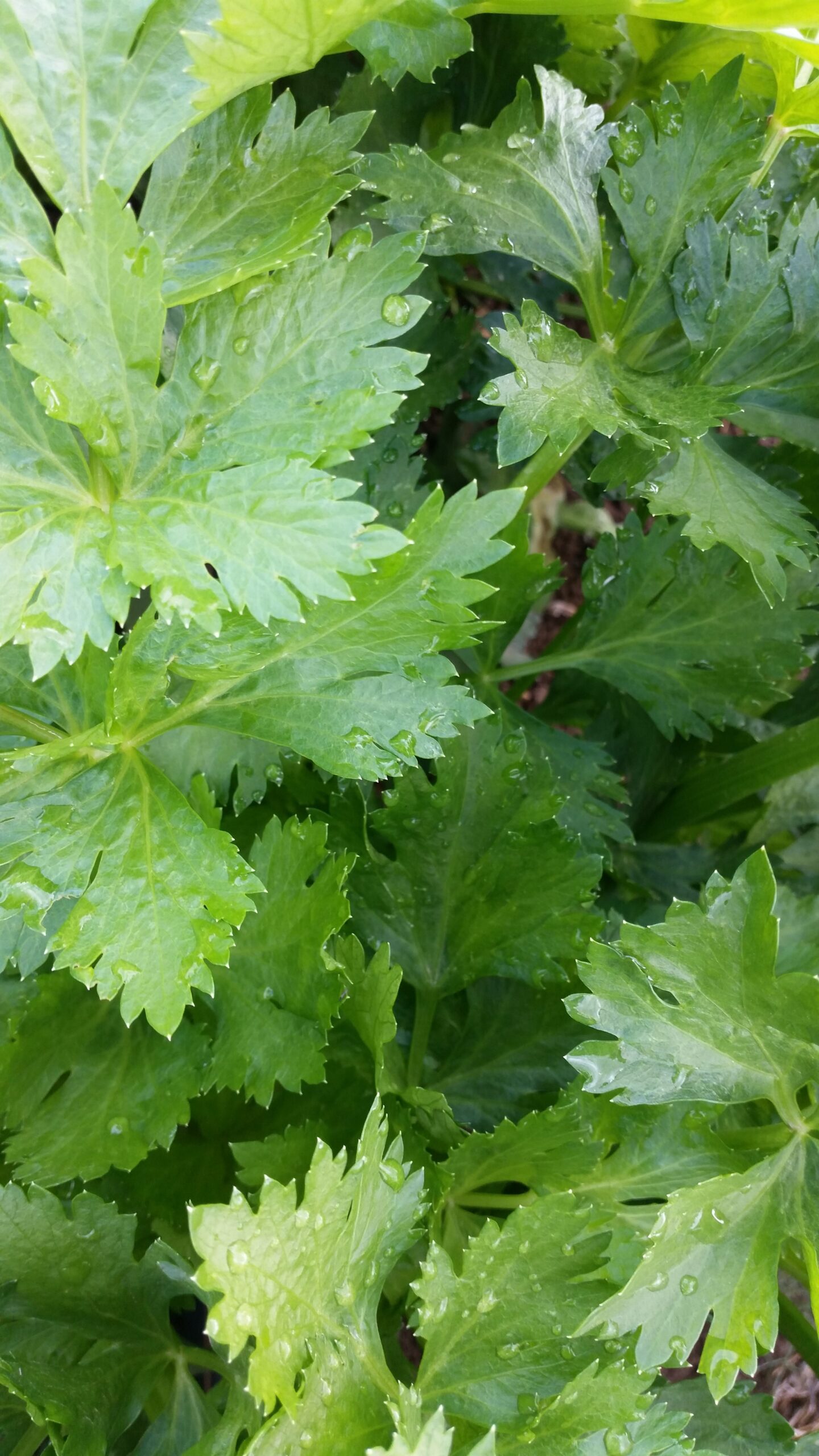
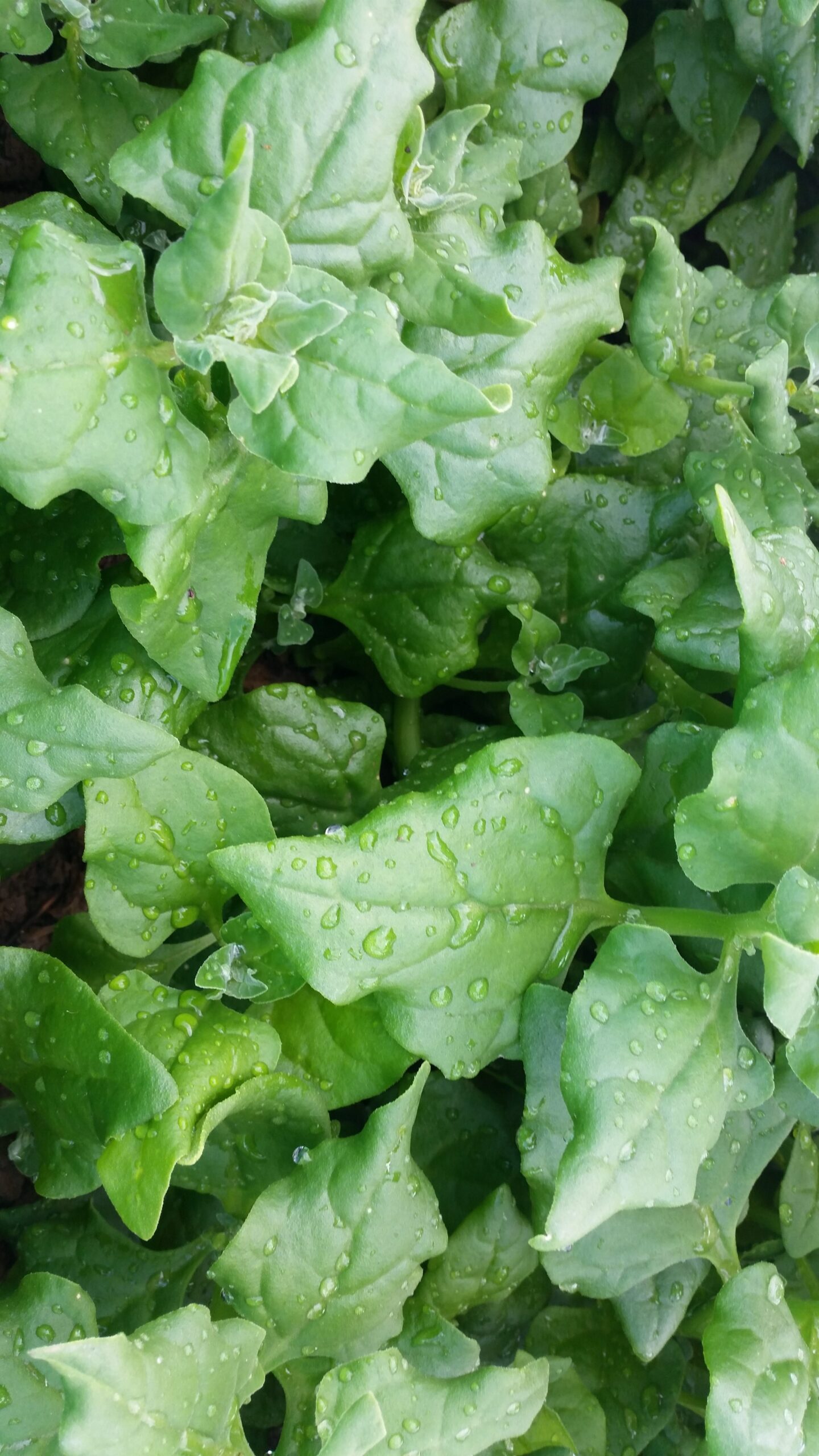
Geosmin (literally “earth smell”) is an organic compound produced by various microorganisms: in water, algae, in soil bacteria. Under hot, dry conditions, these bacteria die in the earth, releasing geosmin-laden spores that can remain dormant for many years of very dry, hot seasons. Once they meet rain and humidity, the geosmin scent intensifies. The spores disperse into the air through the raindrops and emit the “rain-like” scent—essentially, the smell of earth. Our love for this scent actually benefits the bacteria, which needs us to come close and interact with their spores to spread them. And indeed, the human nose is extremely sensitive to geosmin and can detect it even in minute concentrations.
One of the animals most sensitive to the smell of geosmin is the camel. That comes as no great surprise, given its acute need to detect even the slightest trace of the scent of water and moisture. Camels can smell water from an incredible distance (up to 80 km!) thanks to their heightened sensitivity to the geosmin scent. In camel terms, this is a matter of life and death. Also, many soil dwellers - dust mites, earthworms and other burrowers - are also attracted to the scent of geosmin and help the bacteria in their mission to spread.
The bacteria group responsible, actinomycetes (specifically streptomyces), is crucial for producing natural antibiotics, anti-inflammatory and antifungal compounds. So perhaps our attraction to this scent isn’t just nostalgia for a time in life when there was a wet plot of soil nearby, but also a key biological pull towards substances that protect us – especially throughout the cold, rainy winter.
But this scent is not always desirable. Water purification plants aim to remove it from the groundwater that makes its way to your taps. Winemakers battle it to prevent an eau d’mildew in their vino, and even pharmaceutical companies demur from marketing earthy-tasting medicines. A groundbreaking study on the composition and formation of geosmin aspires to solve that problem. In Chubeza’s boxes, you will savor the geosmin in our beets, the secret ingredient to their delectable earthy taste.

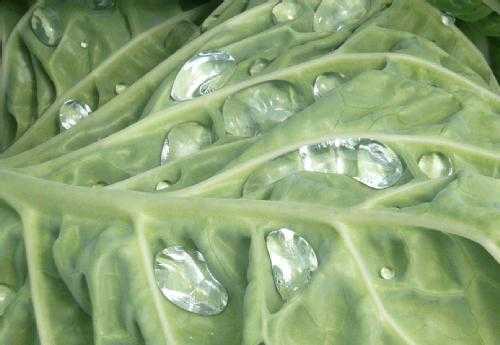
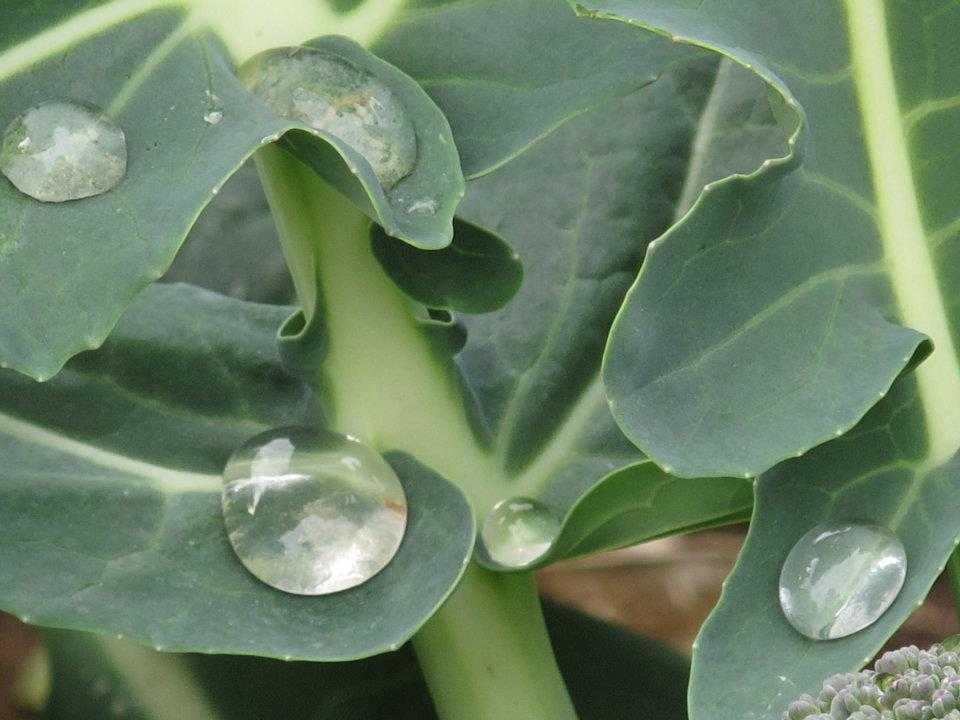
The second ingredient in the scent is called petrichor. Its name also has a dramatic translation, something like: "divine rock blood" (petri – rock, ichor – the liquid that flowed through the veins of the gods in Greek mythology). This impressive term, which today means “the pleasant smell that accompanies rain after a dry period,” was coined by two Australian researchers, I.J. Bear and R.G. Thomas, in a paper published in the 1960s. Certain plants secrete oils into the atmosphere, and these oils accumulate on clay soils, stones, and rocks. During dry periods, a larger amount of them accumulates on the soil and rock surfaces, and when humidity rises and it rains, they are released into the air and spread their scent around.
Bear and Thomas really hoped that petrichor would explain the phenomenon of rapid growth and blooming noted in desert areas after brief rains. They tried to show that something in this oil compound stimulated growth. To their surprise, they discovered exactly the opposite: petrichor inhibits and delays germination and growth. They believe this to be a means for the seeds to protect themselves from sprouting after a short rain that’s followed by renewed drought. A seed that germinates without continued water is doomed, while a dormant seed still carries the potential to wait for real rain. A strong, serious rain will wash away the oils and allow germination to promptly proceed.
In recent decades, we are discovering the possible destructive impact of rain, and I don’t mean natural disasters like tsunamis or floods. Rain, after all, encounters what is in the environment, and the moisture intensifies these scents, causing its own reactions. If the pervading air carries unpleasant smells, they will be amplified by the rain’s moisture. Fuel fumes, garbage, dust, sewage and more all return with a vengeance in the rain. Pollution, as well, is collected in the tiny raindrops, morphing into dangerous acids which pervade disastrous irrigation that pollutes plants, lakes and the animals that live within. By adding more trees, particularly in noxious-smelling concrete-paved cities, and decreasing the contaminates that we release into the atmosphere, the scales will be tipped in favor of the petrichor scent that stirs within us a longing for hearth and home. It’s certainly worth it, don’t you think?
Over this sunny, dry week, we look forward to making great progress in Chubeza’s satisfied, rain-soaked fields.
Wishing you all expanded hearts, quenched thirst, and the sheer, simple joy of rain—while remembering that three hostages still need to come home.
Alon, Bat-Ami, Dror, Einat, and the entire Chubeza team