The Weekly Newsletter of Chubeza Farm
THANK YOU!!
Winter Trees
All the complicated details
of the attiring and
the disattiring are completed!
A liquid moon
moves gently among
the long branches.
Thus having prepared their buds
against a sure winter
the wise trees
stand sleeping in the cold.
-
William Carlos Williams
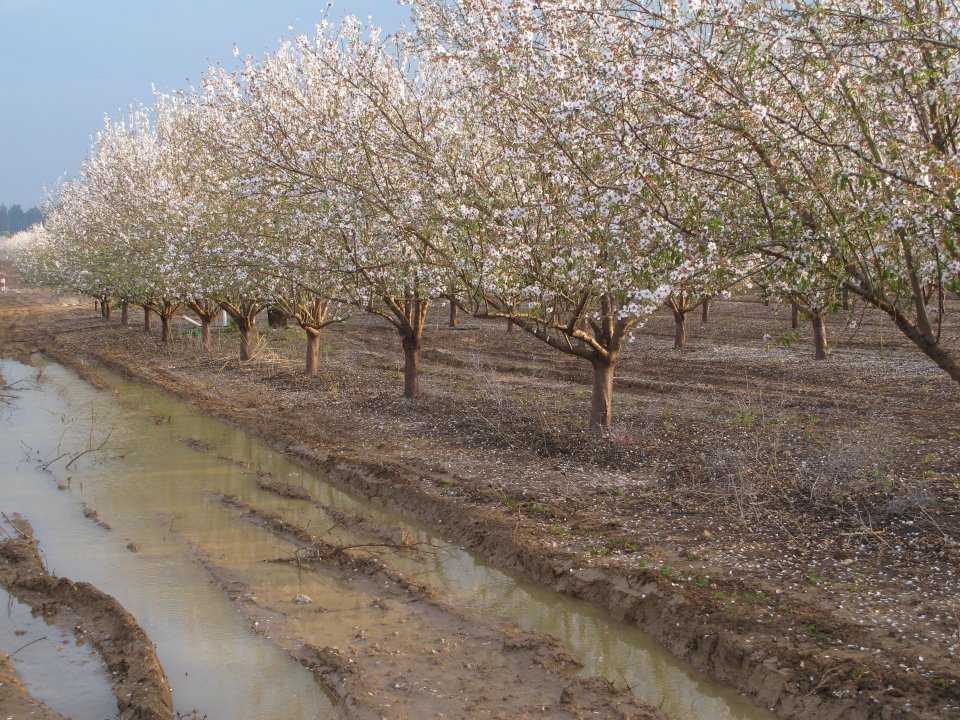
Tu B’Shvat, the “New Year of the Trees,” began its path in the Mishnaic era as a rather bureaucratic date, marking the start of the taxation year (for tithes and offerings) on the fruits of trees. Since each year a farmer gave a tithe from his harvest, it was necessary to set the exact starting date of the tax year. Ultimately, the fifteenth of Shvat was the big winner. Observing nature, Mishnaic sages saw that by the month of Shvat, most of the season’s rains had already fallen. From then on, with the daylight hours lengthening and the approach of spring, the trees began to form fruit — the first stage in which fertilized flowers turn into fruit.
Aside from this halachic calculation, the early Tu B’Shvat had no special “festive” status, but simply resembled other New Years – Rosh Chodesh Nissan or Elul – mentioned alongside it in the same Mishnah.
But technical laws and regulations do not dull the simple human feeling that something awakens during this time of year, and that the tiny blossoms and early fruit buds on the trees are a reason for celebration, joy, and praise. Fragments of liturgy found in the Cairo Geniza, dating to the Geonic period (6th–10th century), include special prayers for Tu B’Shvat expressing wishes for a bountiful fruit-bearing year for the trees. Apparently, Tu B’Shvat was indeed a special day and festive occasion.
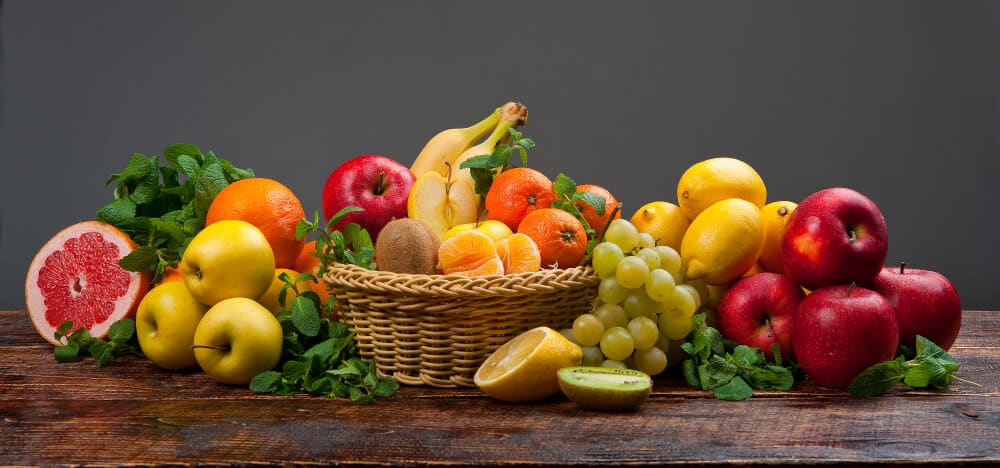
Over the years, the distinctive atmosphere of Tu B’Shvat faded somewhat, yet certain festive traces stubbornly persisted via folk customs that perhaps grew stronger from a distance. Thus, Ashkenazi communities retained the custom to refrain from reciting Tachanun or fast on Tu B’Shvat (as on other festive days). Testimonies from the 16th century describe a custom in Safed to eat fruits (fresh, not dried, fruits!!) on Tu B’Shvat to celebrate the New Year of the Trees, though these were likely minor, scattered customs rather than a full-fledged holiday.
The person who revived Tu B’Shvat and transformed it into a true holiday was one of the 17th‑century kabbalists of Safed. This anonymous author of Chemdat Yamim established a ritual Tu B’Shvat seder meal in which 30 fruits of the Land of Israel are eaten, as texts are recited and studied during the feast. This seder was printed in a special book called Pri Etz Hadar, which spread to reach Jewish communities in Italy, Turkey, the Balkans, and throughout the Middle East from Bukhara to Morocco. At the heart of the holiday was a beautifully decorated, festive meal to which relatives and neighbors were invited, from honored guests to poor Torah scholars, abounding with light and singing. In various communities, special songs and liturgical poems were composed by local liturgists, highlighting the fruits of the Land of Israel, specifically the Seven Species with which the land was blessed.
These festive meals connected Jewish communities in the Diaspora to the natural rhythms in the Mideastern Land of Israel, while simultaneously deepening their longing for it.
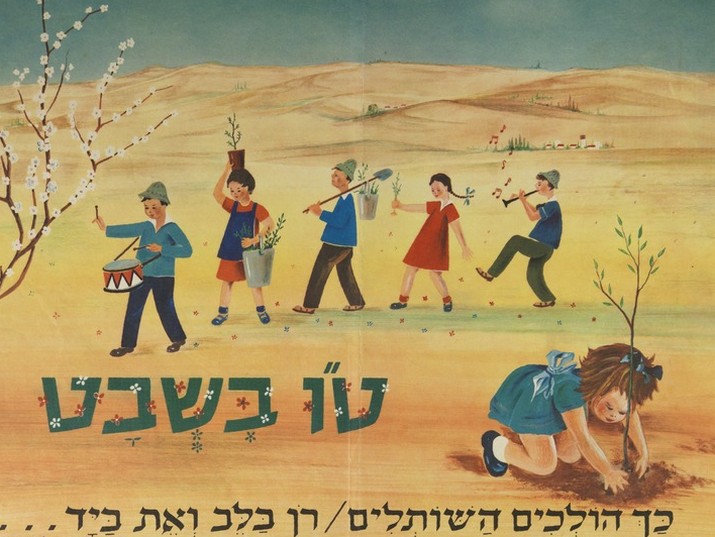
In the 1880’s, with the renewal of the Jewish settlement in the Land of Israel, the need and desire arose to find new meaning for this day – one aligned with pioneering Zionist values of action, manual labor, and establishing a foothold in the land via agriculture. Perhaps it proclaimed: now that we’re here, it’s not enough to eat the fruits of the land left to us by previous generations (and grown for us by Arab fellahin…). It’s high time to plant new fruit trees as well. On Tu B’Shvat 1890 (5650), teacher and writer Ze’ev Yavetz led his students from the school in Zichron Ya’akov on a festive tree-planting outing, thus establishing the new character of Tu B’Shvat: a holiday of planting, not merely the New Year of the Trees. In 1908, the Teachers’ Union formally proclaimed Tu B’Shvat “The Holiday of Tree Planting.” Later, the Jewish National Fund (Keren Kayemet) officially adopted this date and designation as well.
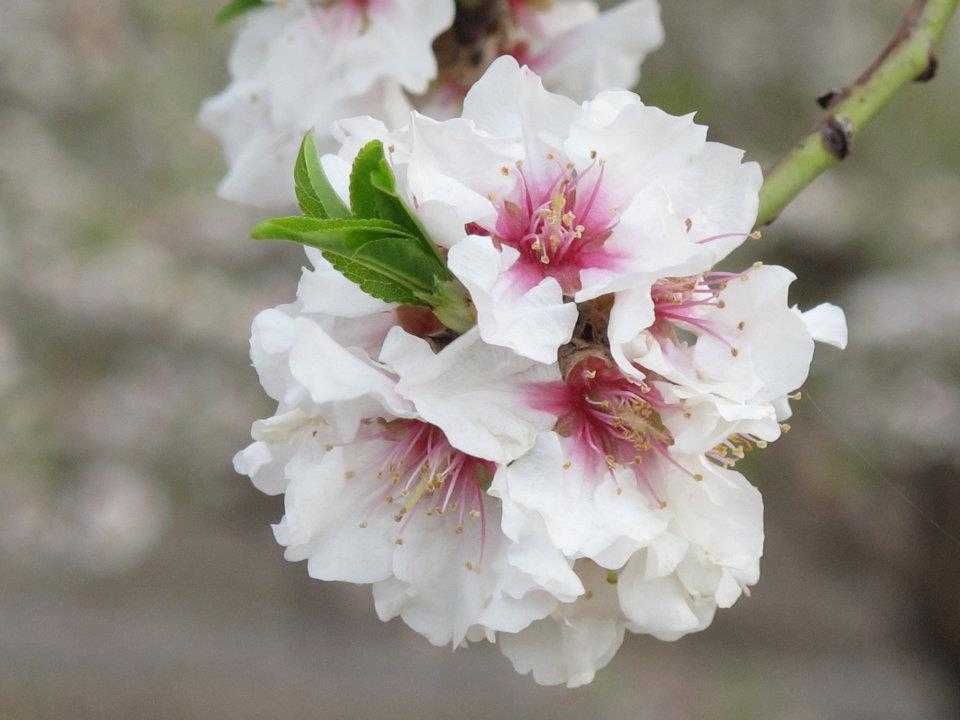
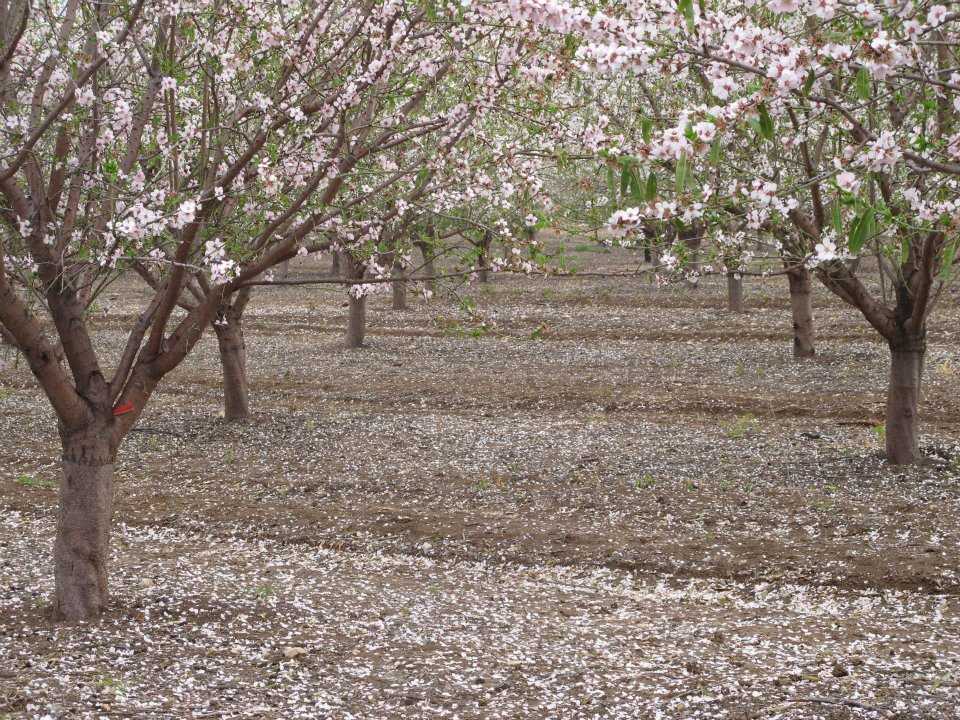
During the current season, as cold winter transitions to the first stirrings of renewed growth, nature undergoes a powerful transformation. The grasses don dazzling green, the first trees begin to bud and bloom, various birds set about to nesting and breeding, and delicate winter wildflowers bloom bravely in the cold. Going out into nature to view these changes has become the new content of the holiday. Tu B’Shvat gained yet another layer of respect for nature following the successful 1970’s campaign to save Israel’s wildflowers, teaching Israelis not to harm, pick or uproot them.
The month of Shvat is truly a time of exciting renewal – and not only because the rains have stopped, but because they actually continue to fall during Shvat, bringing forth new shoots, blossoms, and fruit buds. This is also the birthing season in goat and sheep herds. Now of all times, when it’s still so cold outside, lambs and kids (goats) are being born, because the world around them is full of green food to eat. One look at Chubeza’s vegetable beds shows this explosion of green (along with the need to constantly weed…), highlighted by a bevy of edible wild plants that need only a little rain to quickly sprout and grow.
Over the past few years, perhaps because we are becoming increasingly disconnected from nature – the green being sealed under concrete, with only a few shoots breaking through in abandoned lots or between pavement cracks – Tu B’Shvat has become an environmental holiday in the broad sense, and especially a recycling holiday, accentuating education about damage control to the environment. Not that this isn’t good–it’s creative and interesting and beneficial. But I feel a little ache in my heart at this distancing from my childhood memories of walking in my boots and coat to the planting site, digging my fingers into the freezing earth, peeling the sapling from its black plastic sleeve, and placing it gently into the hole my father dug with a large hoe. True, it is important to continue to care for this tree, to continue protecting and nurturing it. But in a recycling workshop for Tu B’Shvat, once loses the sensory experience of going outside, smelling the scents in the air, and touching the soil.
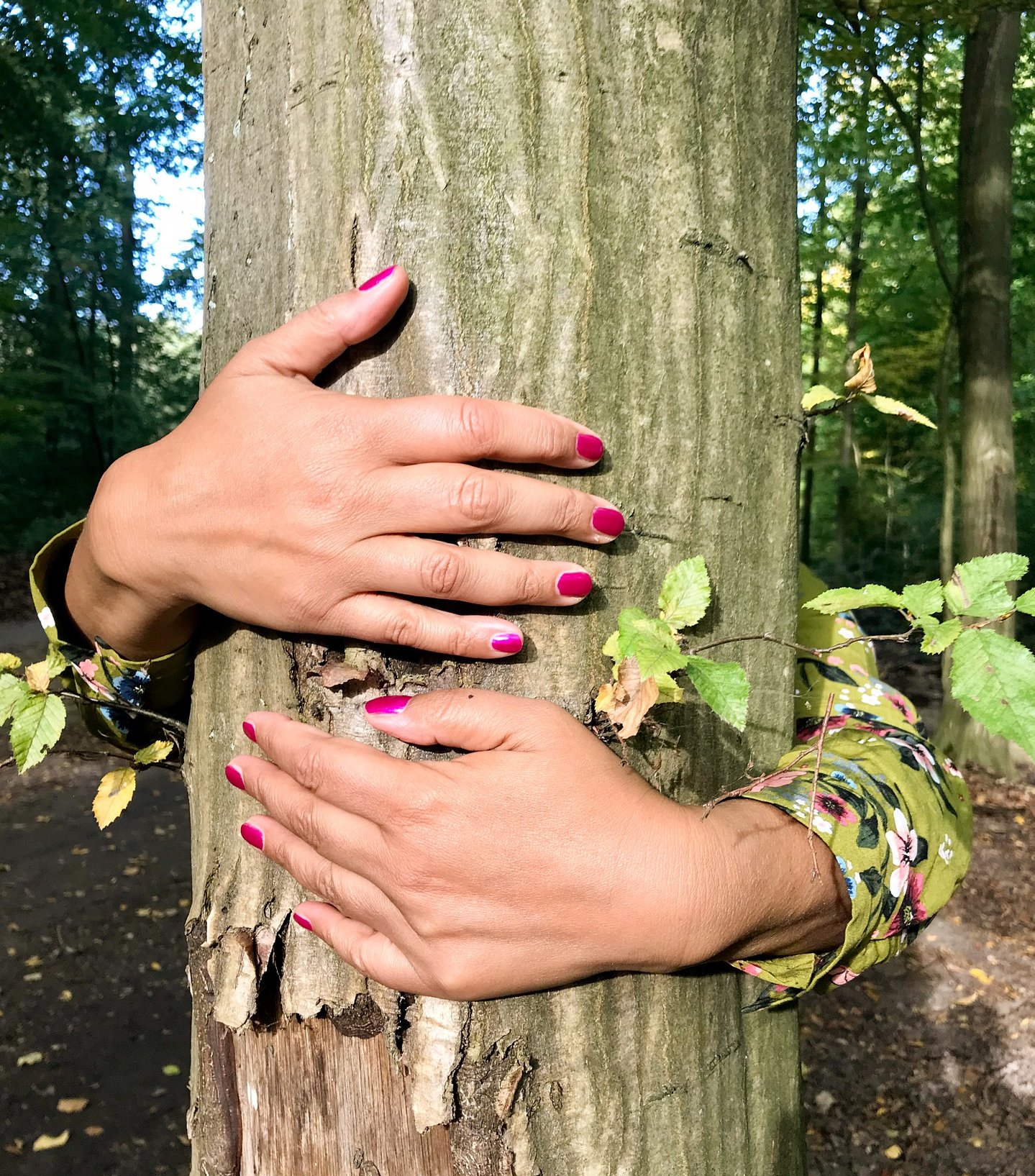
So, even if you won’t actually be planting trees this year, I invite you not only to create recycled crafts in the comfort of your warm house, but to really go out to nature. Join wild-edible foraging walks or mushroom foraging. Or simply take a nice invigorating stroll in the crisp air amidst all the greenery and blossoms. And for one minute, don’t just look, but actually touch: sink your hands into the moist, fragrant soil, lie on a green carpet of nature and feel the soft leaves with your whole body, look up at the sky and see shapes in the clouds, hug a tree (seriously!). I truly recommend going out for a walk, even close to home, finding a tree that needs a hug and simply spreading your arms around it, feeling the roughness of the trunk, its stability (and perhaps its swaying in the breeze), looking up at the treetop (Is it bare? Or green and swaying gently?) and simply surrender to this hug-connection.
The Israel Nature and Parks Authority has prepared humorous guidelines
May we all find time this week to go out into the vibrant green, blossoming flower-dotted nature that surrounds us. May we know how to enjoy the renewal, change, and dynamism of this season — and also to extend our roots and simply to “be.”
Happy Tu B’Shvat to all!
Alon, Bat‑Ami, Dror, Einat, and the entire Chubeza team