The Weekly Newsletter of Chubeza Farm
THANK YOU!!
Each soul must awaken to know:
Deep within, a candle glows.
No flame is ever quite the same,
Yet no one is born without its flame.
And each must know and understand, that he must strive to reveal this light to all
And kindle its sparks into a blazing torch
And illuminate the world
Completely.
Rabbi Avraham Yitzchak Hacohen Kook
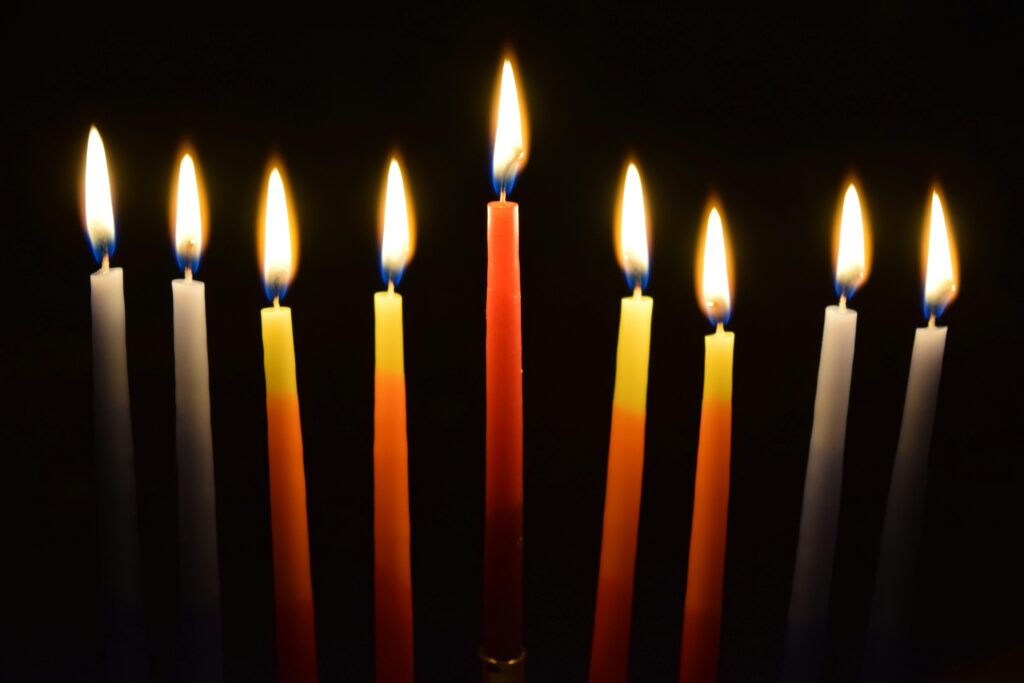
Chanukah, the Hebrew festival of light and fire, our winter holiday, parallels similar holidays in other cultures. Somehow, each year as winter arrived and darkness prevailed, humans feared the shortening of daylight hours. They’ve felt compelled to light a thin candle as a reminder that despite the gnawing gloom, the days of light will surely come. In the Hebrew calendar, this holiday also connects to the ancient Festival of Oil (apparently pushed aside after the Hasmonean victory), marking the end of the olive harvest season and celebrating the new olive oil which lights the candles and brightens the winter nights ahead. Simply, quietly, gradually, one by one, the calm, slender flames of the Chanukkah candles intensify. Where there is even one thin candle, the darkness is no longer absolute.
For me, Chanukah is a holiday that reminds us how so little goodness can be needed to illuminate hardship and evil, to soften them a bit, to find a kind word, a gentle corner. Like a small, thin candle that lights to make the darkness less dark, less frightening, or less threatening. Chanukah is a festival that celebrates the triumph of being contented with the minimum—teaching us that sometimes so little is needed to bring forth great light: just a small jug, a few good intentions, and the willingness to believe and give. Just a bit of goodwill and love to dispel loneliness, or to laugh a hearty laugh. And, as they say, there is an infinite difference between having one friend and having no friends at all.
I know Chanukah has long since become, like other holidays and even ordinary days, a jubilee celebration of shopping and gifts. To the delight of shopping chains, many Jewish parents strive to keep up with those celebrating a colorful, bright Christmas bounding with gifts, and feel compelled to give their children many gifts as well. Chanukah thus morphs into a display of fireworks, presents, and noisy, glittering spectacles (“attractziot”) that must be even bigger and more explosive than the year before…
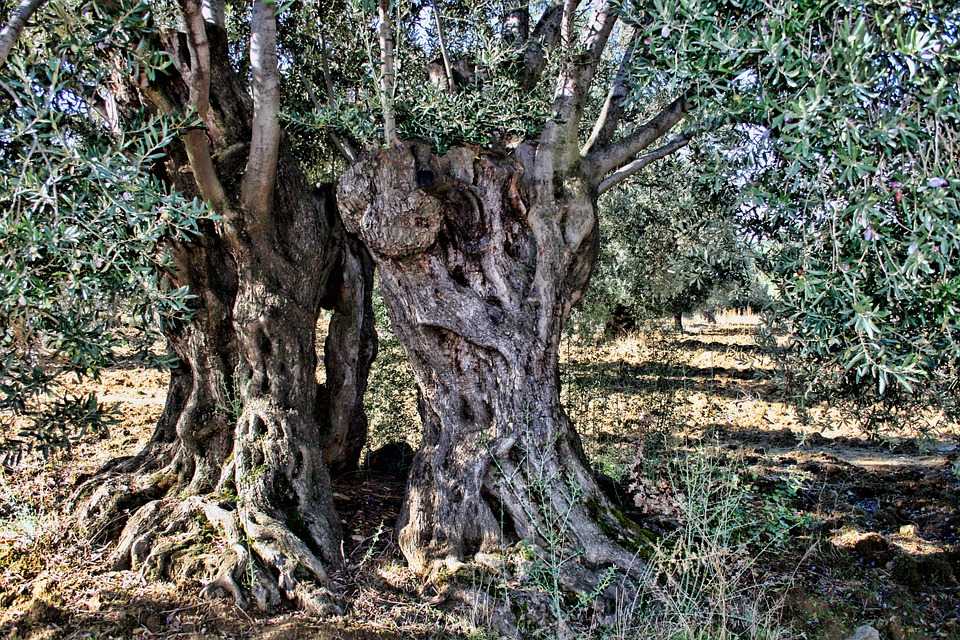
To me, this is so opposed to the original intent of these days which mark the end of the olive harvest season, when the fruits of the tree—an embodiment of sustainability—are gathered at the olive press. The olive tree may be the most modest and self-sufficient of all trees, yet also one of the strongest and most enduring. A tree that needs almost nothing, maintaining its quality through long years—drought, rain, heat, cold. So many things may afflict it, yet the resilient, silent olive tree continues to survive, grow, and produce olives to light our lamps, eat for good health, soften our skin, and heal wounds and diseases.
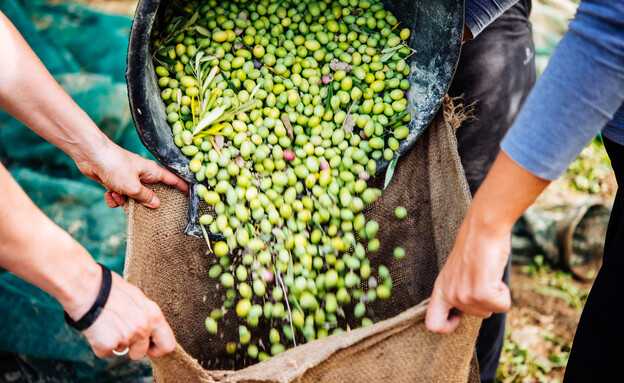
And it is so beautiful, because the olive harvest is the last in the chain of harvest seasons. By now, we have reaped, gathered, picked, pruned and collected all the bounty of our fields into the storehouses and the wine press: wheat, grapes, figs, dates, pomegranates, and more. We’ve glowed with pride over our successes or worried over our failures. And at the finale of this drama, voila – the olive harvest season debuts. There wasn’t much for us farmers to do here, except to fervently hope for a sufficient measure of cold weather and rainfall, and a nice strong “first (and second) rain” to wash the olives.
Then we humbly, silently pick these hard fruits, which burst with juice when we press them hard between our fingers. But this is not the finger-licking-good kind of juice, like grape, fig, pomegranate, or date juice. This is a strange, bitter liquid which will fortify our bodies for the long term, far more than the sugar of sweet fruits. This oil is what will illuminate those long winter nights now upon us. Humbly, simply, the olive tree needs no sweet festivals. This is a time of winter and introspection, in the calming silence and hope that a thin, flickering, glowing candle flame brings us in the dark of night.
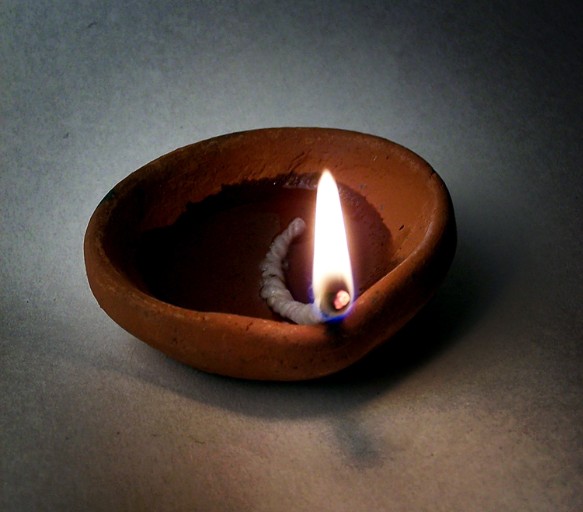
It is truly amazing to see the golden oil burst forth from such hard, unattractive fruits. But in truth, they don't start out golden at all: From a rather repulsive mash emerges a dirty, rather disgusting liquid. Only after it stands at rest for some time in the dark does the oil separate from the dirty water and float above it, clean and bright. I find this whole process wondrous and symbolic. It teaches us a lot about what can seem hopeless or doomed, bitter, ugly, flawed, or unsuccessful. And how much can be gained when we still try, sometimes with effort and persistence, to give it a chance, believing and allowing time and space for things to work themselves out – sometimes even without our benevolent interference. And then there’s all the health, goodness and light to be found at the end of the process…
May we all know how to light a small, fervent candle for ourselves,
for those who love us,
and also to shine for those who seem to us hateful or hostile, threatening, or alien. Perhaps we will see a light flickering toward us from the other side as well, trying to illuminate us and find in us a smile and healing.
May the Chanukah festival be a holiday of family and friends, inspiring, radiant, and joyful for us all!
Alon, Bat-Ami, Dror, Einat, and the entire Chubeza team