The Weekly Newsletter of Chubeza Farm
THANK YOU!!
The beginning of the school year is an exciting time, but sometimes a little scary and difficult: a new place, unknown challenges, people you don’t yet know. This takes time, trust, and the understanding that you need lots of patience and hope for the “new” to become familiar and inviting.
The star of this week’s Newsletter is none other than that hard, shriveled corn that you’ll receive in your box, the popcorn that proves that if you give even the hardest, most shriveled beginning a little warmth, patience and trust, it will bounce, burst open, reveal its very own inner softness, and bring joy and delight.
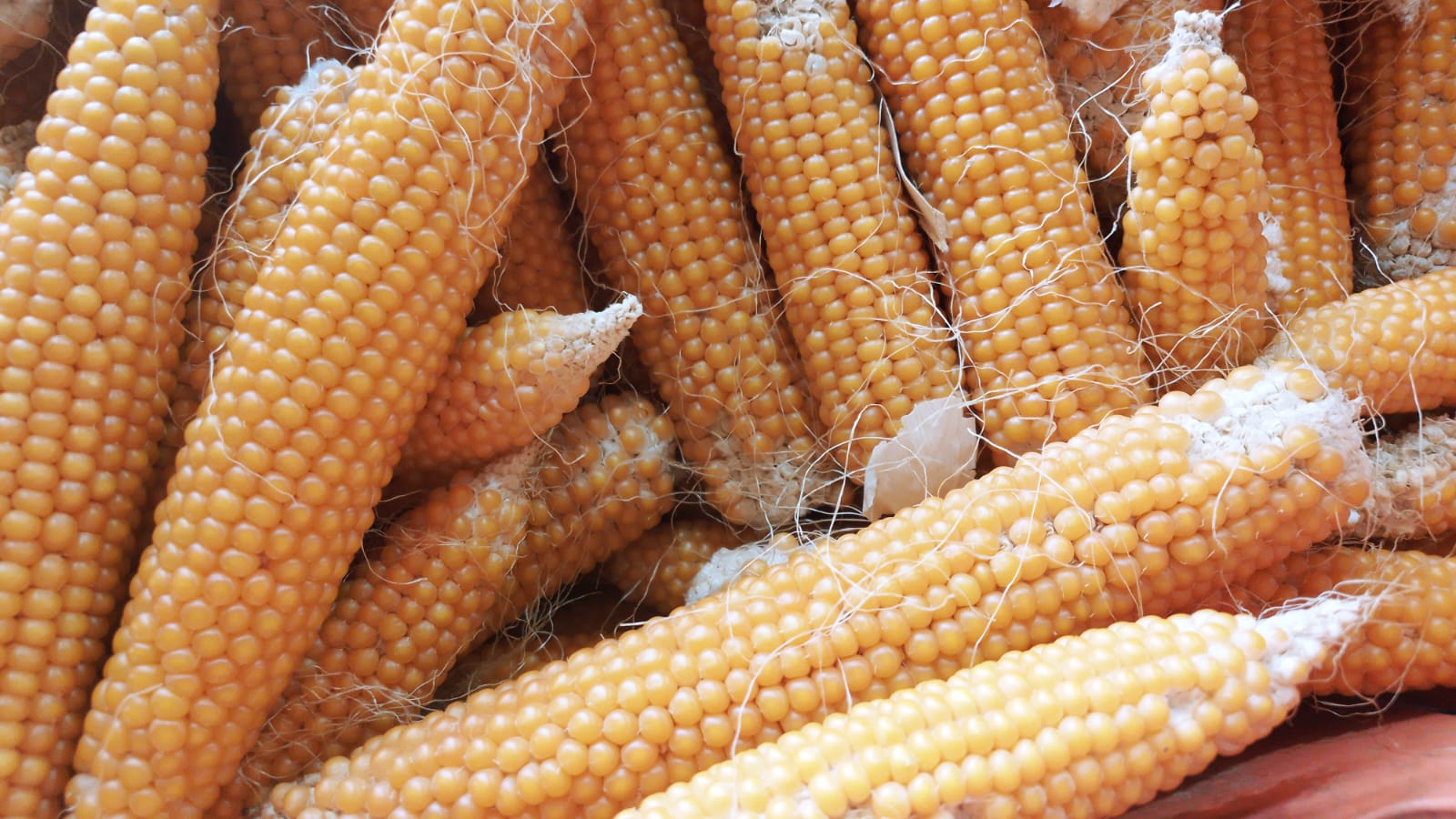
As each year, the end of the summer brings the long-awaited Popcorn Season, when your boxes bring smaller, harder corncobs than usual. Please don’t try to cook them in water, and don’t toss them out figuring Chubeza’s corn crop went bad this week. These are actually very successful corncobs that gladden the hearts of young and old with phenomenal, delectable treats. Hurray for popcorn!
To celebrate this joyous corn creation, we are proud to present our traditional annual Popcorn Newsletter. Settle back in your seats and enjoy the show!

Back around 3500 BC in a cave in North America (somewhere west central in today’s New Mexico), the guys were hanging out together, glued to the TV of the era, the blazing bonfire. As the flames danced and brought joy to their hearts, they had to nosh on something. But for reasons shrouded in mystery, they somehow did not polish off everything from their plates. Remains of that late-night-nosh were discovered over 5000 years later by archaeologists in 1948, in what became known as world’s oldest popcorn. (It still looked quite crunchy and yummy, but a tad too stale to nibble on.)
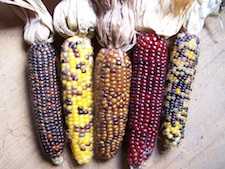
Popcorn is indeed a special variety of corn, small and extremely hard. At Chubeza, these cobs were planted in March along with the first round of sweet corn. Once the plants grew red-bearded cobs, we shut off the water and allowed the smaller cobs to dry on the stalk. Around last week we picked the dry, hard cobs and transferred them to our warehouse for further drying and hardening. How wonderful to nibble on a snack bearing a history of thousands of years of noshing!
Native Americans used popcorn long before they discovered the sweet corn we know and love today. They probably discovered popcorn by accident, as a stray kernel rolled near the fire and suddenly popped. This surely led to attempts to recreate the wonder, and later to make this ancient snack an institution.
In those olden days, they would roast the popcorn by heating the cobs directly over a fire or in a pit filled with sand heated to a very high temperature. The cobs were placed whole into the pit, and the kernels popped on the cob, wrapped in leaves and protected from the sand. Prehistoric cooks made special clay pots with legs to place atop the fire and roast this crackling snack.
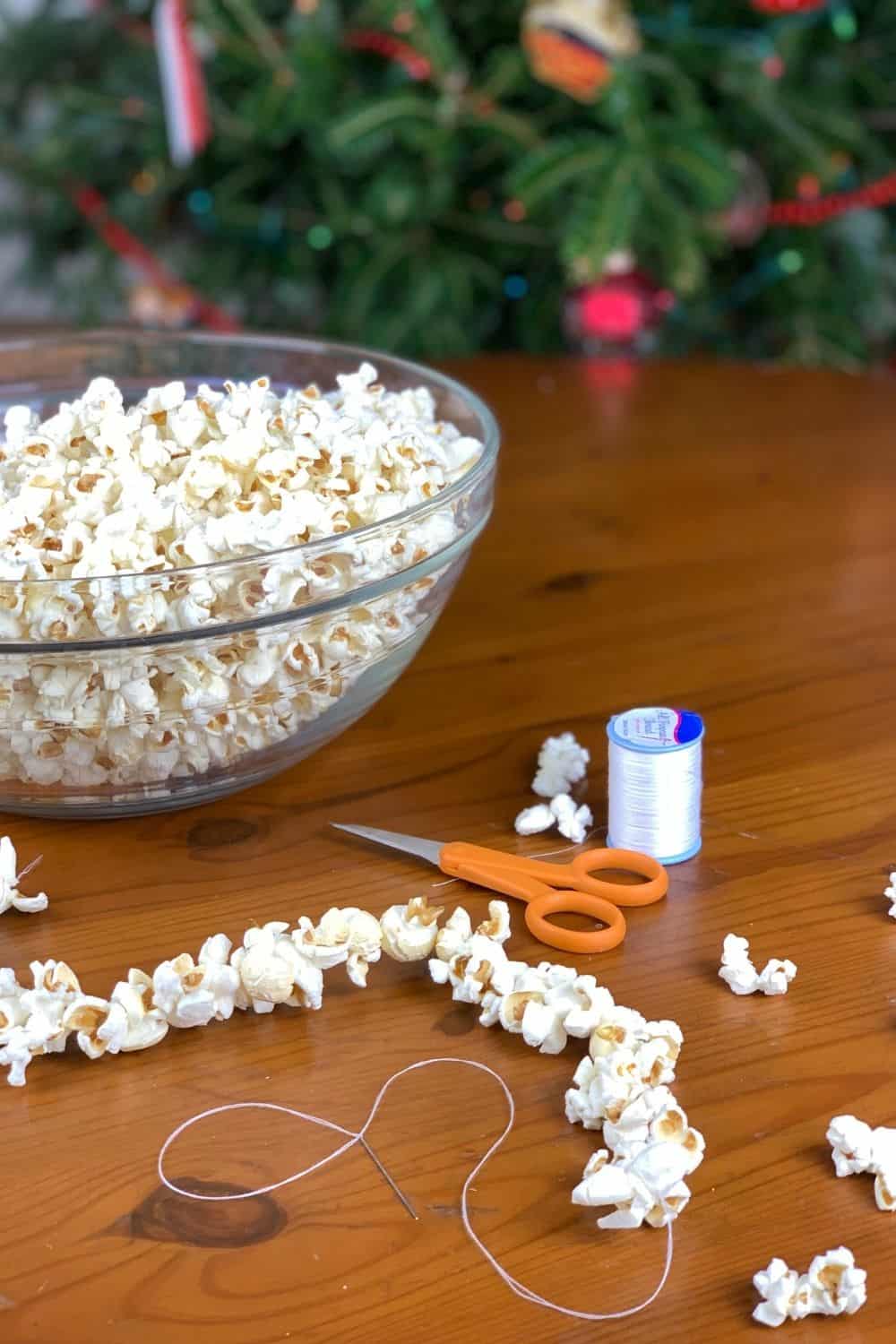
The early inhabitants of America used popcorn not only as nosh. They made soup and beer from it and used popcorn in ritual ceremonies to adorn the gods, and even as jewelry and headdress ornaments. Tlaloc, the Aztec God of Rain and Fertility, was adorned with popcorn-string necklaces, and the God of Water and Protector of Fishermen was offered “hailstones” made from popcorn. Early Europeans arriving ashore were welcomed with gifts of popcorn necklaces. To this day, some people decorate their Christmas trees with fresh, fragrant popcorn.
One modern, unconventional popcorn-based experiment—which ultimately failed—was to use popcorn as an eco-friendly, biodegradable substitute for Styrofoam packaging. You must admit that this is a great idea, except that the popcorn’s irresistible appeal attracted rodents and other pests to the party. Plus, popcorn totally lost its packing advantages when wet, and it was highly flammable. Alas….
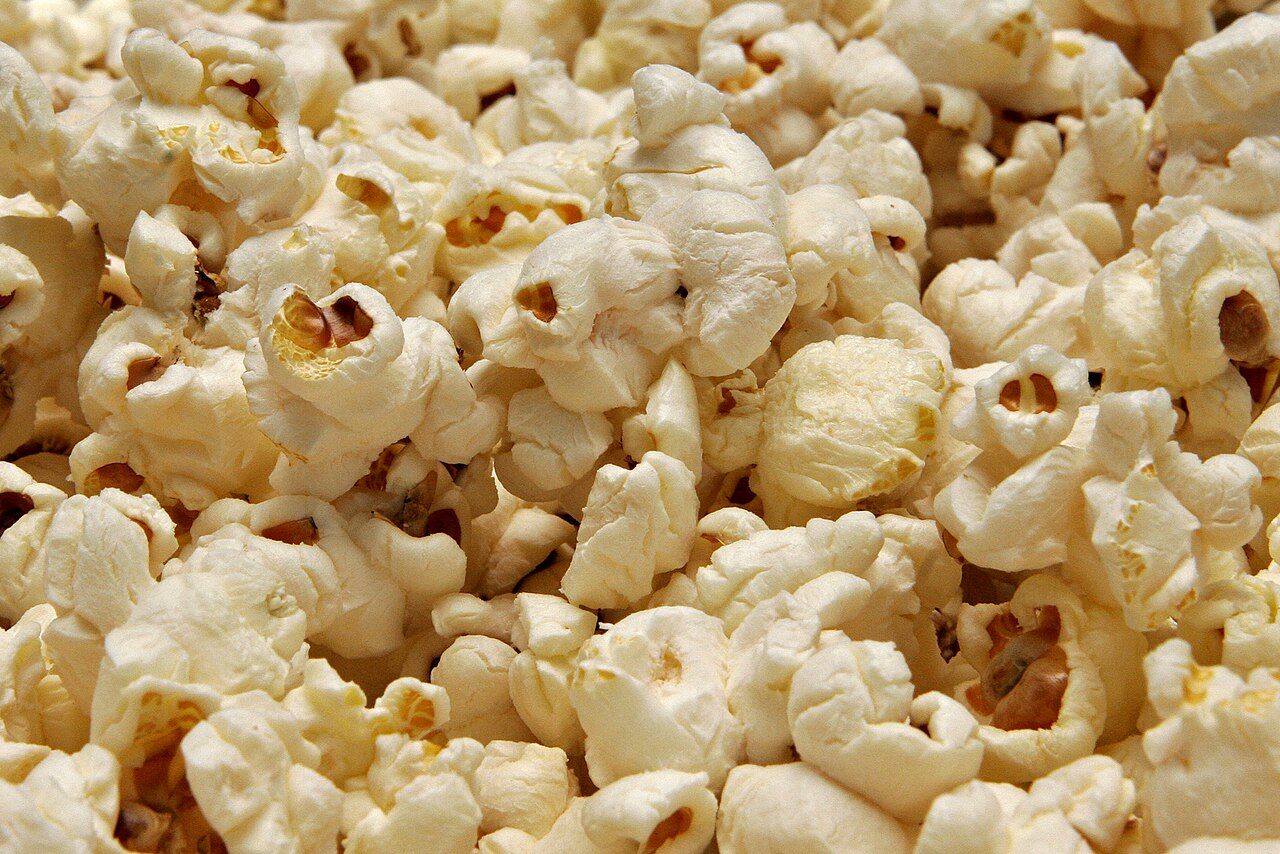
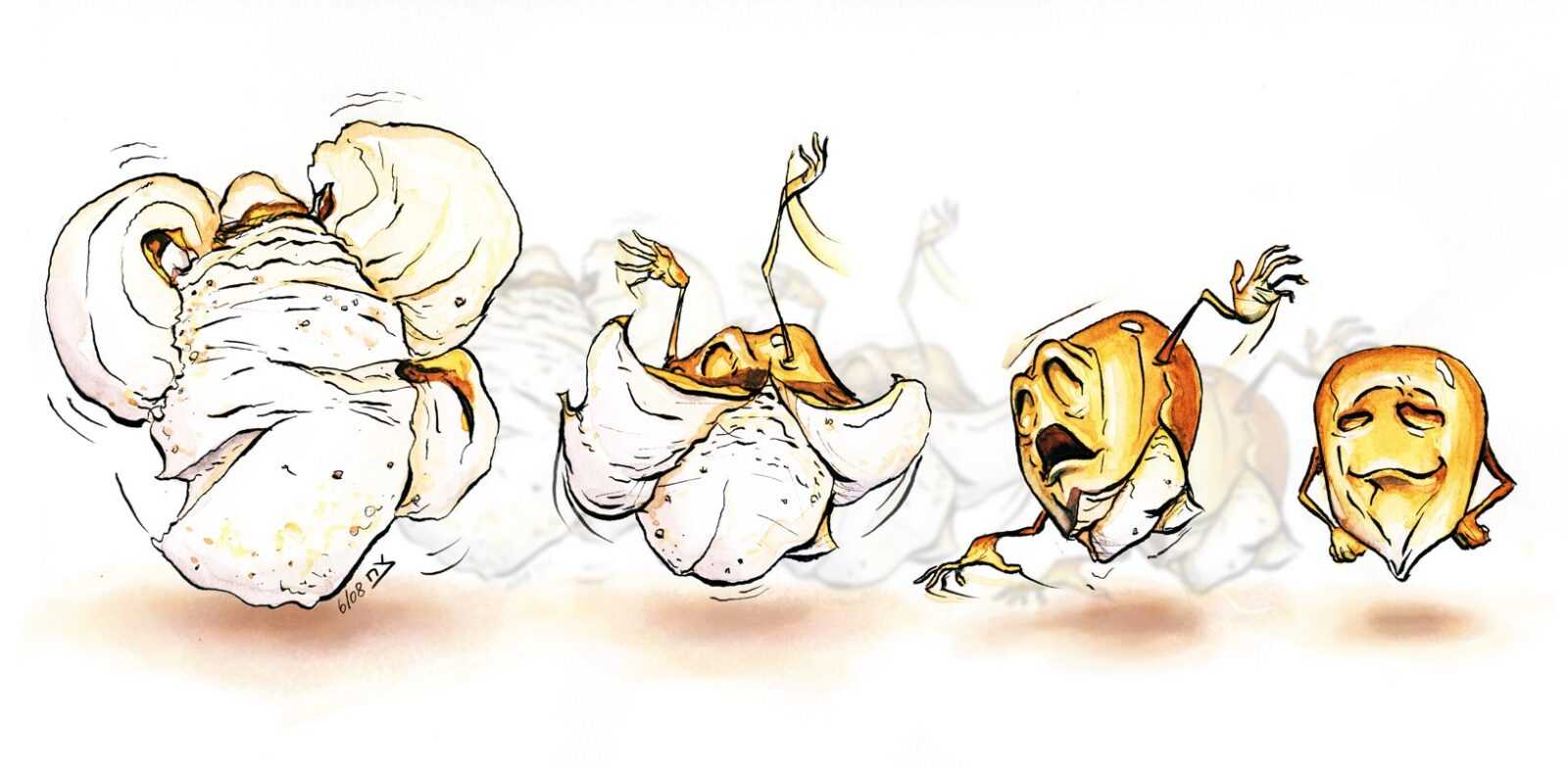
Popcorn, or by its scientific name Zea mays averta, is a subspecies of flint corn. Flint corn got its name from its rock-hard shell, which is essential for popping. Also required are a proper level of moisture and a high level of starch within the kernel. Thanks to its hard shell, when the kernel is heated, the moisture trapped inside turns to steam, building pressure. The starch inside the kernel coagulates and becomes soft and pliable. The pressure continues to mount until the shell bursts open, steam bursts forth, and the soft starch expands and dries rapidly. Voila! Here’s the dry, crunchy foam we call popcorn.
TIPS:
– For the foam to dry quickly, place the kernels in a pot in a thin layer. This creates crispy popcorn that doesn’t reabsorb the moisture from the pot.
– Note: Popped kernels expand exponentially beyond their original size. Two tablespoons (25 grams) of raw popcorn kernels yield 2½ cups of the popped product!
– In its natural form, popcorn is a great, healthy snack. Air-popped popcorn is naturally high in dietary fiber, low in calories and fat, and both sodium and sugar free. That’s assuming, of course, that it’s homemade and plain popcorn, minus butter, oil, salt or caramel that transform this handsome prince into a scary toad.
Storage: Popcorn kernels might look tough, but they’re actually sensitive fellas. If not properly stored, they may never pop. Refrigeration can dry out the kernels or add excess moisture that softens them. Best to store popcorn kernels in a cool, dark cupboard away from heat, moisture and light. Separate the kernels from the cob and store in sealed jar, ceramic container or tightly closed tin box.
Here’s a fast-paced demonstration of how to separate popcorn kernels from the cob, starring: Chubeza Popcorn as himself, AND the hands of Talia, a longtime friend of Chubeza.
To all Chubeza children starting first grade this week, and to the “big kids” moving up to middle or high school, we wish you and all new students great years of wonder and curiosity, friendship and play, and joy and delight!
We continue to grasp all hope and anxiously await the speedy end to the war and the safe return home of all hostages.
Alon, Bat-Ami, Dror, Einat and the entire Chubeza team