The Weekly Newsletter of Chubeza Farm
THANK YOU!!
Changes to delivery dates for Yom HaAtzmaut week:
- Monday delivery (20.4) will take place as usual.
- Wednesday’s boxes will be delivered on Tuesday, 21.4.
Please note! The ordering system will close for Tuesday changes on Monday at 9:00 AM.
Over the past few weeks, you’ve been receiving Chubeza’s “transition‑season boxes” as winter vegetables grow scarcer each day. Two weeks ago, we bade a final goodbye to kohlrabi, and this week we’ll say good-bye to fennel. Broccoli has also reached the very end of its season. Now it’s time to make way for the arrival of the spring–summer vegetables, albeit at a slower pace. First in line were fresh green garlic and zucchini. And now, we welcome one more harbinger of spring, the beautifully fragrant mint (nana). In Chubeza’s field, mint is a sure sign of spring and clear proof that the winter slumber has passed and spring is here in all her glory!
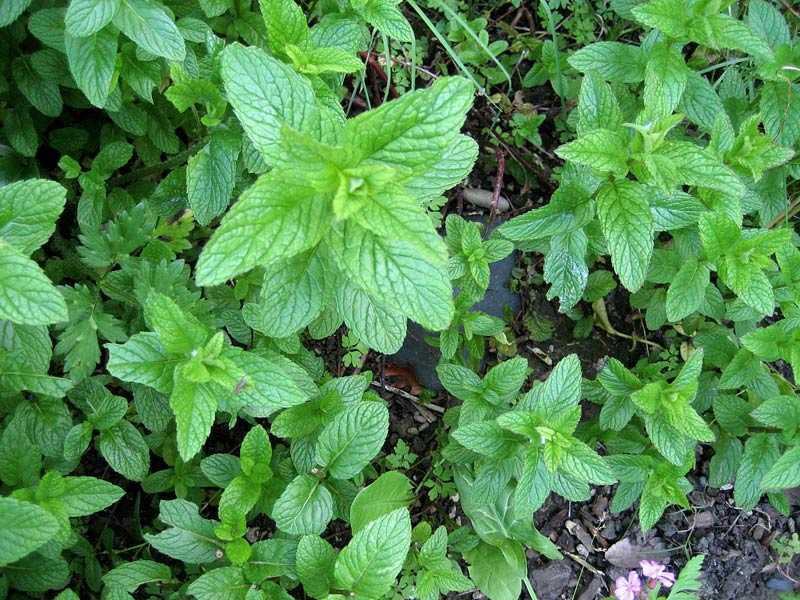
Mint belongs to the Lamiaceae family, a prominent tribe including such other important medicinal and seasoning herbs as hyssop, thyme, sage, Melissa, rosemary, white-leaved savor, basil, and more. This family has an interesting characteristic. If you haven’t yet noticed this phenomenon, it’s simply fascinating. Take a branch and look closely: the stem isn’t round, as you might expect, but has sharp corners that form a square.
Mint is a perennial plant that grows back year after year. It slows down a bit in winter, but bursts back in full force each spring. When growing mint in your garden, it’s recommended to confine it to a closed corner or even a pot to prevent it from taking over the whole garden. It’s bounding with super energy, strength, and chutzpah!
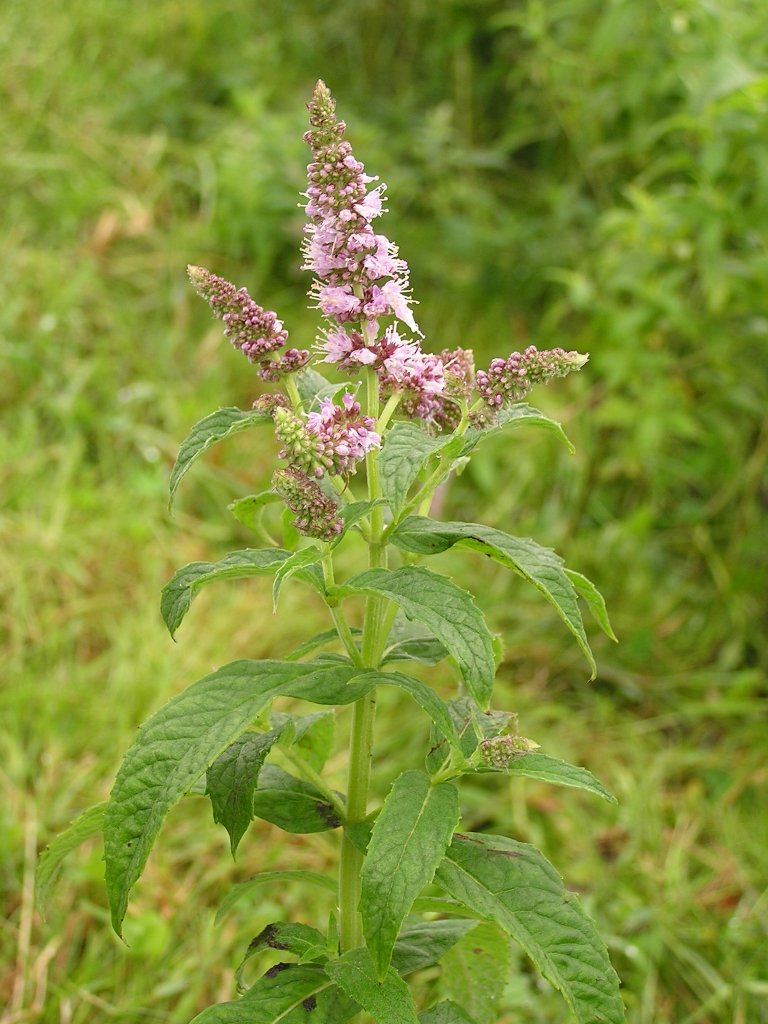
In Israel, four species of wild mint grow: spearmint, ball mint, water mint, and fragrant mint. As a cultivated crop, many varieties have been developed, with soft or tough textures, long or round leaves, tall or spreading plants, and more. In cooking, people distinguish between “nana” and “menta,” but this is somewhat artificial: the milder varieties are called “nana,” and the sharper, menthol‑rich varieties are called “menta.”
The fact that mint bursts forth with the arrival of hot weather (sometimes during a major heatwave) is a blessing, as the menthol it contains in varying concentrations gives it the extraordinary quality of “cool spice.” We usually think of spicy flavors as hot, but menthol molecules act on temperature‑sensitive nerve endings, increasing their sensitivity specifically to cold. This small molecule can penetrate the epithelial layer of the throat and reach the nerves responsible for sensing heat and cold. A light breath of air after menthol acts on the nerve endings to intensify and create a cool, refreshing sensation.
In the starring role of the legend of mint’s origin is a sharp‑tongued, bold young woman named Minthe, who lived in the underworld realm of demons and the dead. Minthe was the first lover of Hades, king of the underworld. She adored him, but he preferred the more beautiful Persephone. The day that Hades invited Persephone to his palace, Minthe became livid. “Who is this ugly witch?” Minthe shouted at the king. “What? I’m not good enough for you anymore?!”
“And you,” snapped Minthe as she turned to Persephone, “You get the *** out or I’ll personally rip you into small shreds!” Highly offended, the beautiful Persephone proceeded to slug Minthe and tore her to pieces. Hades regretted the misfortune he had caused Minthe and transformed his first love into a fragrant plant with a red-hot flavor that bears her name to this day.
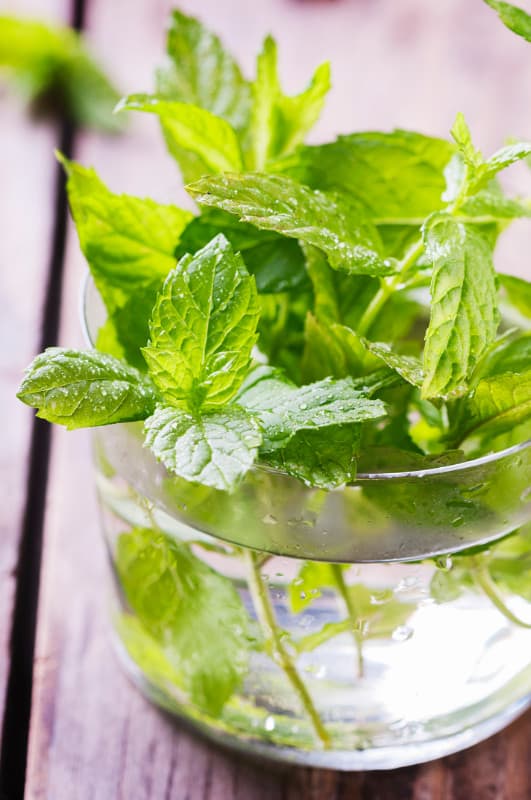
Minthe’s intensity, once expressed as seething anger, is now channeled into healing, soothing, and health. The Hebrew name nana derives from the Arabic name. Plant researcher Nissim Krispil believes its root is the word na‘am, meaning pleasant, soft, and gentle. Indeed, mint is known as a plant very beneficial for digestion (drink mint tea after a meal), great for vanquishing heartburn, and helpful in easing pain and spasms in the digestive system. Like its other family members, mint is also antibacterial and thus widely used in oral‑hygiene products (toothpaste, mouthwash, etc.). It helps relieve headaches, toothaches, earaches, stomach and joint pain by increasing blood flow to the painful area. (For that very reason, it may also stimulate contractions and is not recommended in large quantities for pregnant women). Here, for example, a long (Hebrew) list of medicinal uses for mint.
Culinarily, we’re used to putting mint in tea (or adding some tea to our mint, depending on how much we love it), but also adding it in cooking, baking, salads, desserts, and many other ideas. Mint will always enhance and enliven boring, all-too-familiar recipes, adding a touch of mischief and an unexpected twist.
Wishing us all days of healing, calm, and health,
Alon, Bat-Ami, Dror, Einat and the entire Chubeza family