The Weekly Newsletter of Chubeza Farm
THANK YOU!!
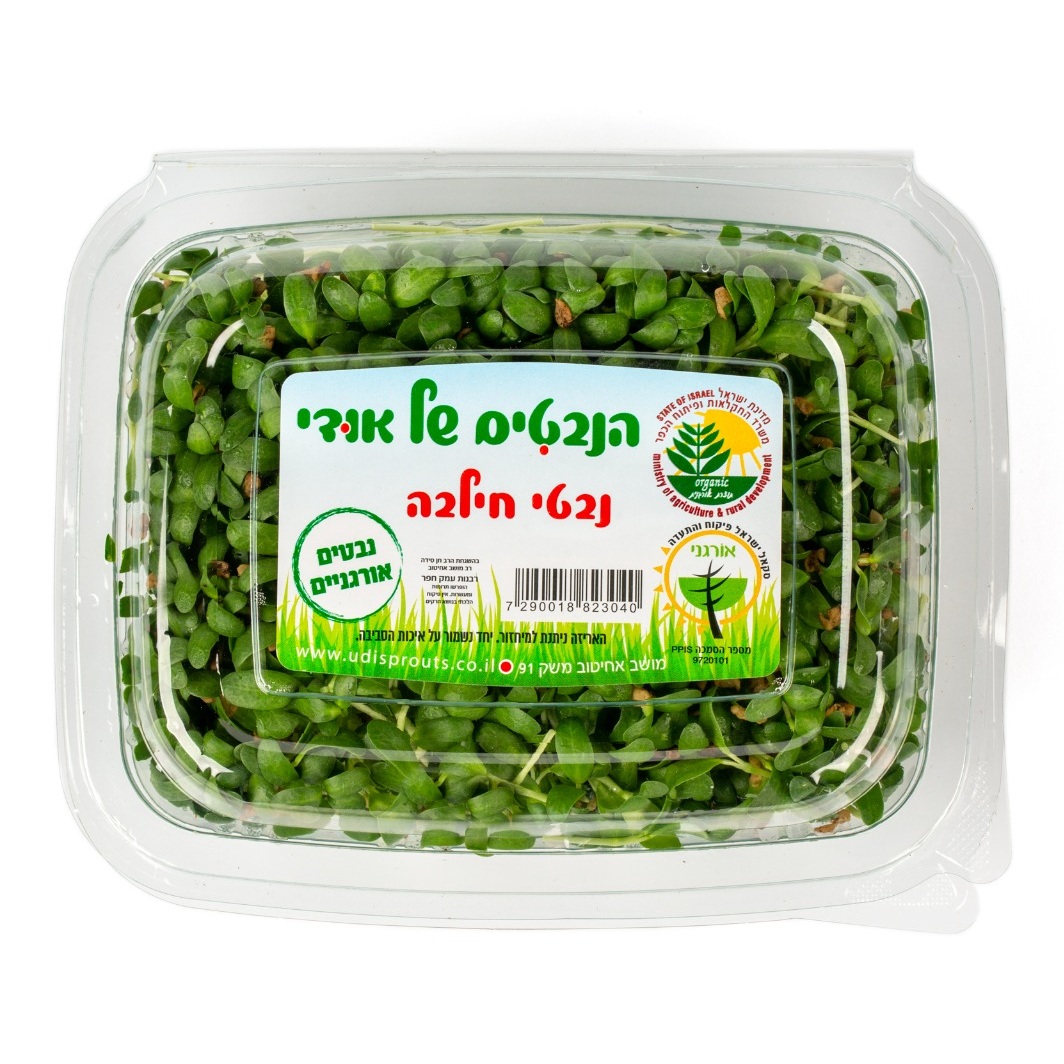
New & Wonderful! "Udi's Sprouts" proudly introduces their newest product - Organic Fenugreek Sprouts! The fenugreek (chilbeh) plant and its sprouts are renowned for balancing blood sugar and cholesterol levels, lowering blood fat levels, and contributing to hormonal balance. Fenugreek sprouts boast a slightly bitter taste, plus a hint of the pungent smell of fenugreek, significantly diminished during sprouting...
Add them to your order, along with other sprouts from Udi's very special selection.
Delectable organic Dekel Noor dates have arrived from Moshav Paran! Grown by Tzion Moyal, they come in packages of 4 kilos or 1 kilo. (They appear in the Chubeza order system under “Elazar Farm” in Paran.) Dekel Noor is a long, relatively dry date with a delicate, delectable taste. Highly recommended for those who find Medjool or Barhi too strong. Add these and other excellent organic dates from Paran Moshav, Kibbutz Samar, or Neot Smadar to your box via the Chubeza Order system today!
Bon Appetit!

After a dubious spring interval in the heart of winter, cold weather has come in like a lion! These past few days, we find ourselves wrapped in coats all day, rubbing our hands together, and jumping to warm our toes... Even when the sun peeks out, it's hard for us to thaw. Any warmth is temporary, lasting only two to three hours till the cold swoops back in. The vegetables in the field also feel this chill. They behave as if they were put in a refrigerator. (Indeed, this week’s temperatures are refrigerator-like. When we open the door to the large Chubeza refrigerator, it’s beginning to feel like we just stepped outside…). So, what does lettuce do in the cold? Just like bears, it huddles, expends as little energy as possible, and goes to sleep... The vegetables grow slowly. Although carrots and beets store their sugars in root tubers for us to enjoy their winter sweetness, they also take their time to thicken and become ready for harvest. Everything happens in slow motion, as if someone is slowing down the projection speed.
Unlike a regular winter, this year we've had relatively warm days, so the slowdown in vegetable growth is not very noticeable. Throughout most of the winter, they grew quickly and vigorously, enjoying pleasant but not scorching and drying sun, lapping up measured irrigation through drip pipes. Thus, the recent severe cold days do not worry us about vegetable growth.
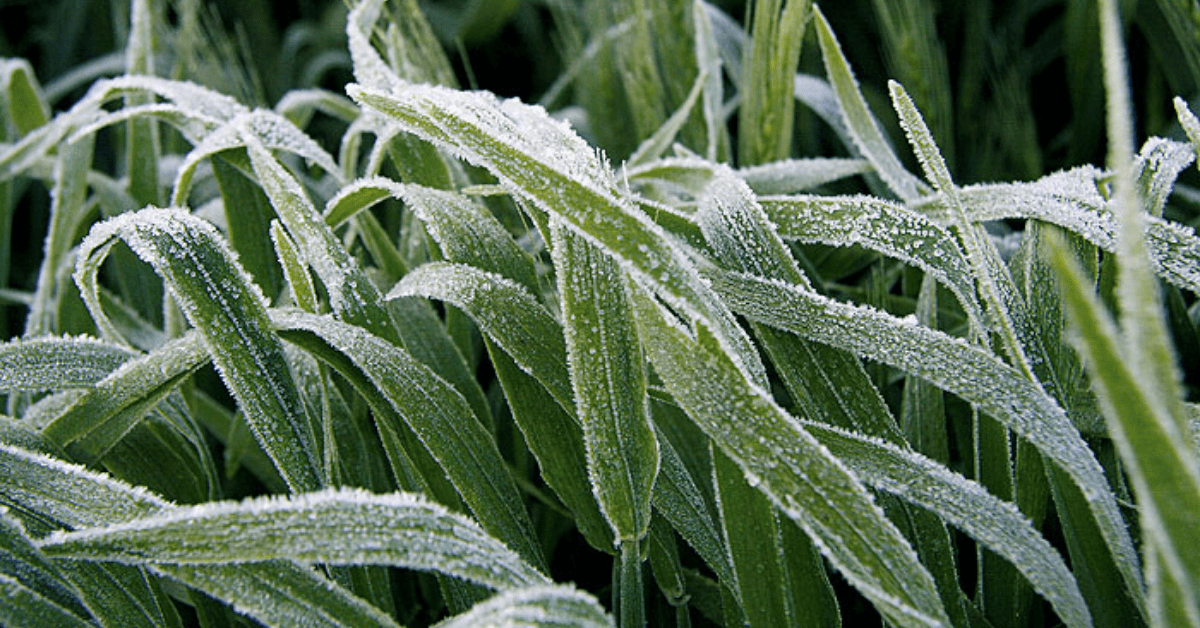
What does worry us is the possibility of frost. Frost is a winter phenomenon caused by frigid air. Cold air is denser than warm air, so it sinks down and "settles" on the plants, especially in low valleys (like ours, the Ayalon Valley), and on plants close to the ground. When it gets very, very cold, the moisture on the plants and inside the leaf veins freezes, the frozen water expands, and bursts the plant's transport tubes, causing damage.
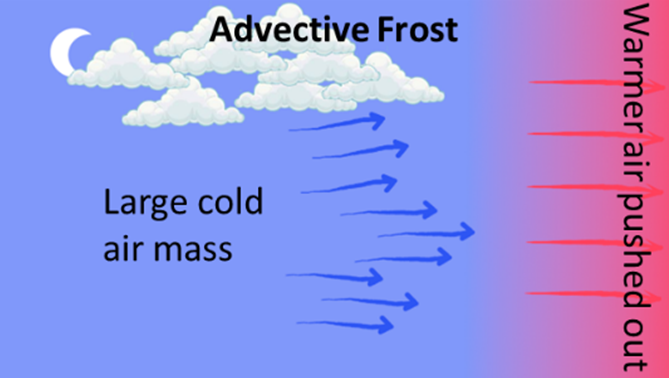
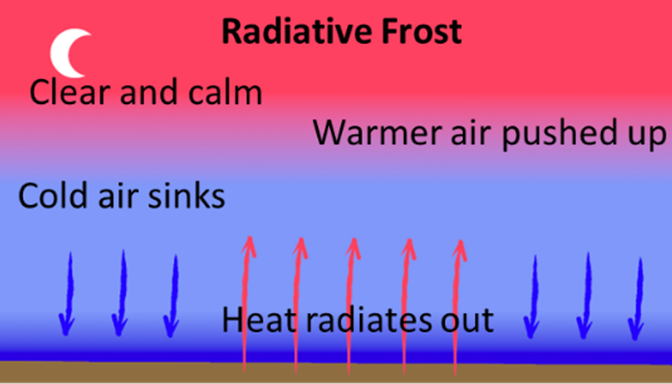
Types of Frost:
- Radiative Frost: The most common type, occurring on clear (cloudless), dry (low humidity), and calm (windless) nights. In this frost, the temperature near the ground and in other low places is very low, plunging to around zero, while higher air layers are less cold. This frost is dangerous for valleys and plains like ours.
- Advective Frost: This frost is characterized by low temperatures caused by cold air arriving in the area during or just after rain or hail. In advective frost, even high areas exposed to the cold air flow are affected.
- Combined Frost: The most severe of all, a prolonged extreme event in which radiative frost and advective frost occur in succession. The low temperatures remain both day and night, along with low humidity, and the situation lasts for a long time, causing the most severe damage to crops.
When we heard that Combined Frost was predicted for Sunday and Monday nights, we were most worried about our cucumbers and tomatoes. We quickly added shade nets above the greenhouses to add some insulation and prevent the slightly warmer (more accurately, slightly less freezing) temperature from escaping upwards and out of the greenhouse. Outside the greenhouse, we tended to the spring crops already planted in the field by covering them with plastic tunnels. These created small greenhouses to protect the crops from winter cold and hopefully from frost as well. We also cover the beds of vegetable greens with Agryl fabric, to protect them from frost damage. We usually don't worry about strong winter crops like cauliflower, cabbage, broccoli, kohlrabi, fennel, and the root veggies buried in the protective soil during frosty nights.
Sunday's frost was not too bad, but the one we got on Monday's night was hard on some vegetables. We will wait a few days and see if the potatoes and pumpkins recover from the freezing frost, we'll keep you updated.
Wishing everyone a warm week.
May all of the hostages return soon!
Alon, Bat-Ami, Dror, Einat, and the entire Chubeza team