The Weekly Newsletter of Chubeza Farm
THANK YOU!!
A HYMN TO GREEN
Green appears again,
as it always does—
quietly, without asking permission,
spreading over the earth in its familiar way.
It comes back after absence,
as though nothing had changed,
as though the world had been waiting
for this soft return of color.
Green rises from the ground,
from branches, from the smallest shoots,
reminding us how easily life resumes
where we thought it had stopped.
We grow older,
but green remains young.
It keeps renewing itself
while we measure our days.
And so we watch it—
this color that never seems to tire—
and we understand something simple:
that nature continues,
even when we feel ourselves fading.
Green keeps coming back,
season after season,
as if to say that beginnings
are always possible.
(Paraphrase of the Hebrew poem by Natan Zach)

Last week, the rain made a grand return to pour across Chubeza’s fields, awakening the sharp, pungent scent of wet earth. Strolling through our fields this winter season is a journey through a thousand shades of green. So, as your Chubeza boxes brim with delicious, healthy, vigorous greens, it’s time once again to send you the Guide to the Perplexed for Chubeza Winter Greens:
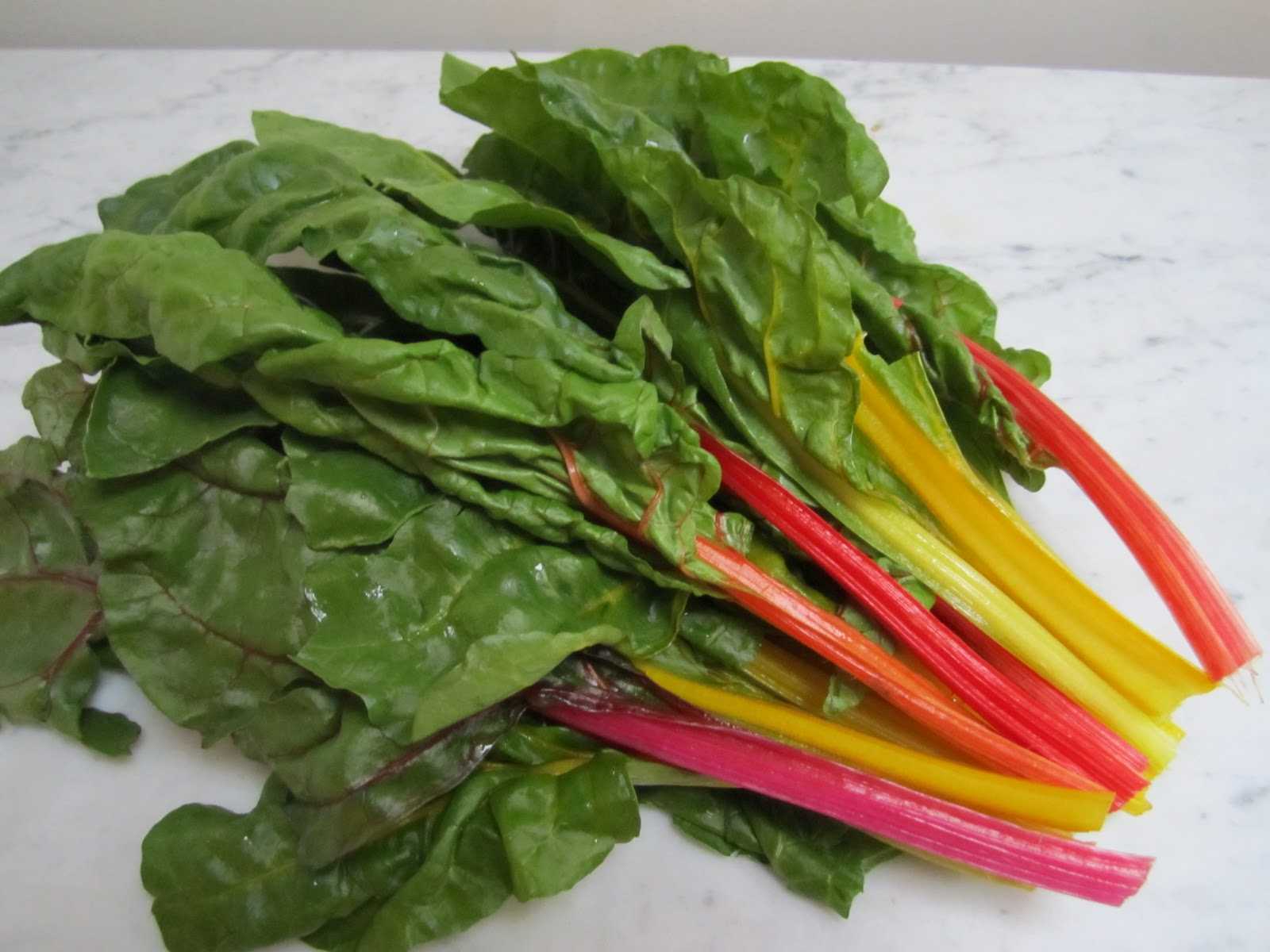
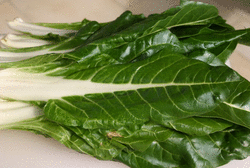
Chard
Swiss chard is a cousin of the red beet, but instead of sporting a thickened root, it grows huge, fleshy leaves with a wide central rib.
At Chubeza, we grow the classic chard, with thick, juicy leaves and a broad white rib, plus vivid, colorful chard, whose more delicate leaves surround ribs in technicolor shades of yellow, red, or green. No matter what color their stems may take, the leaves are always dark green—and absolutely delicious.
Chard is wonderful in soups and quiches, as stuffed leaves, lightly stir‑fried or steamed, and even tossed in a fresh salad.
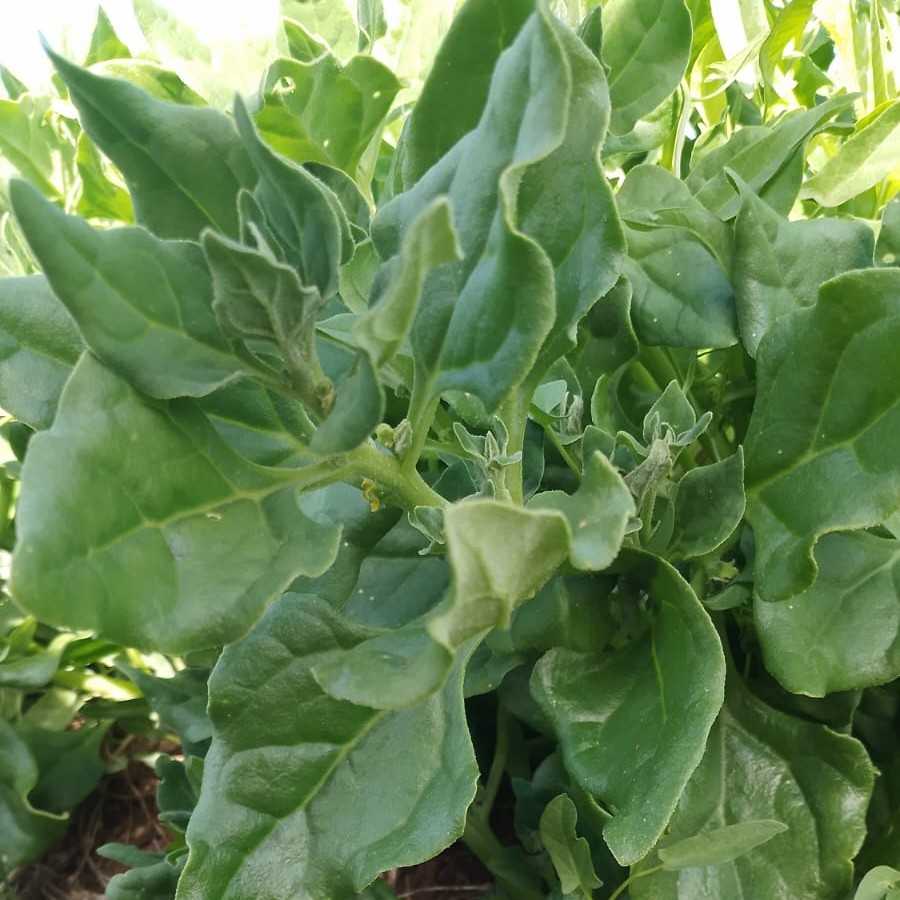
New Zealand Spinach
This veggie’s New Zealand (and Australian) origins are prominent in its name. When Captain Cook discovered the hearty plant growing along the shores of New Zealand, he added it to his sailors’ diet over the long sea voyages to prevent scurvy, caused by vitamin C deficiency.
New Zealand spinach is ideal for our own local climate, thanks to its penchant for warm weather. Sporting small and meaty leaves, it enthusiastically sprawls and spreads.
New Zealand spinach can be used in any recipe calling for spinach and is quite suitable as a Swiss chard substitute.
To prepare New Zealand spinach for cooking, remove the leaves from the stem, which is tough and certainly not tasty. Unlike regular spinach or Swiss chard, eating New Zealand spinach raw is not recommended. Blanch it for several minutes and then rinse in cold water before cooking.

Winter Turkish Spinach
Spinach can sport huge leaves or be dainty “baby” spinach, depending on the season, the bed in which it’s grown, and the harvest time.
Intriguingly, spinach leaves are both fleshy and delicate. They’re just slightly bitter, a tad sweet, and chock full of the flavors of freshness and rain.
Spinach can be served fresh or cooked, starring in a soup, quiche, dumplings, as an herb omelet, or a warm spinach salad. They all suit spinach beautifully.

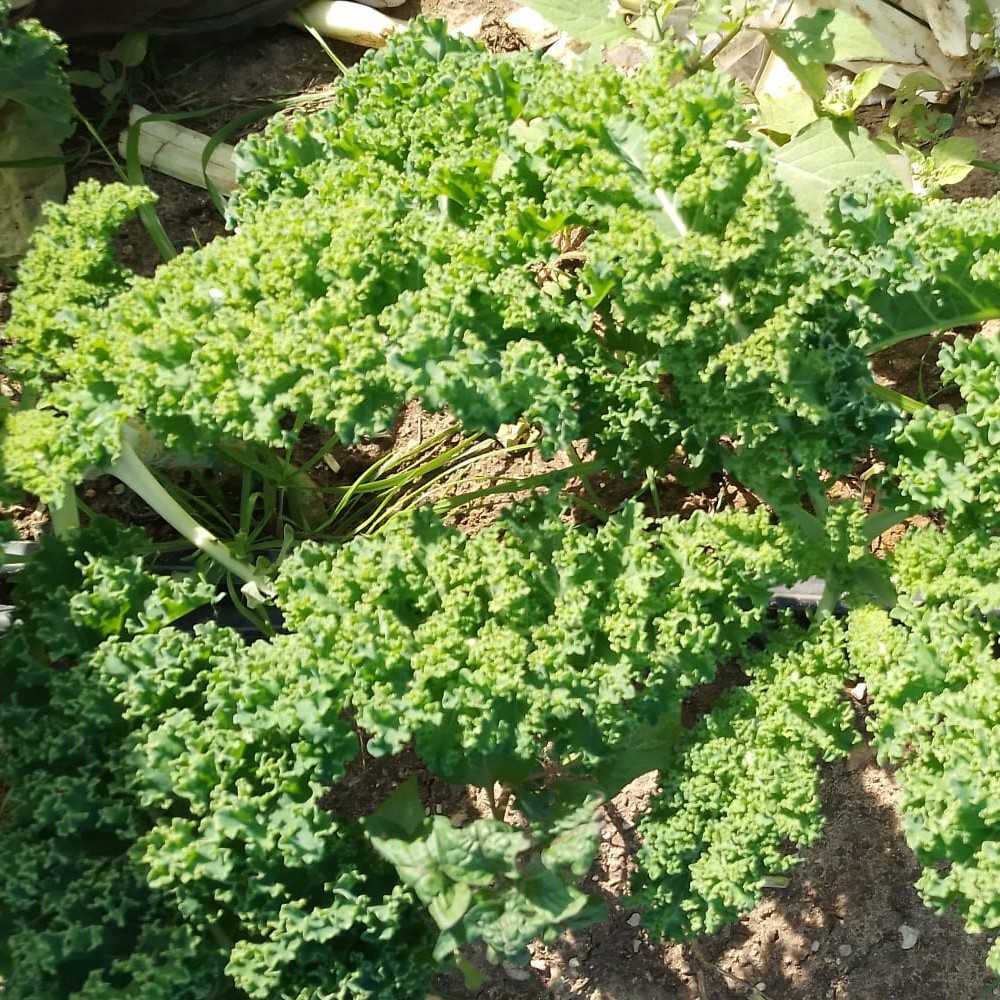
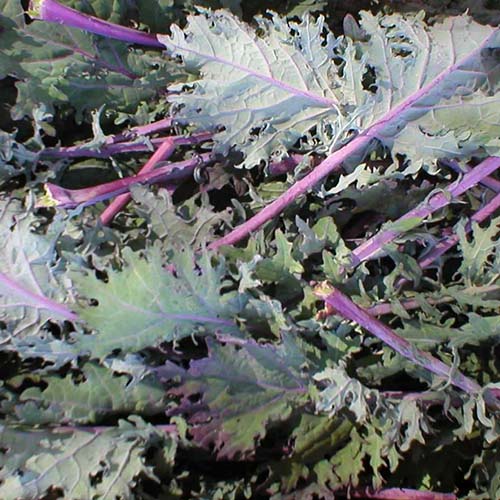
Kale
A green from the Brassicaceae cabbage family, kale is considered one of the healthiest foods around. True, kale is an acquired taste, but truly worth getting used to and adoring.
Throughout the season, Chubeza grows three kale varieties: Red Russian kale, with silvery-green, deeply lobed leaves; curly kale, which comes in a lighter shade of green and is very curly indeed, and “dino” kale (coined by someone who thought it resembled a dinosaur’s tongue), long and slightly rough. Each is a runaway success.
Due to its relatively rigid texture, kale is usually cooked or added to a green smoothie, but you can make delicious kale chips or enjoy it raw in a yummy green salad -- It’s great!
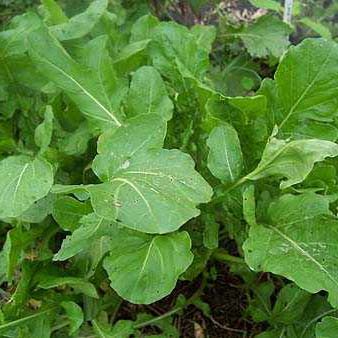
Arugula (Roquette)
This yummy green is called arugula, or roquette (or “rocket,” if you’re British). They all sport the same sharp, mustard family flavor. Like spinach, arugula can come in many forms, from huge and meaty to small and dainty.
Arugula leaves are spicy, but they have their own distinctive flavor - not necessarily sharp - which transforms them to offer a very special dash to a salad, especially when co-starring with sweet fruits. They pair wonderfully with cheeses, and light cooking or stir-frying softens their sharpness.
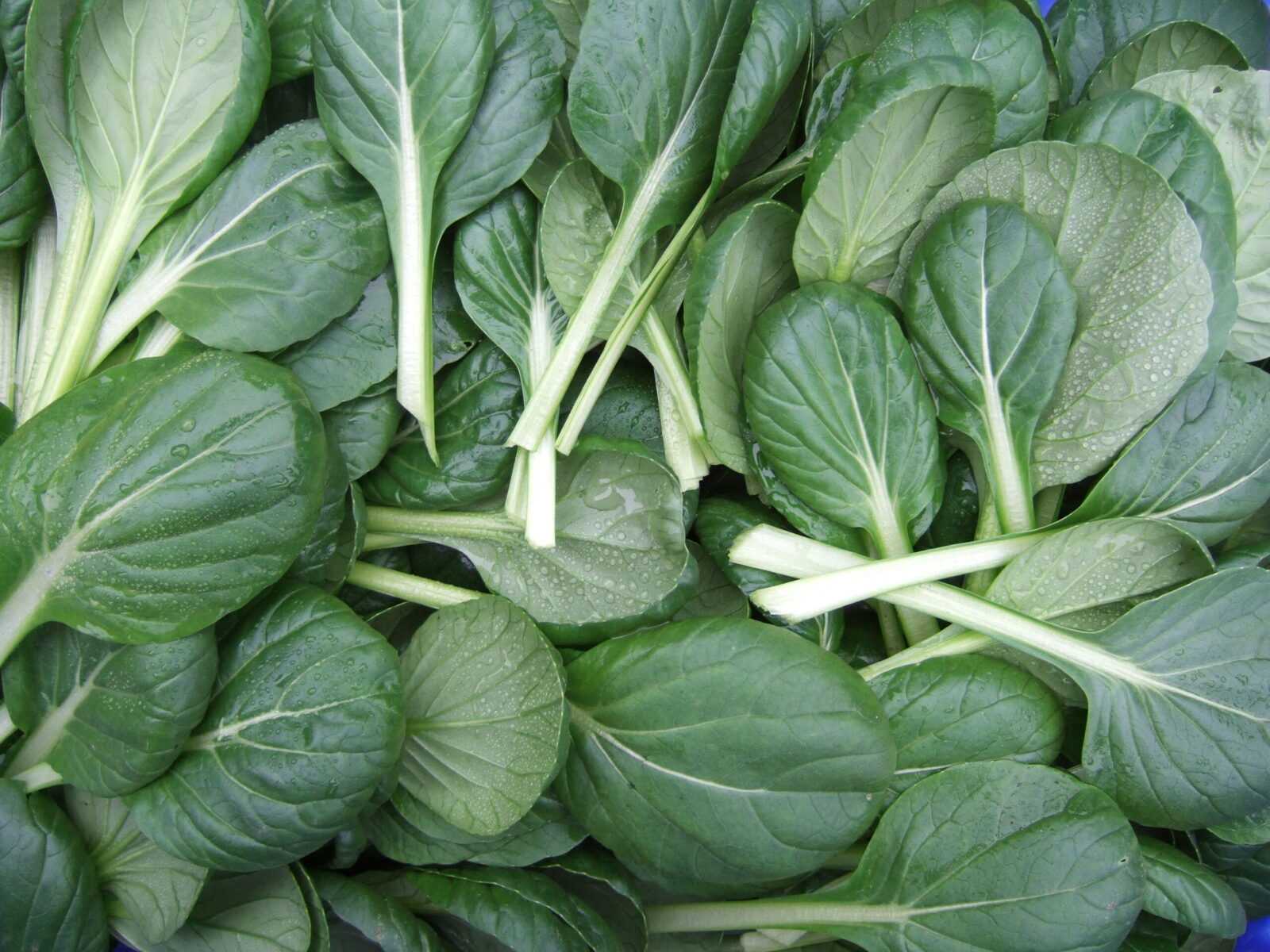
Tatsoi
Tatsoi comes to us all the way from the Far East. It belongs to the choi/soy family within the cabbage/mustard group, a sibling of bok choy, but more delicate.
Neither bitter nor spicy, tatsoi is a very special green. It pairs brilliantly with sharp flavors (mustard and hot pepper), ginger, sesame, tangy lemon, and even sweet fruits.
Enjoy using tatsoi in salads, stir‑fries, or cooked like spinach or Swiss chard—in soups, quiches, omelets, and more.
Vegetable greens naturally grow attached to their roots and the earth. To store them after harvesting, try to prevent two unwanted side effects: drying up and rotting. Here are several methods for long-term storage:
To prevent rotting, avoid excess moisture. Wash greens just prior to use, not in advance. For large greens like lettuce, Swiss chard, kale, tatsoi, spinach and mustard greens, wrap them (unwashed) in a cloth or thick paper towel and place in a plastic bag to absorb moisture while preventing drying.
For more Storage Tips and recipes, check our website.
Hopefully we’ve helped clarify Chubeza’s wonderful world of greens now coming your way. You’re always welcome to ask us about any unfamiliar veggie in your boxes. Feel free to phone 054-653-5980 (also Whatsapp) or email chubeza@gmail.com.
We continue to pray for the safe return home of Ran Gvili, and for the healing of all the wounded, in body and in spirit.
May this week bring good news!
Alon, Bat‑Ami, Dror, Einat, and the entire Chubeza team