The Weekly Newsletter of Chubeza Farm
THANK YOU!!

Last Saturday, winter officially arrived.
Since the end of June, when the shortest night and the longest day made their momentous appearance, the days have been getting shorter. Saturday, December 21 marked the winter solstice - the shortest day and the longest night of the year, marking the start of the astronomical winter. In essence, the four seasons result from the slight tilt of the Earth's axis (oriented to a point in space, somewhere in the environs of the North Star). This slight tilt causes the Southern Hemisphere to receive more sunlight than the Northern Hemisphere for half a year. The other half of the year, the Northern Hemisphere gets more sunlight. At noon on a summer day in the Northern Hemisphere (and in Israel), the sun is high in the sky. In winter, the sun rises and sets in a lower arc, making a shorter path in the sky. Thus, in summer, we enjoy long hours of daylight, as the sun rises, climbs high, and eventually sets. In winter, the sun spends less time in the sky, disappears early, and leaves us to spend long night hours in the dark.
In ancient times, when people lived much of their lives in the great outdoors and followed the changing seasons, fear gripped their hearts as the sun set for the long night ahead. Would the sun ever rise again? As men and women of yore pondered the cycle following the solstice, where the sun gradually began to climb back up to the peak of the sky and the days began to lengthen, they were compelled to create a story to explain the phenomenon. Thus, various mythologies developed describing the cycle as a struggle between light and darkness, the sun and the moon, or day and night.
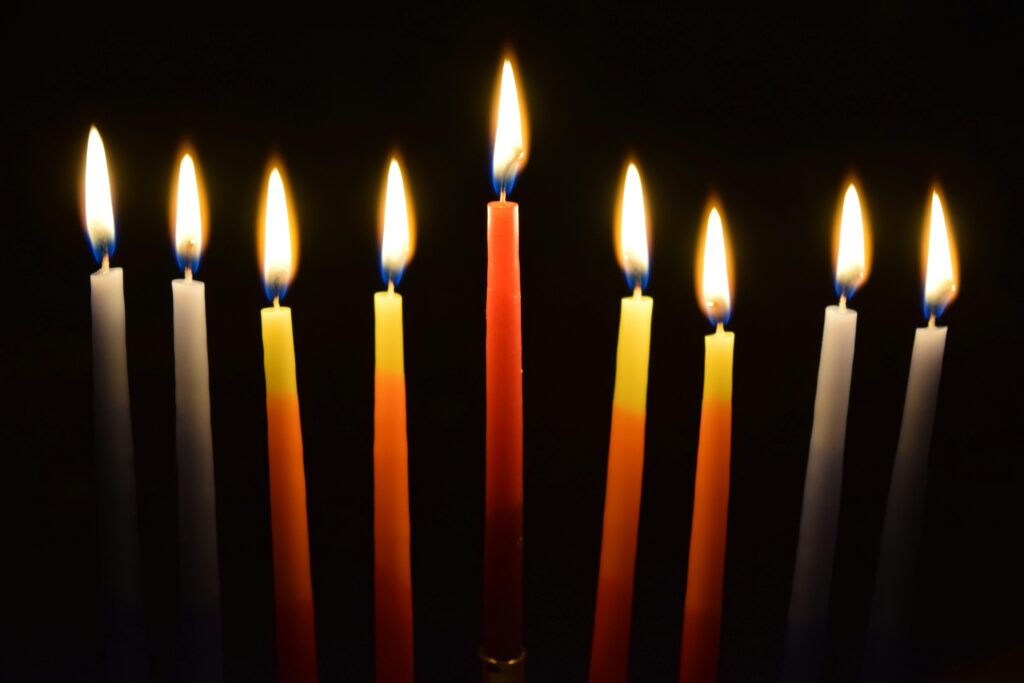
Beyond the story, which provided an explanation, this dark period of the year also spurred action. Which is why in many cultures, festivals of light are prominent during winter. Chanukah, Christmas, the Indian Diwali, Loi Krathong in Thailand, Klausjagen in Lucerne, the Festival of Lights in Lyon, and of course, our very own Chanukah.
Winter is now upon us. The skies already grow dark and gloomy in late afternoon, evening falls earlier and earlier, and the hours of darkness keep extending. We walk into the house and flip on the lights. But in olden times, darkness had a much more dramatic effect. Candlelight or a flickering bonfire were the only way to break the blackness, as danger lurked during the long hours of darkness.
When fear gripped the heart, the best way to confront anxiety was through community gatherings lit up for the occasion. Which is why in many cultures, festivals of light are prominent during winter. Communal gatherings, bright with light, were a great solution to alleviate the hardship, inspiring people with a sense that together, we can survive the dark, frigid, threatening days, to reach the bright, warm seasons.
Nature teaches us that even now, in these cold, dark times, a great deal is happening. Growth continues, albeit gradually, as our own inward retreat inspires repair, healing, and gathering strength for the energy surge and speeded-up pace awaiting us in spring’s longer days. Even though we humans now live quite detached from natural rhythms, this is our chance to retreat within for self-reflection, to gather strength. And perhaps even to dare to see our own inner darkness, enabling us to emerge with renewed stamina in spring.
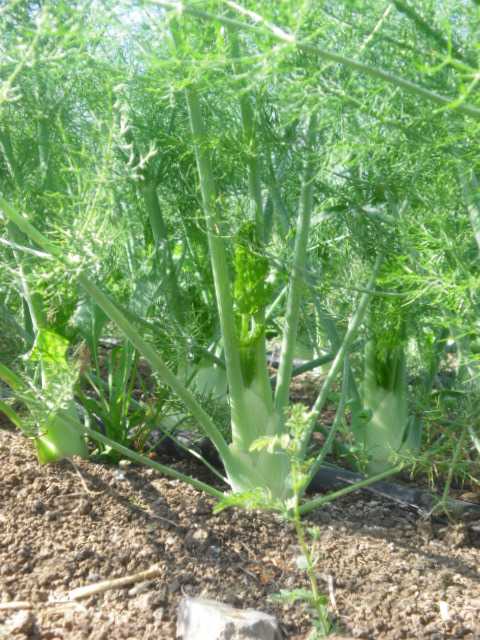
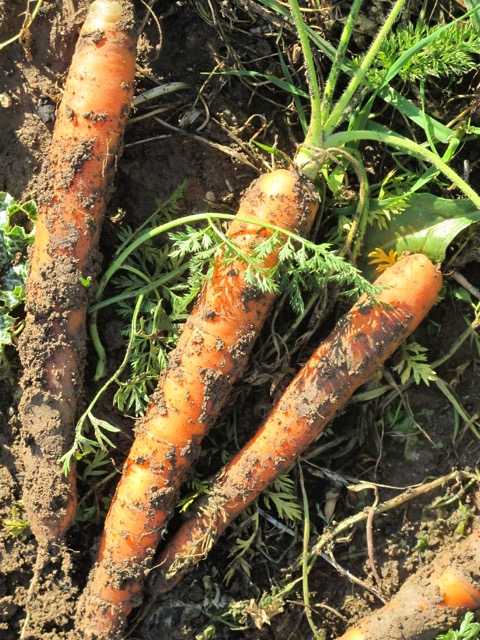

Growth continues steadily in the field as well. Slow, cautious, wintry, but steady. In this dry winter, the sun’s rays empower the vegetables with energy to grow. The rains we enjoyed last Friday also gave much-needed, crucial encouragement. Chubeza’s winter field abounds with winter activity and fresh, strong, persistent growth.
We end this week with the hope that the dark days are coming to an end, and a critical turning point lies ahead. May good news illuminate the lengthening days, one after another.
Wishing you all a bright Hanukkah, blessed with miracles!
Alon, Bat-Ami, Dror, Einat, and the entire Chubeza team