The Weekly Newsletter of Chubeza Farm
THANK YOU!!
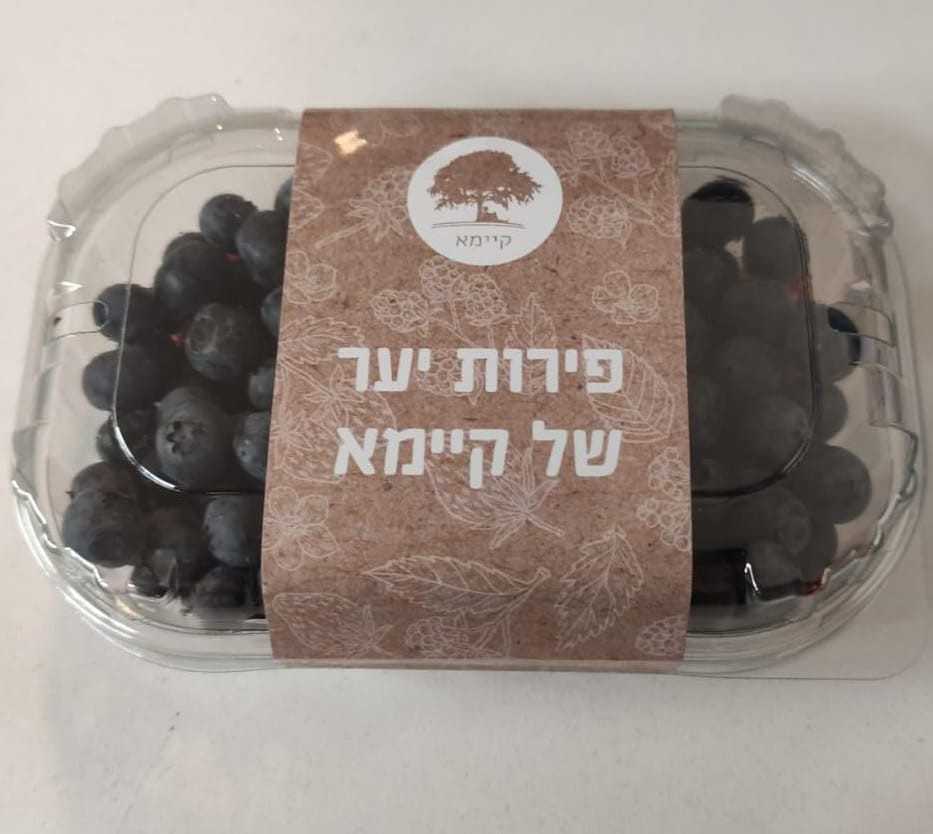
Great news! This year’s long-awaited blueberry season has begun at the Kaima Farm in Beit Zayit!
While the blueberry season at Tamir’s "Chelkat HaSadeh" has ended, raspberries are still available. And you can continue to enjoy sweet, wonderful blueberries from Kaima Farm!
- ₪20 for 150 gram packages
- ₪65 for half-kilo packages
Add a delicious Fruit Box, blueberries, raspberries, and other delectable goodies to your order today, via the Chubeza ordering system.
While Shavuot has now ended, we’re taking one more moment to savor its full significance.
This week, we turn over the stage to Dora Levy, a longtime friend and Chubeza client, who will share her fascinating insights on Shavuot, wheat, bread, and sourdough.
May we all enjoy peaceful post-Shavuot days abounding with good news.
May we speedily see the war’s end and the safe return of all hostages—home at last!
And now, here’s Dora’s message:
-------------------------
Shavuot is Behind Us—But It’s Far More Than Just a “Dairy” Celebration!
We’ve all come to associate Shavuot with dairy delights: cheese, casseroles, cheesecakes—which surely adorned your own holiday table.
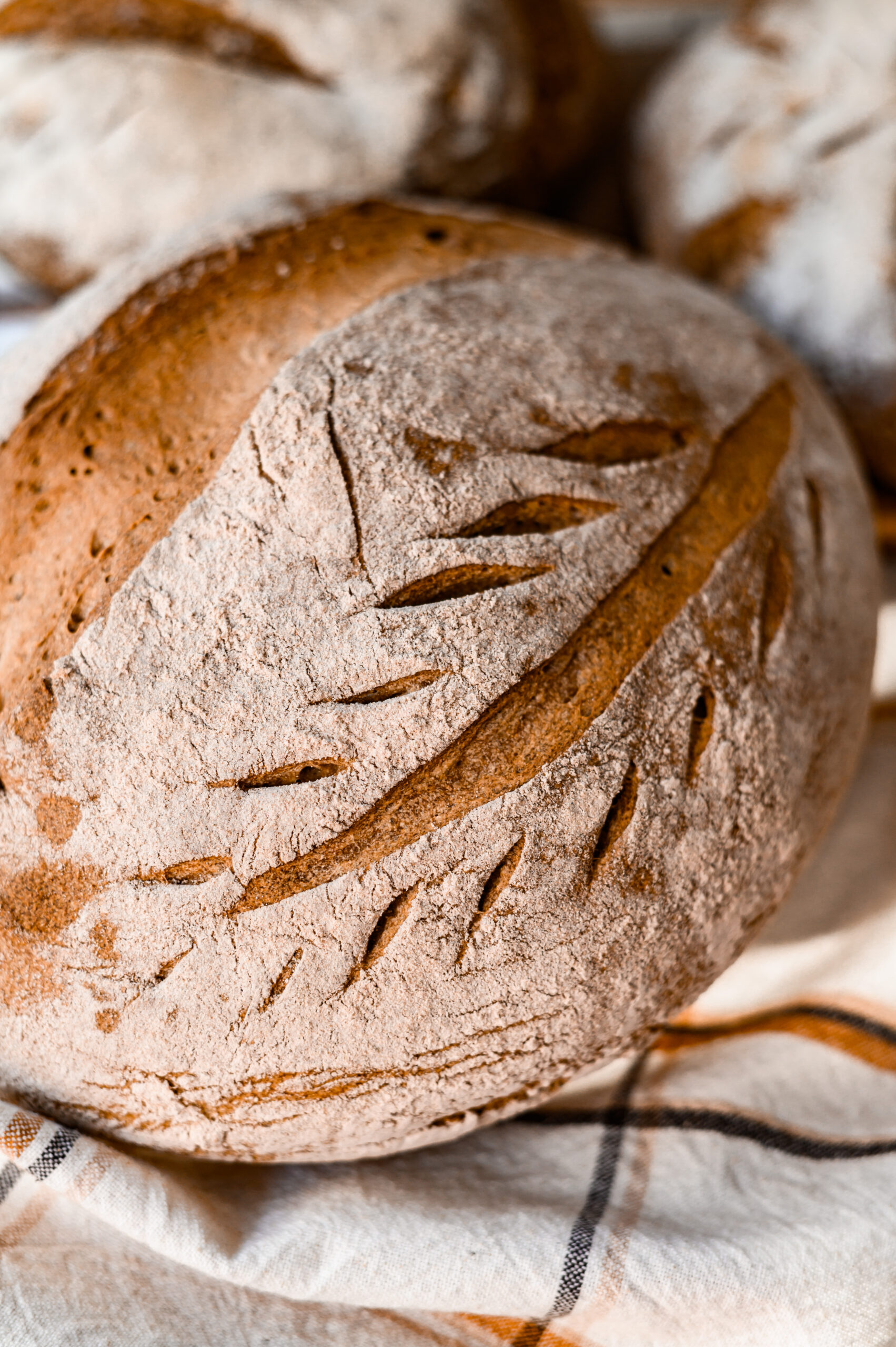
But here’s the truth: Shavuot is the holiday of wheat!
Yes, indeed —"The Festival of the Wheat Harvest," as described in the Torah,
is a true Israeli holiday—celebrating fruit, wheat, and bread!
I would even go so far as to say that davka wheat, a truly essential and ancient staple, has recently gained a bad reputation. The time has come to restore its rightful place of honor and to fully enjoy its wonders.
But wait…
What about gluten? Is it harmful? Fattening? Should we switch to buckwheat or quinoa flour?
Definitely not!
Wheat (and spelt, actually a wheat variety) is totally healthy. You simply need to know how to use it properly and in moderation.
So how do we do this right? Let’s just take a step back to Passover.
Remember the moment when dough starts to ferment? The matzah? What do those moments of fermentation truly mean for our health?
Life! Yes, this is not merely symbolic. Fermentation brings life—literally.
From the moment flour meets water, it comes to life!
Where does this life come from? How does it develop?
And why does it so significantly transform dough from hard, dry matzah into soft, airy bread?
Meet humanity’s best friends—bacteria and yeast!
If we could only see these microscopic creatures, we’d notice bacteria floating everywhere and yeast simply resting in our flour.
Bacteria in the air constantly seek a warm, moist home, while yeast lies totally dormant in the flour on supermarket shelves.
When flour and water meet—the magic begins, and these tiny organisms wake up to life!
In mere moments, the bacteria and yeast are thriving in our dough.
Now, let’s introduce another key player: our digestive system.
We’re used to believing that our digestive system can handle anything and everything—but that’s not exactly the case.
Our digestive system is far more than just another system. It is definitely not independent; it collaborates with the external world, just like our eyes, hands, and ears.
In truth, the digestive system cannot break down all food—it needs help to do so.
Its top assistants are tiny, invisible bacteria inside our system, aiding our bodies to digest food.
What’s more, for generations, humans worked alongside these microorganisms, treating them as household allies.
Bacteria and yeast helped pre-digest food before it even reached our system:
Yogurt, labeneh, pickled vegetables, sauerkraut, wine, bread—all these foods underwent pre-digestion thanks to fermentation!
Here, tiny helpers broke down various proteins, sugars, and minerals, transforming these nutrients to become more accessible for our bodies.
They relieved our digestive system of this hard work—leaving behind an extra gift: vitamins that had not originally existed in the food!
And the impact?
Our body wins, big time! Considerably less bloating, fatigue, and discomfort—simply because digestion is easier!
Remember when you first bought a vacuum cleaner or a dishwasher—how much work it took off your hands?
That’s how your body feels when food is pre-digested by bacteria and yeast.
With more time freed up, your body can concentrate on healing, more fundamental digestion, resting and cleansing, granting lots more energy to you!
And the best part?
You don’t need to buy anything—just start making sourdough!
No, sourdough is really NOT complicated—it takes just three days to make!
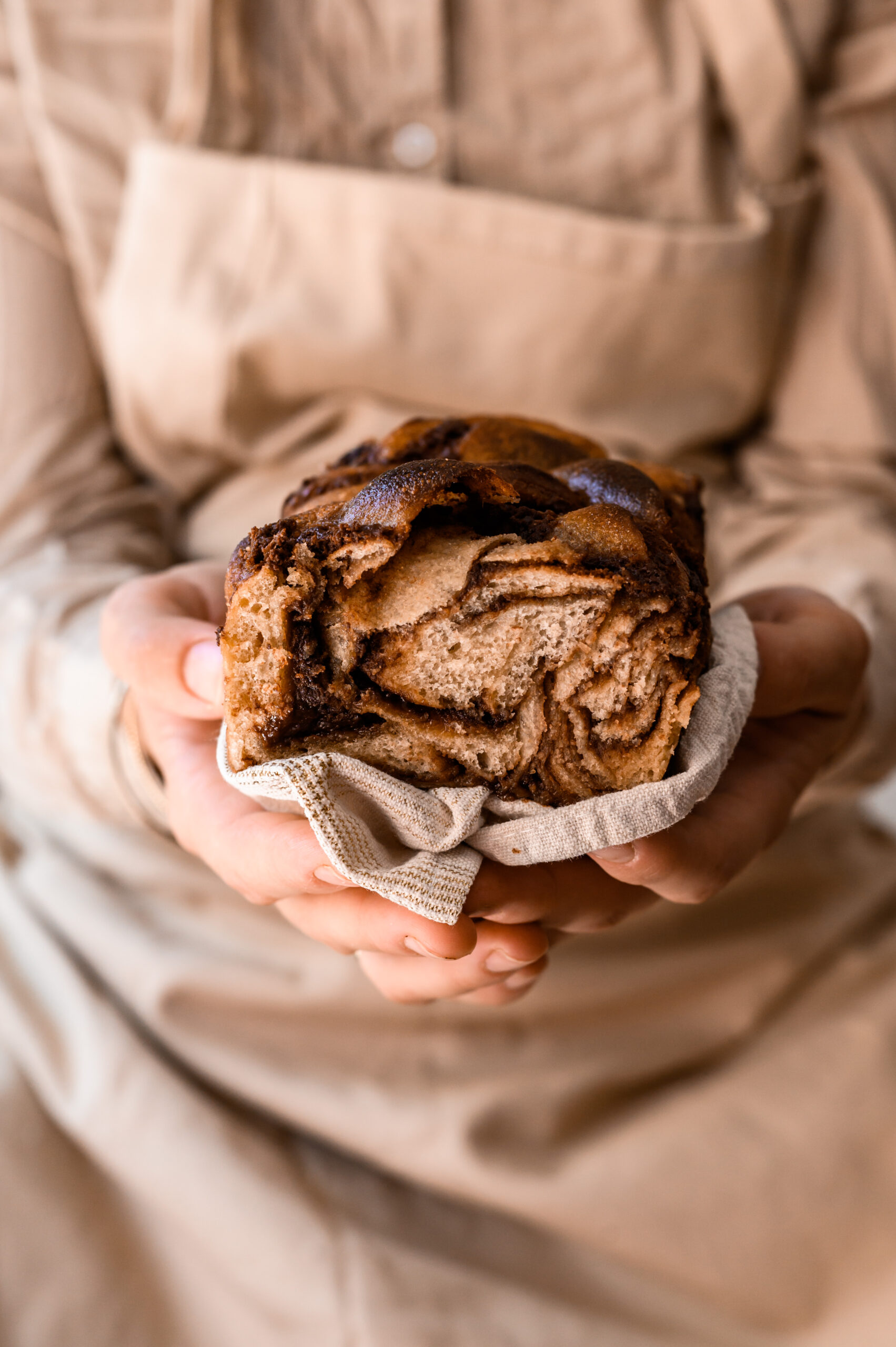
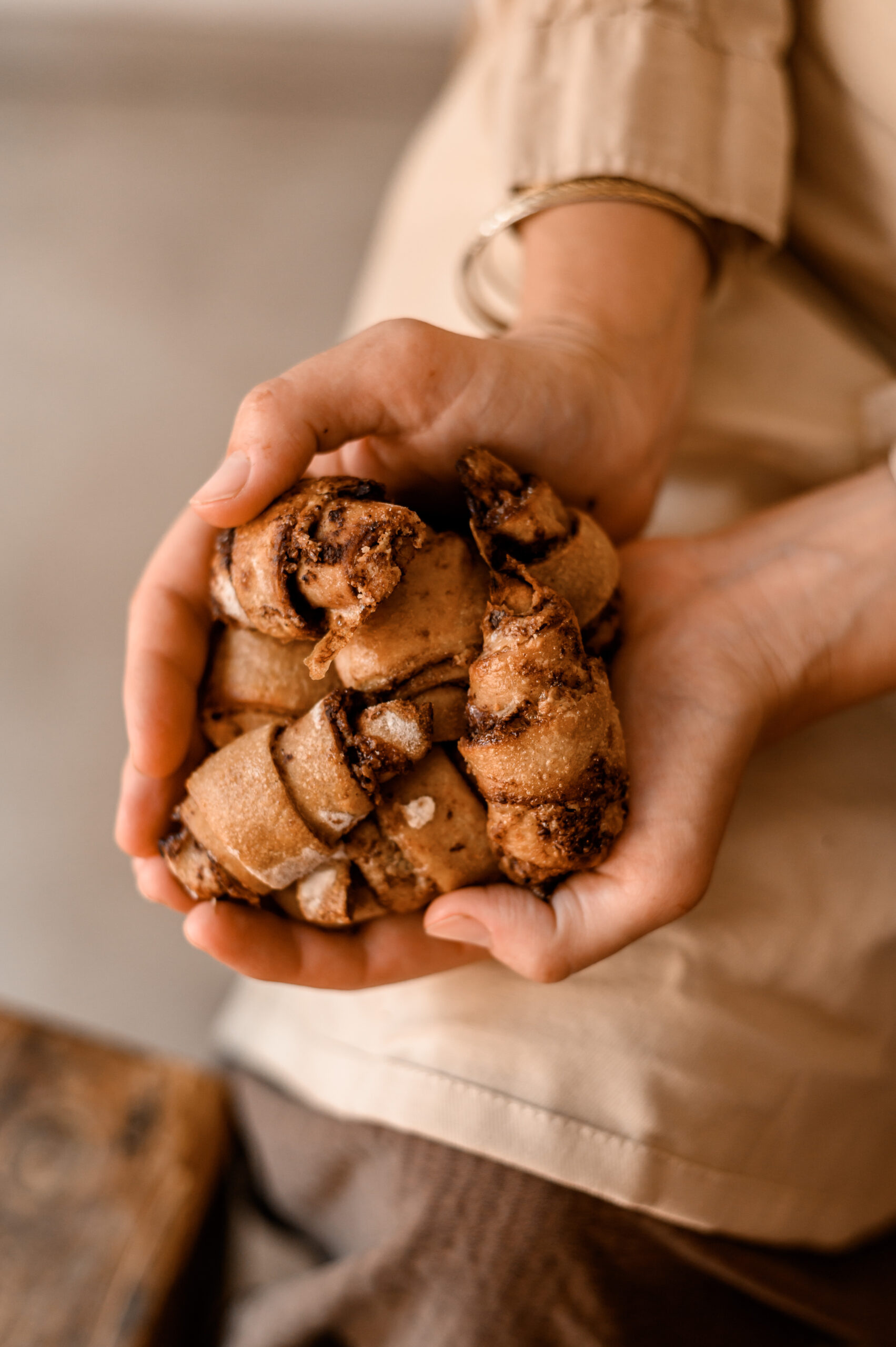
Use sourdough easily to bake extraordinary bread, cakes, rugelach, challah, pizza —everything!
I’m here to help you fear not and get started baking!
In my digital course "Sourdough is Easy," I’ll guide you step by step—from zero to incredible baked goods!
And now, for one week only, the course is available via a flexible monthly subscription:
Pay as you wish, based on your ability.
I can’t wait to bake with you!
Dora Levy