The Weekly Newsletter of Chubeza Farm
A CHANCE, EVEN IN EARLY DARKNESS
A CHANCE
This was not
our finest hour,
as they say.
But on that night
the hands of time shifted
one hour back
and suddenly there was a chance
even though darkness fell early
- Chen Elia
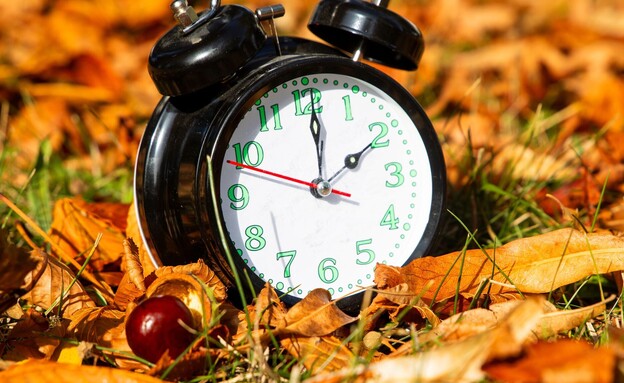
Between last Saturday night and early Sunday morning, our clocks “fell back” one hour, ending Daylight Saving Time and giving us an extra hour of sleep. Now we get to leave for work in daylight (just days ago, it was pitch dark at 6 AM), but on the other hand – evening falls an hour earlier, and it’s already getting dark around five…
These first few days after changing the clock, there’s always that groggy feeling of “mini jet lag” – fatigue, empty-headedness, or the sense that concentrating has gotten darn hard. Changing the numbers on the clock is so easy, but shifting our mind and body is a far more gradual process, particularly with the brain needing time and effort to adjust.
For so many folks, the early sunset seems surprising and out of sync with our current human rhythm. After all, we’re still fully active and busy during those hours when the light is fading – and we clearly feel the gaps between the rhythm of light and darkness in nature, the pace of our daily lives, and our own internal body clock.
Our internal clock is called the “circadian clock.” This physiological system regulates sleep–wake cycles, body temperature, and our own specific level of activity and alertness. In the hypothalamus, the brainstem translates the external input of light and darkness, signaling the body to shift from rest to activity and vice versa.
So, we changed the clock on the phone or on the wall, but our internal clock – timing the release of sleep hormones (melatonin) and alertness hormones (cortisol) – doesn’t change via a touchscreen or the push of a button. Which is why we feel confused and groggy: even though the clock shows it’s still early, our body wants to sleep. And in the morning, our sleep is light and we wake up earlier than the time displayed on our clock, because the body is accustomed to waking up one hour earlier.
How can we help the body and soul to make the shift?
Much like jet lag from traveling between countries and time zones, exposure to morning light or to sunset signals the body to synchronize its internal hormone release with what’s happening outside. Just to give ourselves several minutes of attention to the brightening morning and the darkening evening. To truly notice the fragile autumn morning light outside the window (why not step outside?), and look westward at sunset, following the day as it darkens.
And during the day, in the bright hours, moving your body: walking, dancing, cycling, yoga, and any other active workout. All of these will spur our body to boost energy, get that blood flowing, and connect this spur of activity with daylight.
Good, tasty, nourishing food (Chubeza veggies!) and good friends lift our mood, make us feel good, and nourish both body and soul – which will always help us, particularly in these complex times.
And, as always, disconnect from all screens before going to sleep! Both TV and phones emit artificial blue light that delays melatonin release, making it harder for the body to relax and fall asleep.
These are days of choices and change: a shift, maybe tiny, maybe big, toward something different. I want to join Chen Elia’s hope – and know that there’s a chance for positive change, for renewed balance, for a wholesome synchronization between the different parts of our reality – gently, gradually, patiently, and with confidence that all will be well.
Happy voting!
From all of us at Chubeza