The Weekly Newsletter of Chubeza Farm
THANK YOU!!
Changes in delivery dates during the Tishrei holidays: (We will try to send each of you a personal message with your specific delivery dates. If you’re not sure when your box is scheduled to arrive, please contact us.)
Next week, between Rosh Hashanah and Yom Kippur: Monday deliveries move to Tuesday, September 15. Distribution in Gush Etzion will be on Tuesday (and not Wednesday). Wednesday deliveries will take place as usual – Wednesday, September 16.
The week between Yom Kippur and Sukkot: Monday deliveries move to Tuesday, September 22. Distribution in Gush Etzion will also be on Tuesday (and not Wednesday). Wednesday deliveries will take place as usual – Wednesday, September 23. Distribution in Ramat Gan–Giv’atayim will be on Wednesday (and not Tuesday).
During Chol HaMoed Sukkot there are no Chubeza boxes. No deliveries on Monday or Wednesday, September 28–30!
The week after Sukkot and Simchat Torah, it’s back to our regular schedule!
If you’d like to increase your box ahead of the holidays, please contact us soon!
_________________________
Open Day: In the well-loved Chubeza tradition, we invite you to come celebrate with us at our annual Sukkot Open Day in the Field on Monday, the second day of Chol HaMoed, September 28, 17 Tishrei, between 13:00–17:00.
This year we have a very special treat: Eli Barlev, longtime Chubeza deliveryman and friend – and a cycling instructor – is offering a guided bicycle ride through our fields and the hills surrounding Kfar Bin Nun.
For more details and registration: 052‑3280125 Payment via PayBox here.
Directions to Chubeza are available on our website (“Contact Us”). Please check them before you set out.
Wishing you all a wonderful holiday and a great year! May it bring reconciliation, kindness, and true and simple closeness.
We look forward to seeing you all!

A new year is now on the threshold, awaiting its grand entry.
In Jewish tradition, there are, in fact, four new years: (Nissan, Elul, Tishrei and Shvat) with each ‘Rosh Hashana’ serving a different aim: The month of Tishrei is our very own Rosh Hashana – for the farmers growing vegetables in the fields. From this date we begin counting the agricultural‑economic year.
The perfect logic of this timing is something we actually can feel. For our bodies, which sweltered over the long, exhausting summer days, there are now hours when the blazing heat softens and cools down a bit, basking in the drop in heat load. Sunsets are earlier, sunrises are later – shortening the daylight hours in Chubeza’s field. Autumn is when the field completes its annual cycle: summer crops are nearing their end, while autumn plantings are already acclimating in the field, awaiting the first showers and new beginnings.
Together with these seasonal weather changes and renewals come our hopes for renewal and change within ourselves. May the coming year be a blessed, rainy, and fruitful time – a year that flourishes and gives life, bringing people closer and opening hearts. May we may soften to be able to see one another. May we not be steered by the forces of fear, anger, and distress. May a sense of belonging, stability, and security allow us to open our hearts to generosity, compassion, and love!
These hopes are tangibly expressed in the blessings and symbols of the Rosh Hashana holiday table. Abaye, the Talmudic sage who was probably in charge of the Holiday Food Column of his day, is the amora who invented the symbolic dishes for the Talmudic table. In Tractate Krittut 6, 1: “Said Abaye: Now that you say a sign is meaningful, every Rosh Hashanah, one should eat pumpkin (gourd), lubia black-eyed peas, leeks, beet greens and dates.”
These symbolic Rosh Hashana Simanim express the seasonality and diversity that the holiday table offers, bringing together guests of all sorts: from the leafy greens (Swiss chard), the legumes (lubia beans), the princess of onions (leek) and the gourds. Plus, of course, the pomegranate and dates, apples, honey and fish – all showcasing the bountiful richness that this blessed land naturally provides each season.
On this evening when we think about what was and what will be – of the year that passed (and what we wish would continue and would change) – as we look ahead to the coming year (and the good that we hope will enter and increase within it), the Rosh Hashana meal suggests we pause to linger for a moment in the present, eat something from here and now, harvested in our fields as we speak. And together with all that was and all that will be, to experience what is now on the tip of our tongues and tastebuds, crunching in our mouths and lingering on our lips, to remember that despite the present challenges, fears and concern, we are surrounded – in nature and Chubeza’s field – with so much growth, renewal, abundance and possibility for goodness.
Blessings-from-the-Chubeza-Box, Rosh Hashana 5786
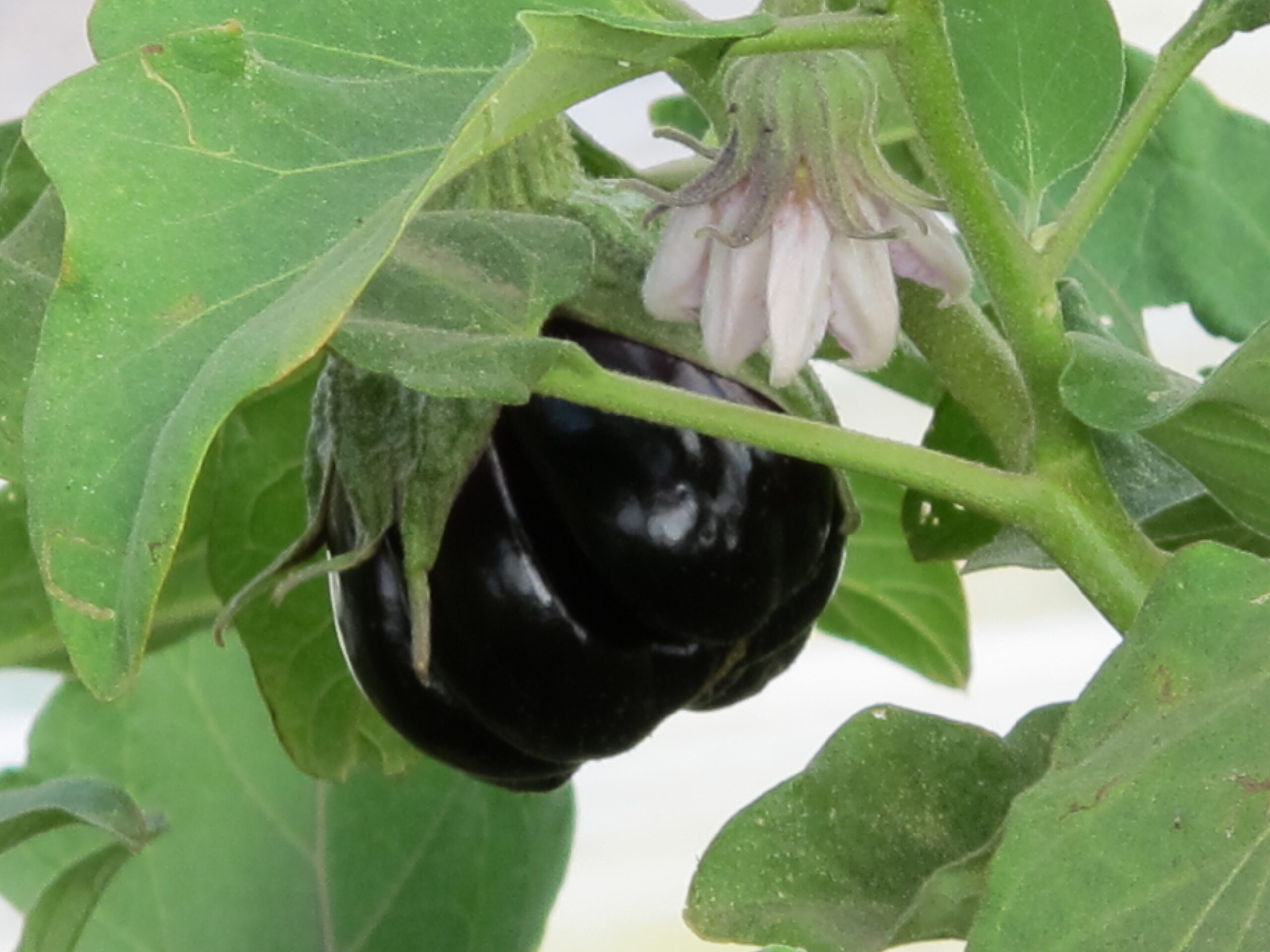
Eggplant: May we try and succeed to see the light, whiteness and faint but beautiful purple hue within the murky dark that hides the soft insides.
Pumpkin: May we allow ourselves to let go and allow the good fairy to lead us to the grand ballroom and dance till we drop.
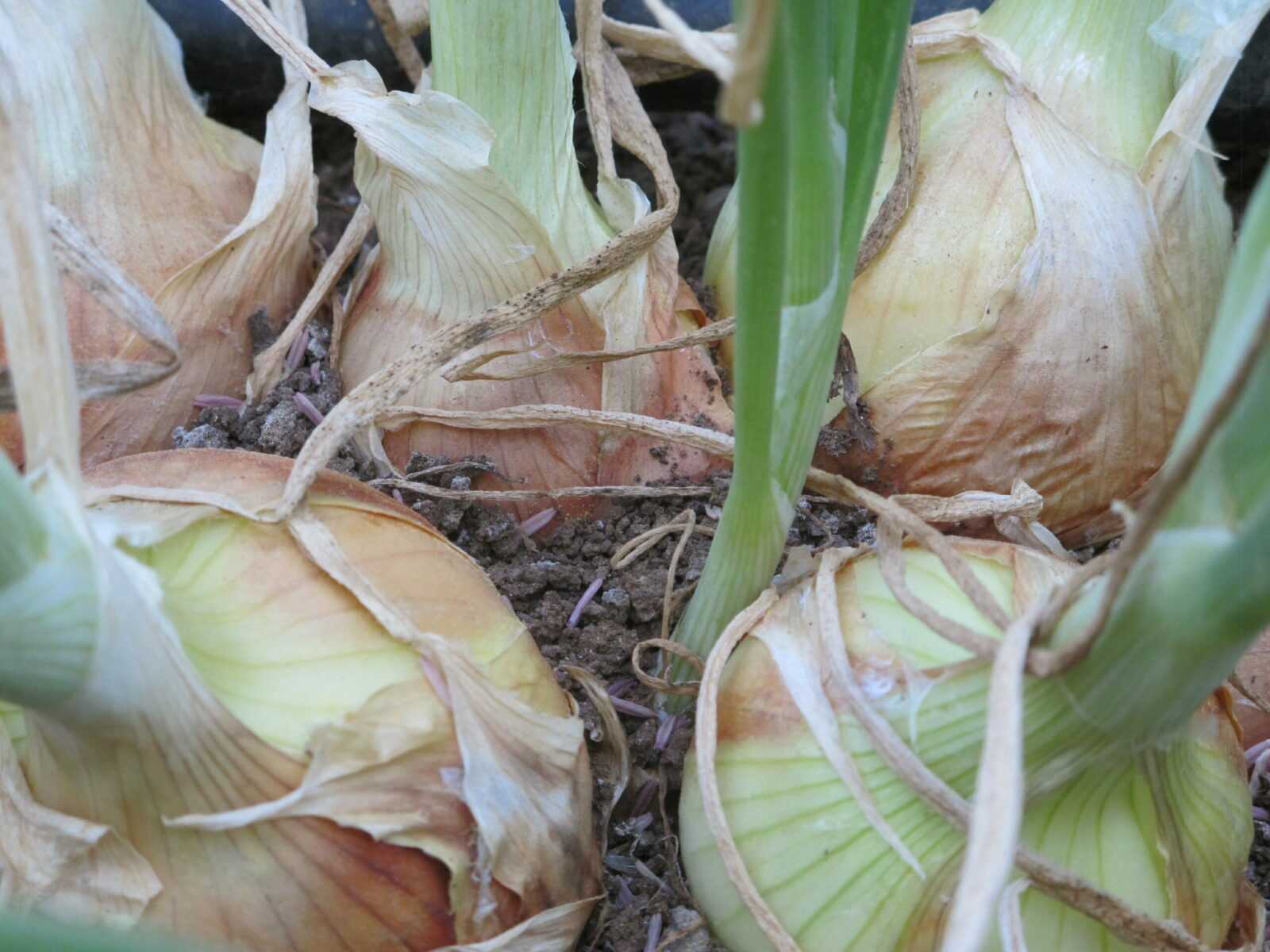
Onion: May we be granted the wisdom to acknowledge the many and varied layers that life is comprised of, that people are made of, and that reality is created from. May we strive to gently, with consent, peel them off, rejoice in the many echelons, and arrive at the sweet heart.
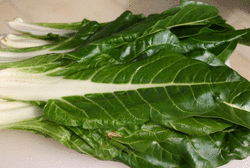
Silka (beet greens, Swiss chard): May we beet off self-doubt and undermining criticism, and may we cultivate a confident, strong, supportive spine as oh-so-stately as the chard’s.

Sweet Potato: May we enjoy sweet surprises that ripen covertly and then burst into life, sweet and full.
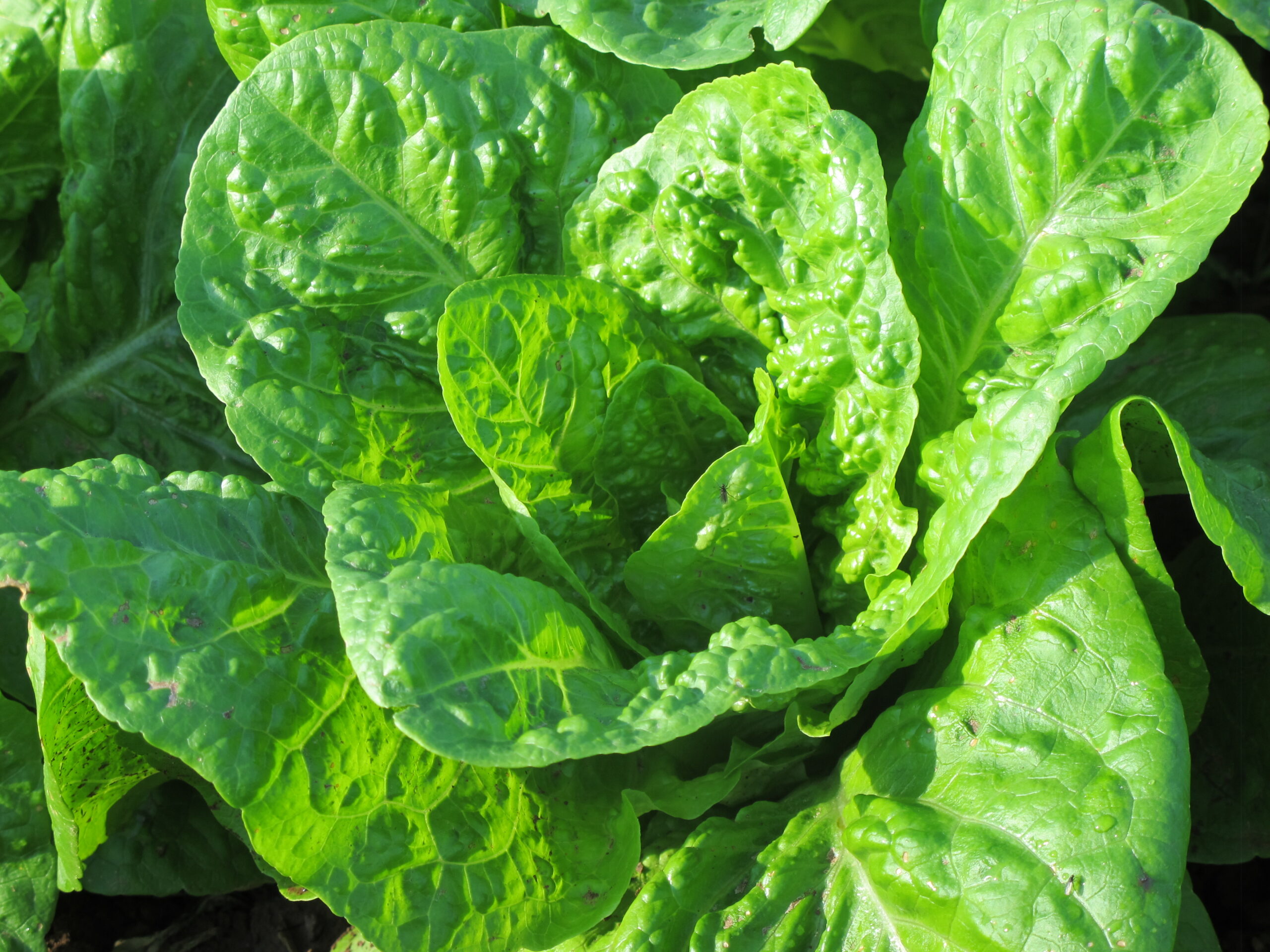
Lettuce: Lettuce know to appreciate and not take for granted the loyalty of those who remain with us, now and forever.
Leek: May we have the patience to grow unhurriedly and diligently, and the understanding that sometimes, in order to reach ripeness, one must grow very slowly. And spring no leeks. (*leeks take over five months to ripen!)
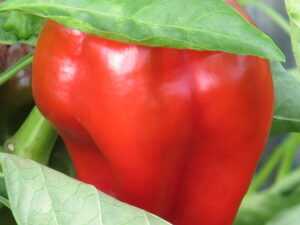
Pepper: May we be blessed with the skill to pepper our speech with just the right phrases, without overdoing it. And when life gets salty, may we stand beside it to add some spice.
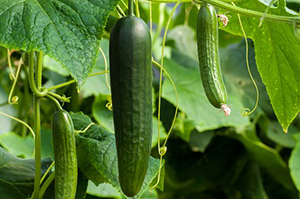


Cucumber: When others are in a dither, may we develop the sensitivity and ability to add just the right tinge of sweetness, as we remain calm, level headed and cool as a cucumber.
Tomato: May our experiences be homegrown, ripened on the vine, full of juice, color and sweetness.
Cherry Tomatoes: May we appreciate the little ones, and remember that sometimes the smallest things are the sweetest, juiciest and most wonderful of all.
Green Herbs: May we always notice fragrances of bloom, ripening, fresh meadows and well-satiated soil. May we stop to fill our lungs with the fragrances and remember to cherish our breathing, so easily overlooked and taken for granted.

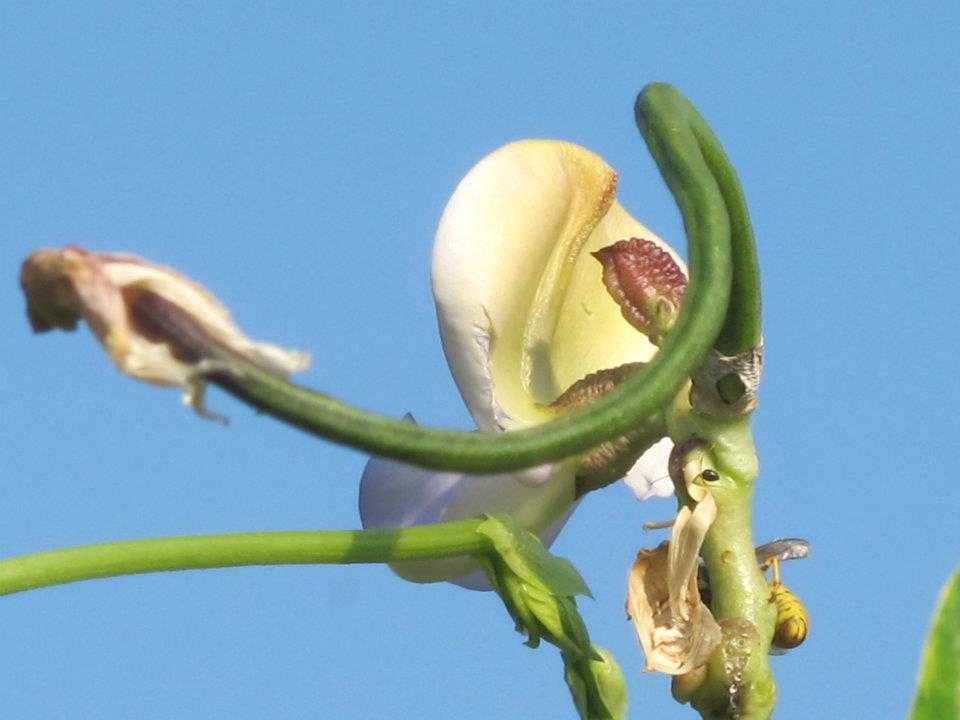
Okra: May we gaze at the stars at least one night every-so-often to feel the lightness of our minuteness and the strength of being part of the vast cosmos. (slice the okra horizontally to see stars)
Lubia/Black-eyed Pea: May our shiners be only from this pea.
Popcorn: May we enjoy a year of happy, humorous and yummy surprises, just like that innocent looking kernel that explodes into a snack to share with others.
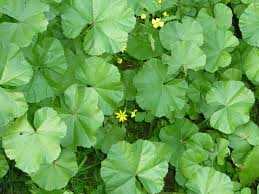
Mallow (chubeza): This September/ may we try to remember / when life was sweet / and oh, so mallow. Renew our days, as of old!
So, here’s to the New Year, to great hopes for positive and good forces, and for wet, wonderful showers to come in due time, in the proper measure and quantity. May they soak the human salad living here in this Land, and the animals crying out for drink, the dusty plants growing grey at the edges, the flying insects, the crawling and leaping creatures, and the rocks and clods of earth. May the blessed rains bring true and steady goodness to all!
Wishing you the best New Year, from all of us at Chubeza!