The Weekly Newsletter of Chubeza Farm
THANK YOU!!
We’re delighted to share the expanded product selection from both Agro Café and Shoreshei Tzion:
Agro Café has added whole coffee beans, plus ground beans for espresso and moka pot. These items proudly join Agro Café’s ground coffee for Turkish-style coffee. All three coffee blends are organic, free of pesticides, and purchased under fair‑trade conditions that ensure small farms receive dignified, proper livelihoods.
Now joining Shoreshai Tzion’s rich product line available from Chubeza are: peanut butter, chili‑seasoned cashews, two types of granola from the Earthbaked series – slow‑baked and gluten‑free: ketogenic granola and maple‑and‑peanut‑butter granola, plus a new chocolate made from 100% raw organic cacao and tiger nuts.
Treat yourselves to these yummy and healthy products today – and enjoy!


In recent months, you’ve seen a parade of lovely lettuce varieties starring in your Chubeza boxes: smaller ones, larger ones, and even red, curly and other very distinctive lettuces. Of course, they are always accompanied by the familiar, beloved green romaine (“Arabic”) lettuce. True, opinions about lettuce are divided – some see lettuce as a mere decoration, meant to be pushed aside to reach the Real Food, and that filling a salad bowl with lettuce is downright deceptive: the bowl looks full thanks to the mounds of lettuce, but the dish is actually just empty fare. (The nerve!) So, to uproot the notion that lettuce is actually Styrofoam disguised as a vegetable, we proudly dedicate this week’s Newsletter in praise of lettuce.
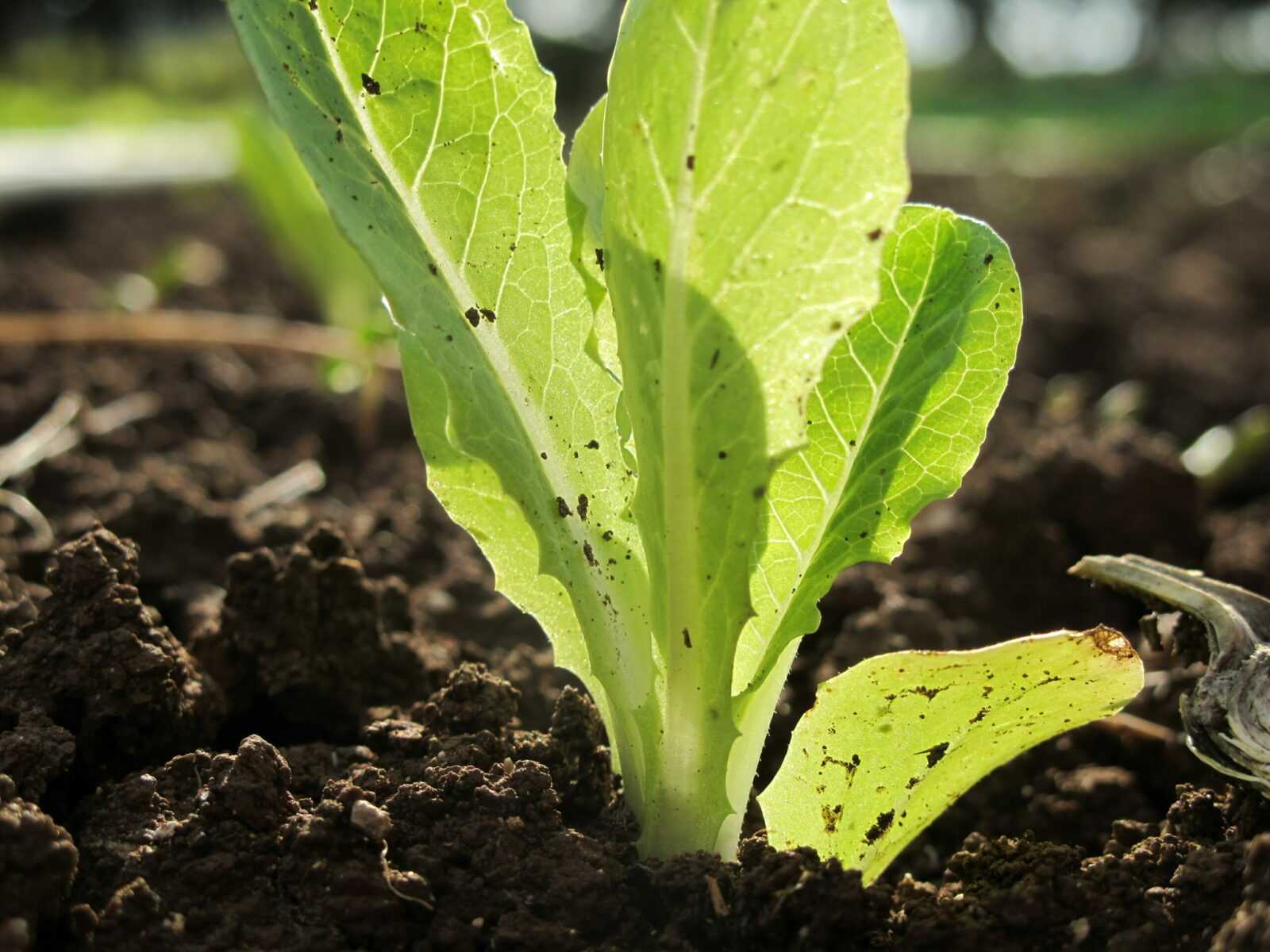

Lettuce in English and Laitue in French both stem from the Latin Lactuca, loosely translated as “dairy,” because when you cut open the core, it secretes a lactic resin. Today we know that this milky liquid, whose scent resembles opium, contains alkaloids and that all lettuce varieties are narcotic to some extent. Some claim that eating large quantities of lettuce can cause confusion or even loss of consciousness. But in reasonable amounts, lettuce soothes the digestive tract, eases pain and encourages sleep.
The Romans and Greeks valued lettuce for these medicinal qualities and ate it at the end of a meal to drift soothingly into a dreamy after‑meal nap. Hippocrates, the father of medicine, believed that lettuce improved health. The physician of the Roman emperor Augustus endeared this healthy vegetable to the Romans and their successors, who believed it could regulate bowel movements in the young and promote restful sleep amongst the elderly.
A warm extract made from lettuce leaves can curb a cough and help suppress asthma attacks and bronchial spasms. In folk medicine, a potion brewed from lettuce leaves was used to ease coughing and soothe skin irritations. Eating lettuce leaves or drinking lettuce seed brew was used to treat eye inflammation, kidney and liver inflammation, and stomach aches. Lettuce is rich in water, preventing thirst and encouraging urination. Lettuce leaves are recommended for nursing mothers to boost lactation. Nissim Krispil writes that lettuce benefits those suffering from anemia, hair loss, constipation, liver dysfunction, and insomnia.
Green lettuces are rich in vitamins A and K, B‑group vitamins including folic acid, and contain small amounts of vitamin C, calcium, potassium, and iron. Dark‑leaf lettuces are a source of the antioxidant lutein, which supports eye health. Purple lettuce contains anthocyanins, antioxidants that help slow aging processes.
Cultivated lettuce does not resemble its wild relatives (unlike hyssop or sage, for example, which you can easily find on a picnic in the Jerusalem hills, looking very similar to the ones in your garden). It’s unclear when cultivated lettuce first appeared in the world, but archaeological findings suggest that ancient Egyptian gardeners began modifying wild lettuce for a cultivated variety. Years of selecting and cultivating the less‑bitter plants, saving their seeds, and passing them on to the next generation of growers eventually created a plant different from its wild ancestor.
And yet, for the sake of its ancestral merits, salad lettuce retained two ancient traits: when the plant flowers and produces seeds, it becomes bitter and inedible. Stressful growing conditions (such as extreme heat) also produce bitter lettuce. Another trait: lettuce seeds have difficulty germinating when covered with soil. They need light to sprout, so when sowing lettuce, the seeds are covered with only a thin layer of soil – or not at all.
Different species and varieties of lettuce grow wild in Europe, the Mediterranean basin, Asia Minor, and India. Lettuce is thought to have originated in southeastern Europe and western Asia. It was already cultivated and raised by the Chinese and Egyptians in ancient times, where it was honored and respected. The Egyptians saw it as a plant brimming with vitality and dedicated it to Min, the god of fertility. The Persians, who viewed lettuce as a delicacy, made it a dish for kings.

In the Bible, lettuce is coined maror, the bitter herb on the Passover Seder plate. The sages of the Mishnah list five vegetables that can serve as maror. One variety, cḥasa, is identified with the leafy vegetable we know today (Pesachim 39a). Some suggest it is named for God’s mercy (cḥas) on the Israelites, but it is more likely the opposite: the Aramaic verb cḥas resembles the Arabic khass, meaning something unpleasant or repulsive (the source of the Hebrew slang ikhsa) It’s also possible that lettuce received its name from the bitter, uninviting taste associated with maror, rather than from compassion or mercy.
Choosing modern-day lettuce as maror somewhat misses the point of unpleasant bitterness, because after years of careful selection, the lettuce varieties we now eat are usually sweet and yummy… but tradition is tradition. From this same source, the modern Hebrew name chasa for lettuce was renewed. There are nearly a hundred milky‑sapped plants belonging to the genus Lactuca, mostly in the northern hemisphere. Most can be used only for decoration, as they range from very bitter to poisonous and inedible. Only one species, Lactuca sativa, includes all the lettuce varieties we eat.
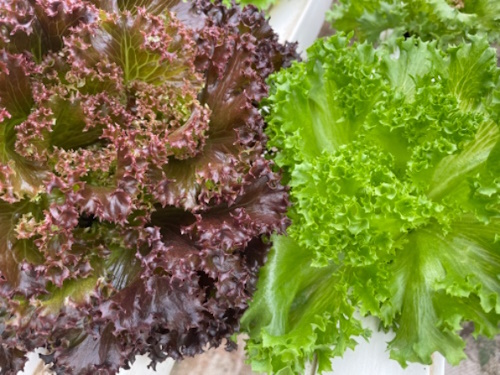
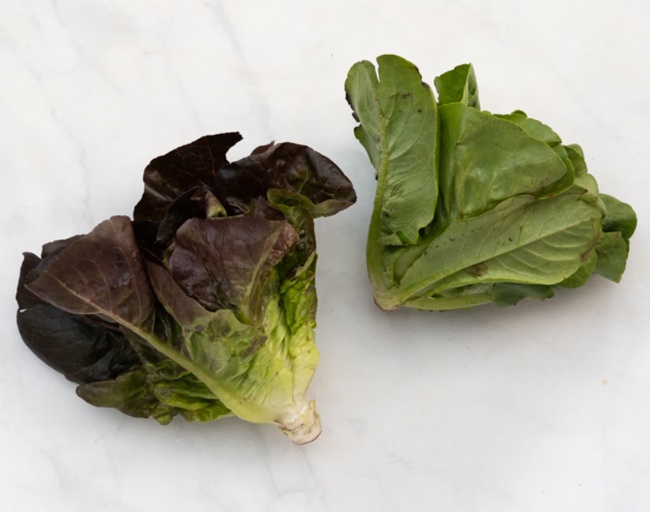
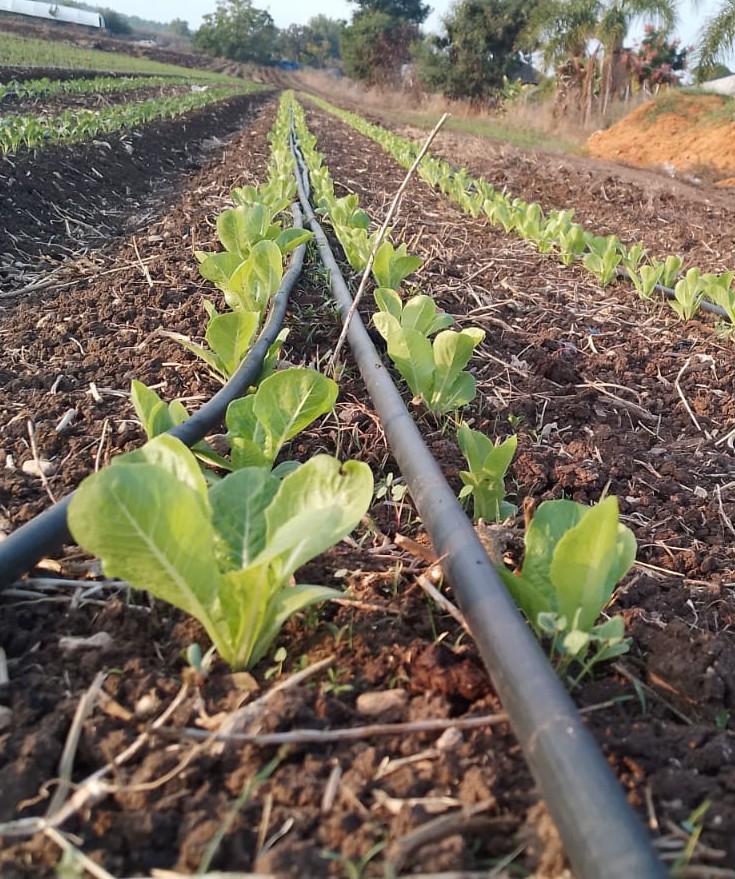
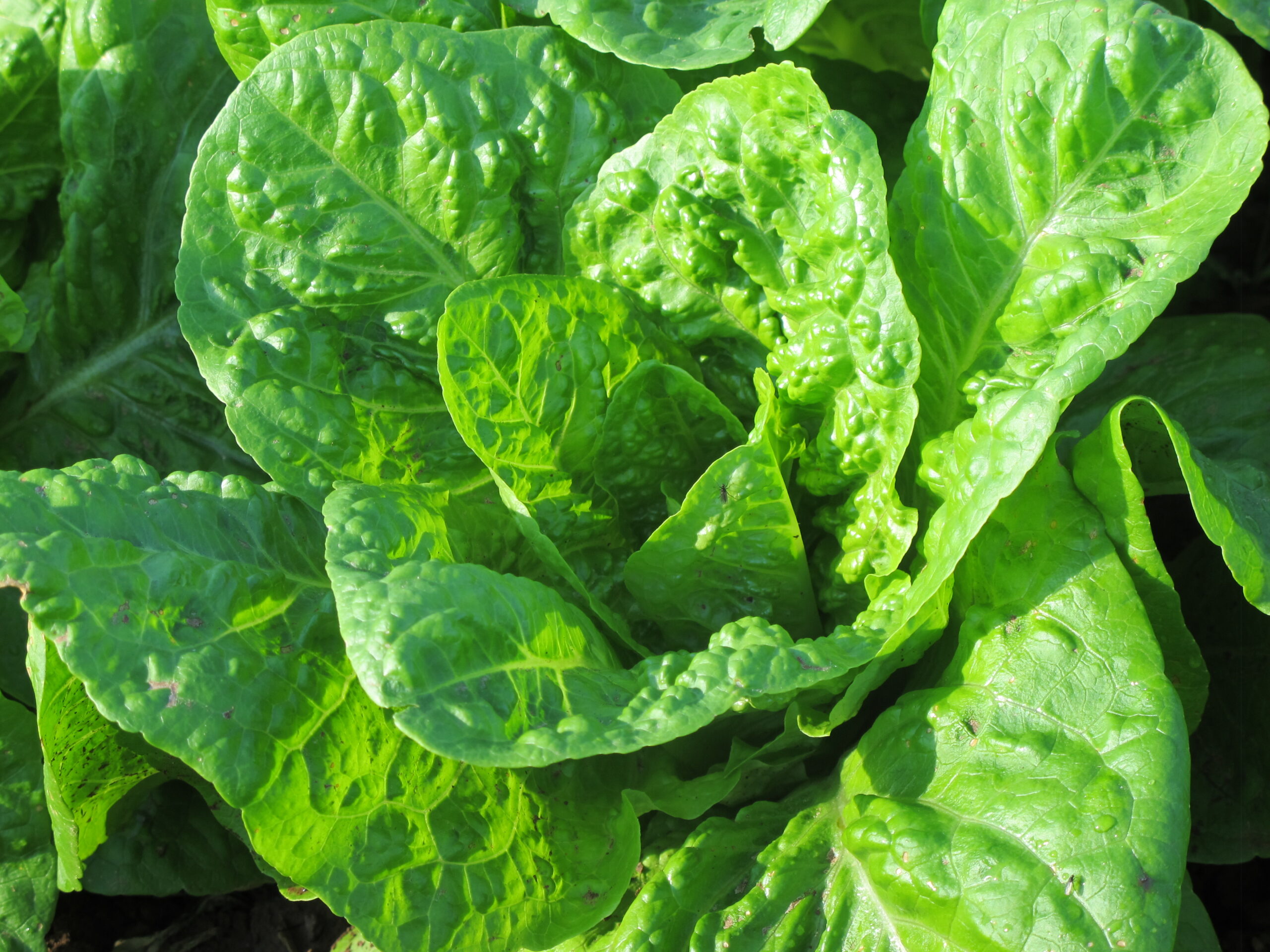
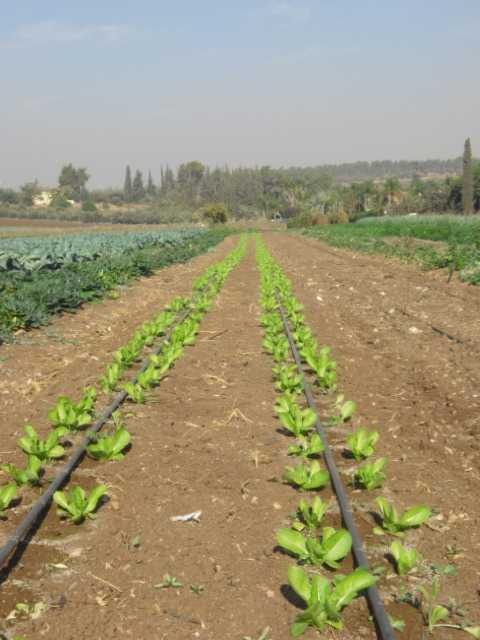
The most common lettuce variety in Israel has long, upright leaves. In Israel it’s called “Arabic lettuce,” because it was first cultivated in ancient Egypt some 4,000 years ago. Elsewhere it is called romaine lettuce, in tribute to the Romans and Greeks who brought it to Europe and from there to the rest of the world. Romaine lettuce grows year‑round in Israel. Each season we plant the varieties best suited to cold or heat. Although lettuce is consistent and resilient, thriving in winter and summer, it still needs support and protection. Usually we grow it in Chubeza’s open fields, but in winter we shelter it in greenhouse. Some winter lettuce cycles grow in net houses and others in plastic tunnels.
In summer we spread shade nets over the lettuce plants to protect them from heat stress. Red lettuces, curly lettuces, and iceberg lettuce are much more delicate and only agree to grow in autumn or spring. Additional newer and very special lettuce varieties we grew this fall and spring include:
Little Gem lettuce – as its name suggests, a small, beloved gem. It originated in France and is a hybrid between romaine hearts and butterhead lettuce. Little Gem’s leaves are tender and juicy, and their tight structure creates small pockets that skillfully hold dressing.
Lalique lettuce – sporting green leaves, very curly and crisp, and truly crunchy. Lalique is considered a kind of open iceberg lettuce, as its leaves indeed resemble iceberg in texture and sweet flavor. Its crispness also boosts it to stay fresh for a long time.
So, although lettuce is a regular guest, don’t take her for granted! Give her a little rub of appreciation and tell her that although she’s almost always there for us, you’re always happy to see her every week! Rest assured, she will reward you generously.
Chubeza’s recipe section is full of surprising lettuce recipes. Take a look!
Wishing you all a good week. May we appreciate the steady gifts that are always with us!
Alon, Bat-Ami, Dror, Einat and the entire Chubeza team