The Weekly Newsletter of Chubeza Farm
THANK YOU!!
CHANGES IN CHUBEZA’S DELIVERY SCHEDULE FOR THE UPCOMING HOLIDAYS:
This year’s delivery schedule is particularly complex. We have sent each of you a personal message giving the specific dates that your Chubeza boxes will be delivered. If you have any questions, please contact us!
THE WEEK OF ROSH HASHANA:
Monday deliveries (and part of the Wednesday delivery areas) will arrive on Sunday, September 21st.
THE WEEK OF YOM KIPPUR:
Monday, September 29th - Regular delivery (unless you’ve been informed otherwise)
Wednesday deliveries will be moved to Tuesday, September 30th
THE WEEK THAT SUKKOT BEGINS:
Monday deliveries (and certain Wednesday delivery areas) will arrive on Sunday, October 5th
THE WEEK OF SIMCHAT TORAH:
Wednesday deliveries (and certain Monday delivery areas) will arrive on Wednesday, October 15th
TO INCREASE THE CONTENT OF YOUR BOXES FOR THE HOLIDAYS, CONTACT US ASAP!
______________________________
OPEN DAY 2025:
IN THE GRAND CHUBEZA TRADITION, WE ARE DELIGHTED TO INVITE YOU TO COME CELEBRATE CHUBEZA’S “OPEN DAY IN THE FIELD” FESTIVITIES, SUNDAY, OCTOBER 12th, THE FIFTH DAY OF CHOL HAMOED, BETWEEN 13:00 – 17:00.
Chubeza’s Open Day gives us all the opportunity to meet, take a tour of the field together, and nosh on super-fresh veggies and other yummies. For children, there are special kiddie tours tailor-made for little feet and curious minds, arts and crafts projects, and wide-open spaces (for big people, too) to run free.
Before you head for Chubeza, be sure and check out the updated travel instructions on our website under "Contact Us."
CHAG SAMEACH! LOOKING FORWARD TO SEEING YOU ALL ON CHUBEZA’S OPEN DAY!
In Jewish tradition, there are, in fact, four new years: (Nissan, Elul, Tishrei and Shvat) with each ‘new year’ serving a different purpose: The month of Tishrei is our very own Rosh Hashana – for the farmers growing vegetables in the fields.
The perfect logic of this timing is something we actually can feel. Our bodies, which sweltered over the long, exhausting summer days, are softening and cooling down a bit, basking (at certain hours) in the lower temperatures. The earlier sunsets shorten the daylight hours in the field.
Autumn is when the year changes in the field - Summer crops are reaching their end, while autumn plantings are already acclimating in the field, awaiting the first rains to give the signal. Indeed, the sky is changing before the farmers’ eyes.
Along with these winds of change come hopes and prayers for a blessed, fruitful and rain-abundant year of healing and comfort, growth and life. These hopes are tangibly expressed on the Rosh Hashana holiday table, through the blessings over symbolic foods.
The Talmudic sage Abaye (who was probably in charge of the Holiday Food Column) is the inventor of the symbolic dishes for the Talmudic table: “Said Abaye: Now that you have mentioned that the siman has significance, every Rosh Hashanah, one should eat a pumpkin, lubia, leeks, beet greens and dates.” (Masechet Kritot 6a)
The symbolic foods of these Simanim express the seasonality and diversity that the holiday table offers, bringing together guests of all kinds: from the leafy greens (Swiss chard), legumes (lubia beans), the princess of onions (leek) and the gourds. Plus, of course, the pomegranate and dates, apples, honey and fish – all showcasing the bounty that this blessed land naturally provides each season.
And as we sit ‘round the festive table, reflecting upon the past and looking to the future – the year that was (and what we hope will not continue) and the new year ahead (and what we hope it will bring) – the Rosh Hashana meal invites us to pause in the present to eat something that is in fact here and now, being harvested in our fields.
Together with all that was and all that will be, we can experience what is now on the tip of our tongues and taste buds, crunching in our mouths, as we lick our lips in pleasure, remembering that despite the challenges, pain, hardship and fear, we are surrounded by so much growth, abundance and potential goodness. We must never stop hoping and working to make that goodness a reality.
In keeping with the ancient Chubeza tradition – each year we try to fill your boxes with all the simanim available in our field, and join their wishes to you for a good and blessed year!
Blessings-from-the-Chubeza-Box, Rosh Hashana 5786
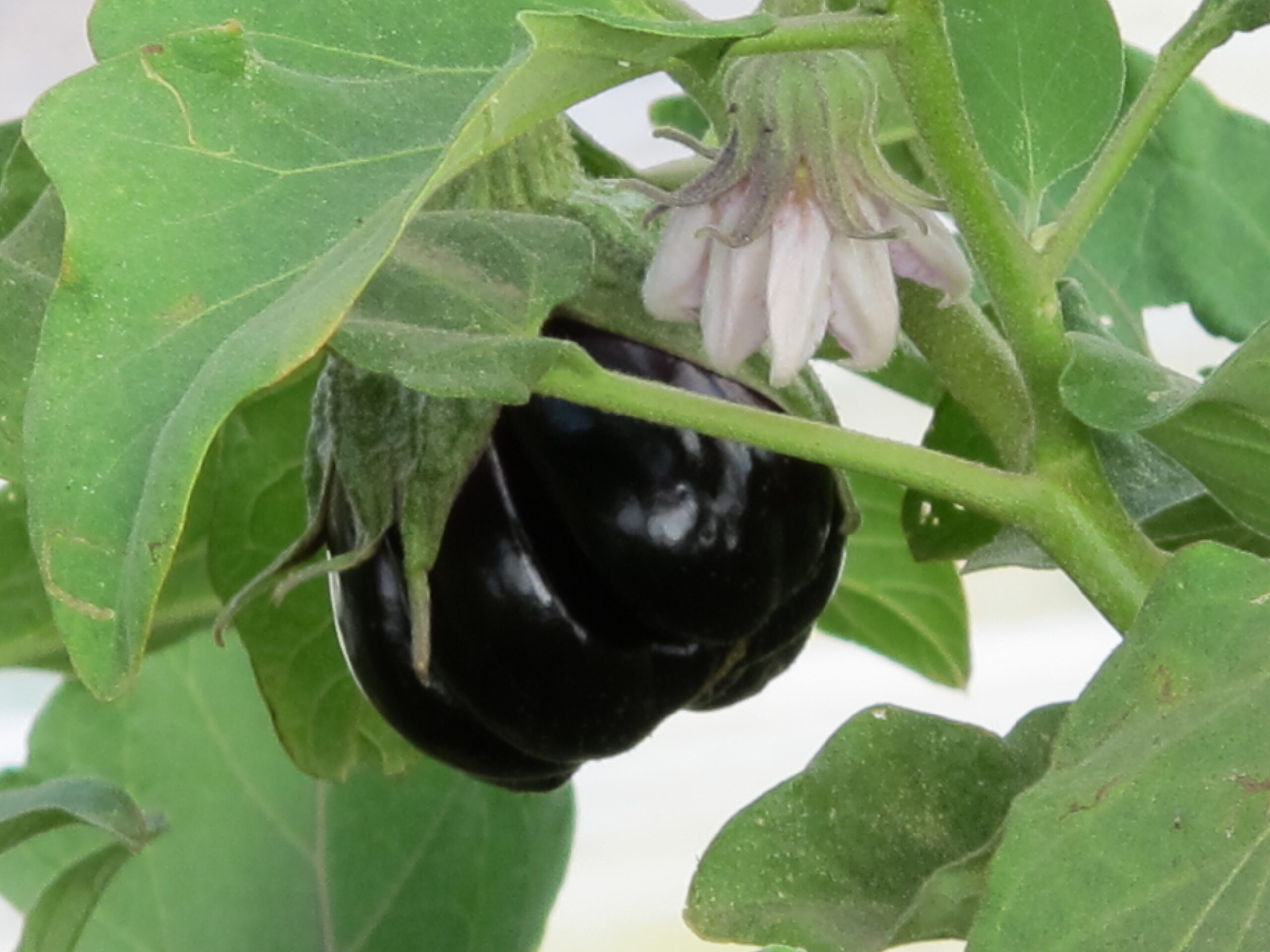
Eggplant: May we succeed to see the light, clarity and faint but beautiful hue of gentleness hidden beneath the murky dark skin concealing the inner softness.
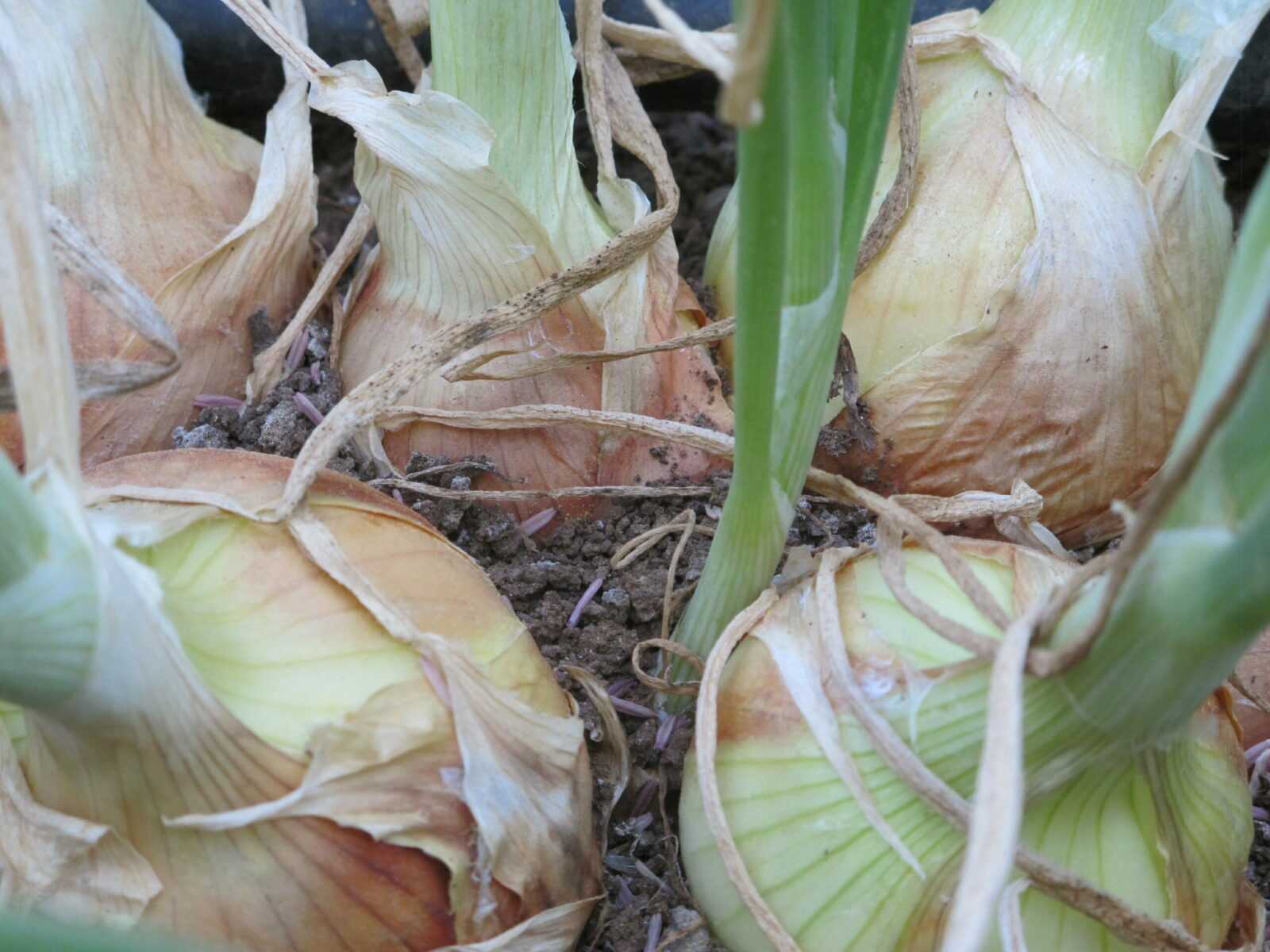
Onion: May we be granted the wisdom to recognize the many and varied layers from which life is built – the layers that make people shape reality. May we strive to gently and willingly peel those layers, rejoice in their variety, and reach the sweet heart at the core.
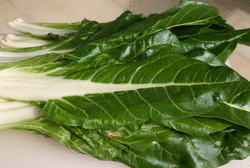
Silka (Beet greens, Swiss chard): May we beet off self-doubt and undermining criticism, and may we cultivate a confident, strong, supportive spine as oh-so-stately as the chard’s.
Pumpkin (Kara –Hebrew for “to tear” ): May we tear up battle orders and opening-fire protocols to instead write pacts of cooperation and peace.

Potato and Sweet Potato: May we learn to cherish the earth in which joyful, sweet surprises are buried, and grasp that each of us has a place and a right to happiness on this earth.
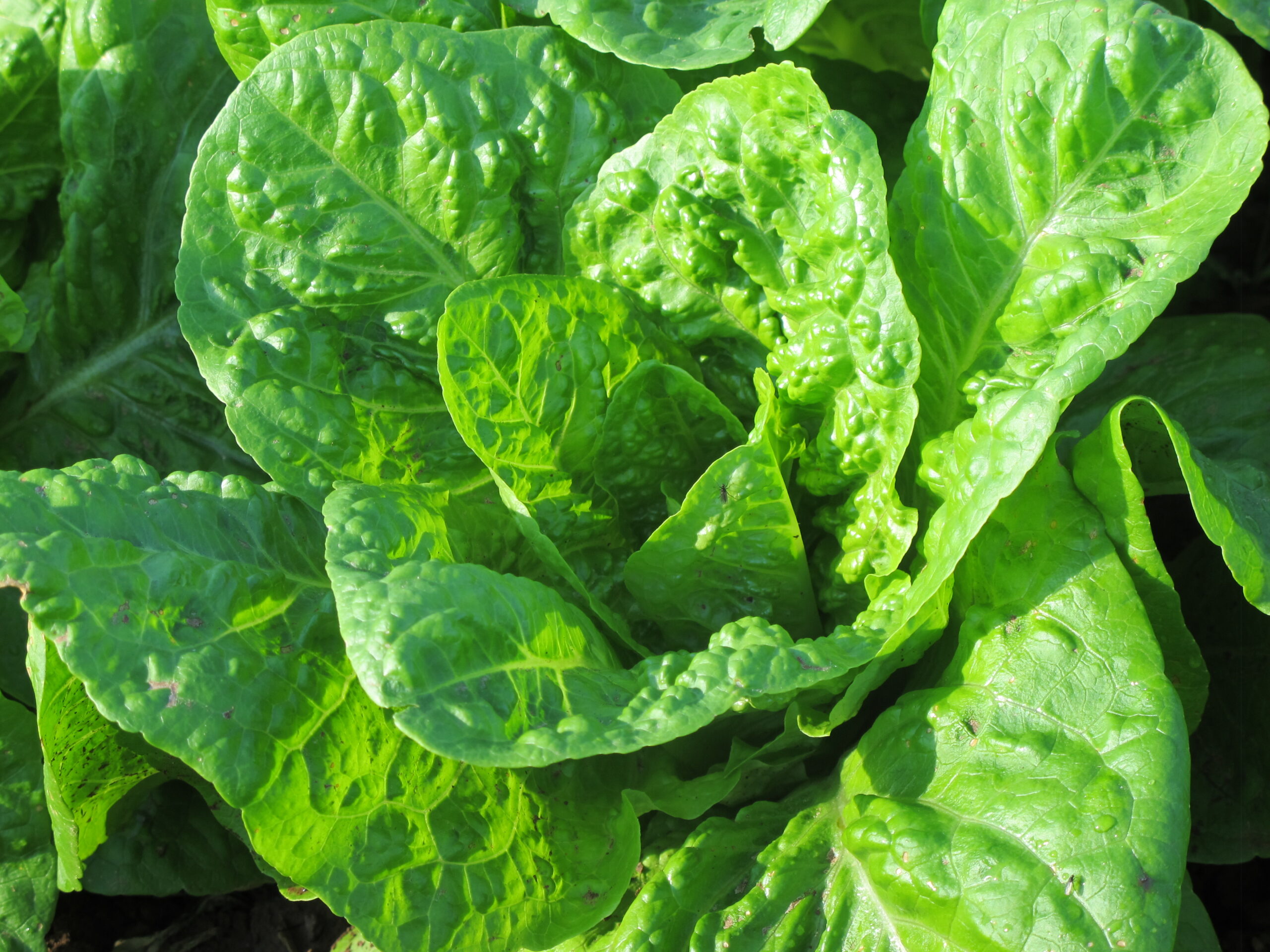
Lettuce: Lettuce have compassion for the weak or needy. Lettuce know how to find shelter when we ourselves are weak and in need.
Leek: May we have the patience to grow unhurriedly and diligently, and the understanding that to reach ripe, healthy maturity, one must grow very slowly and steadily. And spring no leeks. (*Leeks take a minimum of five months to ripen!)
Pepper: May we be blessed with the skill to pepper our speech with just the right phrases, without overdoing it. And when life gets bland, may we be ready to add some spice.
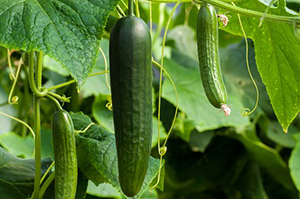


Cucumber: When others are in a dither, may we develop the sensitivity and ability to add just the right tinge of sweetness, as we remain calm, level- headed and cool as a cucumber.
Tomato: May our experiences be homegrown, ripened on the vine, full of juice, color and sweetness.
Cherry Tomatoes: May we appreciate and remember that sometimes the smallest things are the sweetest, juiciest and most wonderful of all.
Herbs: May we always notice fragrances of bloom, ripening, fresh meadows and rain-soaked earth. May we stop to deeply inhale these fragrances and remember to cherish our breathing, so easily overlooked and taken for granted.

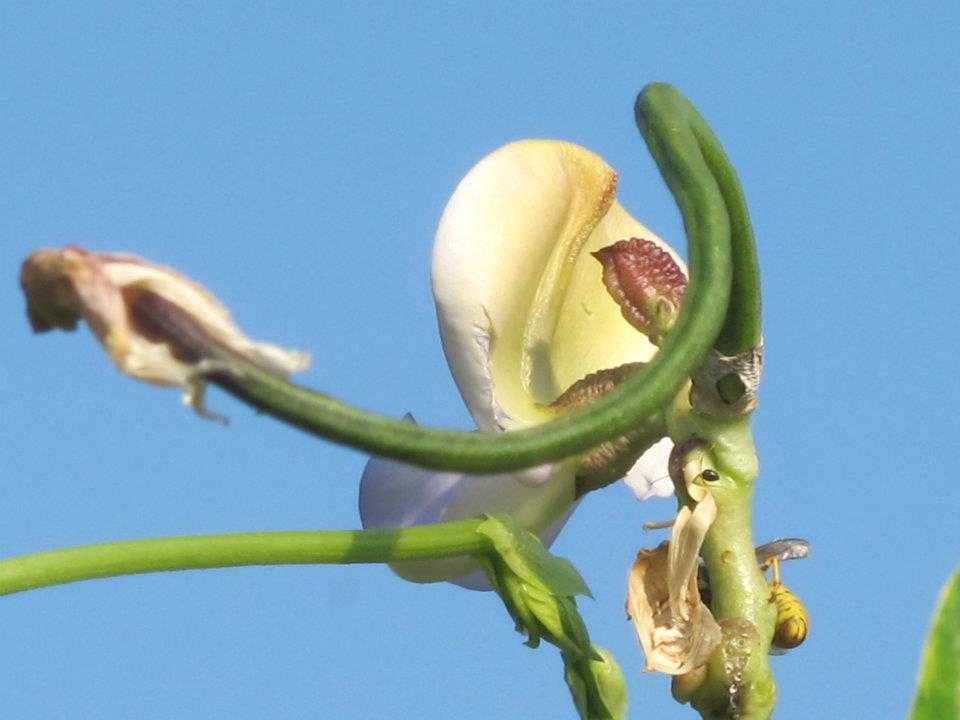
Lubia/Black-eyed Pea: May our shiners be only from this pea.
Okra: May we gaze at the stars often to feel the lightness of our minuteness and the strength of being part of the vast cosmos. (Slice the okra horizontally to see stars!)
Pomegranates: May bountiful seeds of joy multiply in our lives this year.
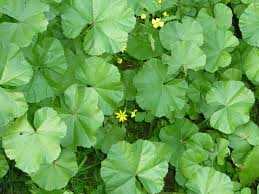
Mallow (chubeza): This September/may we try to remember/when life was sweet/and oh, so mallow. Renew our days, as of old!
Here’s to the New Year, to the fervent hope for wet, abundant showers to come in due time, and in proper measure. May they nourish the human salad of this land, the thirsty animals, dusty plants, flying insects, crawlers and jumpers, and the stones, rocks and clods of wounded earth so deserving of the blessings of rain. May the rains bring along the blessings of tranquility, healing, and peace.
May this year be beautiful and different – A Shana Tova for all!