The Weekly Newsletter of Chubeza Farm
THANK YOU!!
Next week’s Shavuot Holiday delivery changes:
- Monday deliveries will be moved to Tuesday, June 3.
- Wednesday deliveries as usual on Wednesday, June 4.

It’s pumpkin harvest time at Chubeza! Now leading the 2025 Pumpkin Parade to Your Boxes is the giant Neapolitan, sporting its lovely greenish shell and salmon-orange flesh, which we cut into slices; the yummy pear-shaped butternut squash, and the dainty green acorn squash shaped like pinecones.

The acorn squash originated in Mexico and the U.S. where Native Americans had domesticated earlier varieties. Chubeza’s dark green acorn squash, which Americans insist is heart-shaped – though I prefer “pinecone-shaped” – was introduced in 1913 by the Iowa Seed Company, where it arrived from Denmark or North Dakota (there is a controversy about this). The new little squash was received enthusiastically, thanks to its excellent taste, small size and soft peel, which delighted those battling the larger, tougher pumpkins. In the U.S., especially for those dining alone, it made a great, popular serving-for-one or stuffed vegetable dish.

The acorn squash we grow at Chubeza is a blue-and-white Israeli variety developed at the Neve-Yaar research center of the Volcani Institute for Agricultural Research, and registered by the Israeli "Origin Seeds, Ltd." company.
We plant our acorn squash in three rounds. This season’s first seeding began in February when it was still quite chilly, so we covered the seeds and young sprouts in clear plastic to warm up the soil and their growth environment. As the plants grew and the temperatures rose, we removed the plastic. The second round was planted in late March, followed by the final seeding in mid-April. Generally, from seeding to full ripeness takes around three months. We know it’s time to harvest when the acorn’s dark green peel sports a yellow stain, usually elongated. But to make absolutely sure the squash was ripe, we took some early fruits home to test. Just one exciting taste test made it clear that the time had come: the fruit was sweet, ripe and yummy.
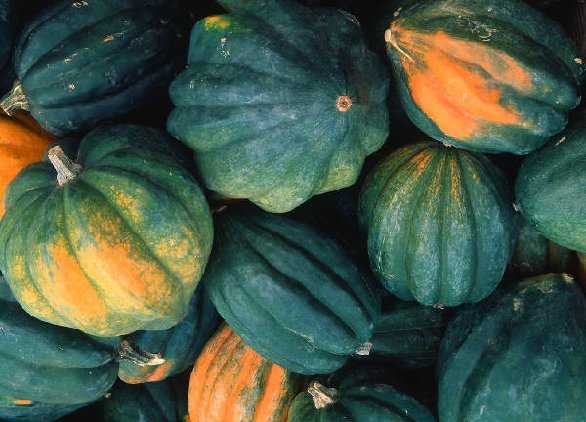
Upon harvesting, acorn squash keeps well for about two months. Not only do they thrive without refrigeration, it is not recommended to store them in the fridge! Instead, give these acorn beauties the chance to look lovely in a decorative dish on the kitchen table or countertop along with their soon-to-arrive Chubeza pumpkin girlfriends. Acorn squash contains more vitamin C and calcium than other pumpkins, but less vitamin A. If treated well, they can last several months while retaining their beauty and taste. However, their flavor will fade over time, so a couple of weeks as decor is plenty. Then into the oven and onto the plate!
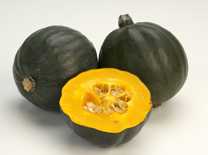
Acorn squash really does taste great. Its flesh is less moist than regular squash or pumpkins, with a delicate sweetness and slightly nutty flavor. Its delectable sweetness enables the acorn to pair wonderfully with savory flavors like olive oil, salt, pepper and herbs, as well as sweeter touches like a gentle brush of honey or date syrup. Their ridged surface makes them a tad tricky to peel, but the good news is that you don’t have to! Acorn squash is delicious in its shell. If you prefer them peeled, remove the shell just after baking or cooking when it slips right off. Enjoy!!
Wishing us all a week of good news and comfort,
Alon, Bat-Ami, Dror, Einat, and the entire Chubeza team