The Weekly Newsletter of Chubeza Farm
THANK YOU!!
I have no other land
Even if my ground is burning
Only one word in Hebrew penetrates
My veins, my soul
With an aching body, a hungry heart
Here is my home
I will not remain silent because my land
Has changed its face
I won’t give up on her
I’ll remind her
And I’ll sing here in her ears
Till she opens her eyes
-Ehud Manor and Corinne Allal
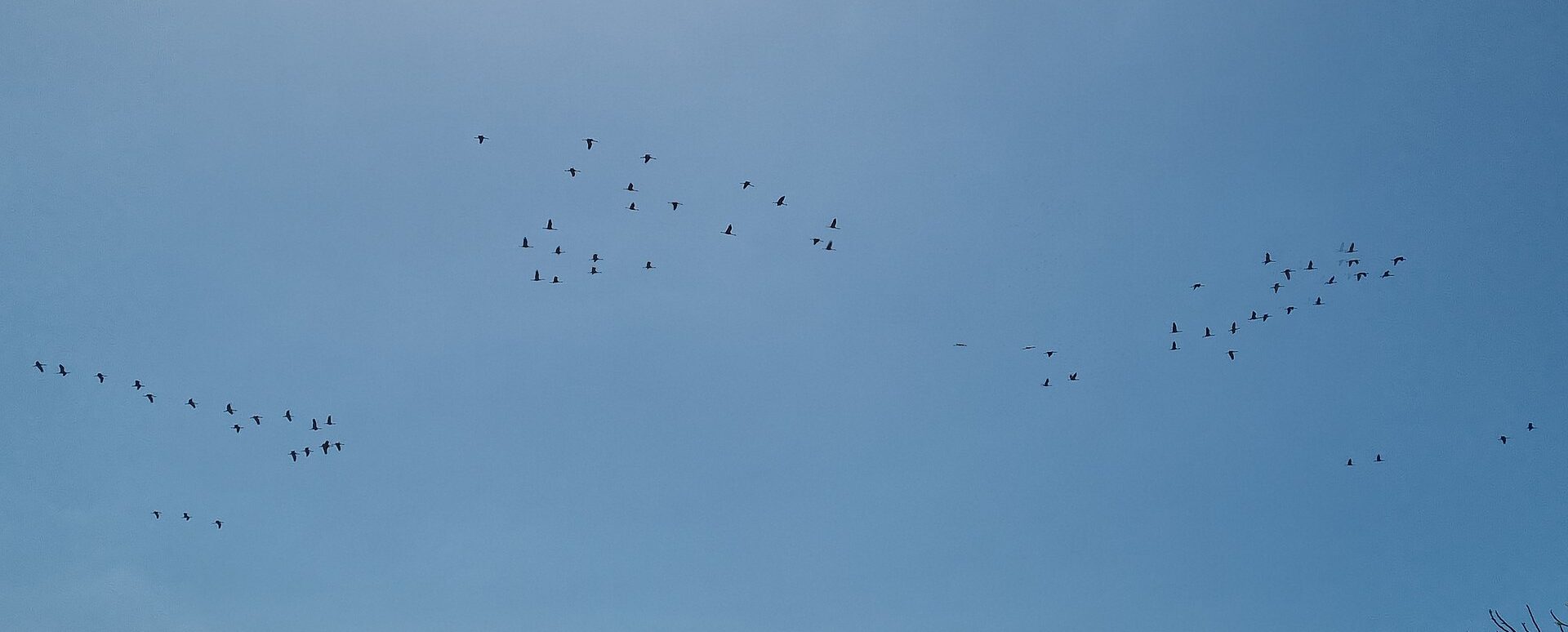
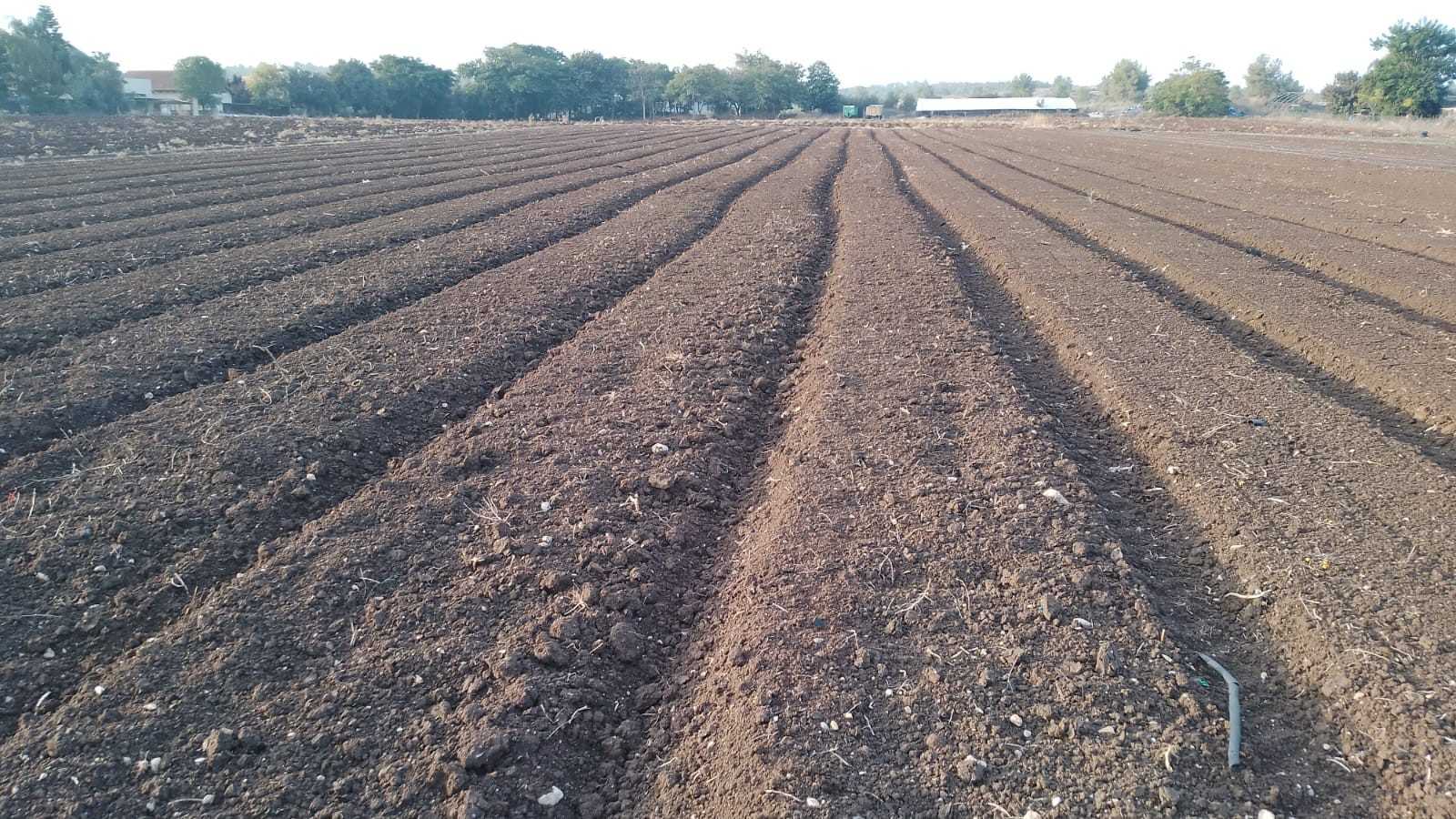
This week, a flock of migrating birds flew over Chubeza’s field. In precise synch, the entire flock then swerved right, left, right again, and left once more, each time descending slightly until they landed in the harvested field, where we’d long since finished growing a crop. The already-tilled soil now awaits new plantings. With great zeal, our bird visitors pecked away between the clumps of earth, absolutely delighted to find the treasures of seeds, insects, worms, and other gourmet bird delicacies.
Einat and I stood mesmerized at the sight, trying to edge closer for a better view. We admired the lively group on this special stopover during their challenging flight journey. Here, instead of resting or chatting, they were energetically jumping, pecking, hopping, and rummaging, accompanied by endless chirps.
Actually, this is not an unusual sight. During spring and autumn, flocks of birds crisscross the skies above our field, migrating north in spring or south in autumn. Their impressive journeys always remind me of the rootedness and groundedness of humans, especially farmers, and even more so, organic farmers.
In my twenties, I also migrated quite a bit, frequently changing apartments and addresses. My typical stay in the same apartment was two years or less. There was something light, mobile, and free about this life. I could pack all my belongings into a few bags and easily move on. When I decided to become a farmer, I realized that this chapter of my life was likely over. Farming innately demands attachment to a place, in the most basic sense of the word. As farmers, our workplace and center of life depend on the piece of land where we grow our produce, with our work revolving around activities in the field. Working "from home" or relocating to another country is not an option. We belong to the land.
As organic farmers, we’re even more connected to and bonded with a specific plot of land. In conventional farming, it’s easier to move on to another plot. Chemical fertilizers can be added in the precise quantities required, and the soil is used (in extreme cases) mainly as a container, such as in hydroponic farming. But in organic farming, we don’t grow plants—we grow soil. We invest in the earth and nurture it to enrich its fertility, its life, and the life it will ultimately foster.
This situation can be seen as restrictive and binding. Yet, while it indeed requires significant commitment, I feel that it also brings immense belonging and connection, sometimes transcending logic. Like the Palestinian concept of Sumud, there is steadfastness and determination—a sense of belonging to the place and clinging to it despite challenges, hardships, pests, fungi, diseases, and the many difficulties we can encounter. Alternately, it must hold lasting hope, patience, endurance, and the ability to envision the next planting cycle, the next season, the better future. Clutching this faith in the future, we nurture our piece of land, care for it, enrich it, and avoid giving up on it by moving to another plot.
We’re called "workers of the land," and in many ways, we are indeed proud workers. We belong to the land.
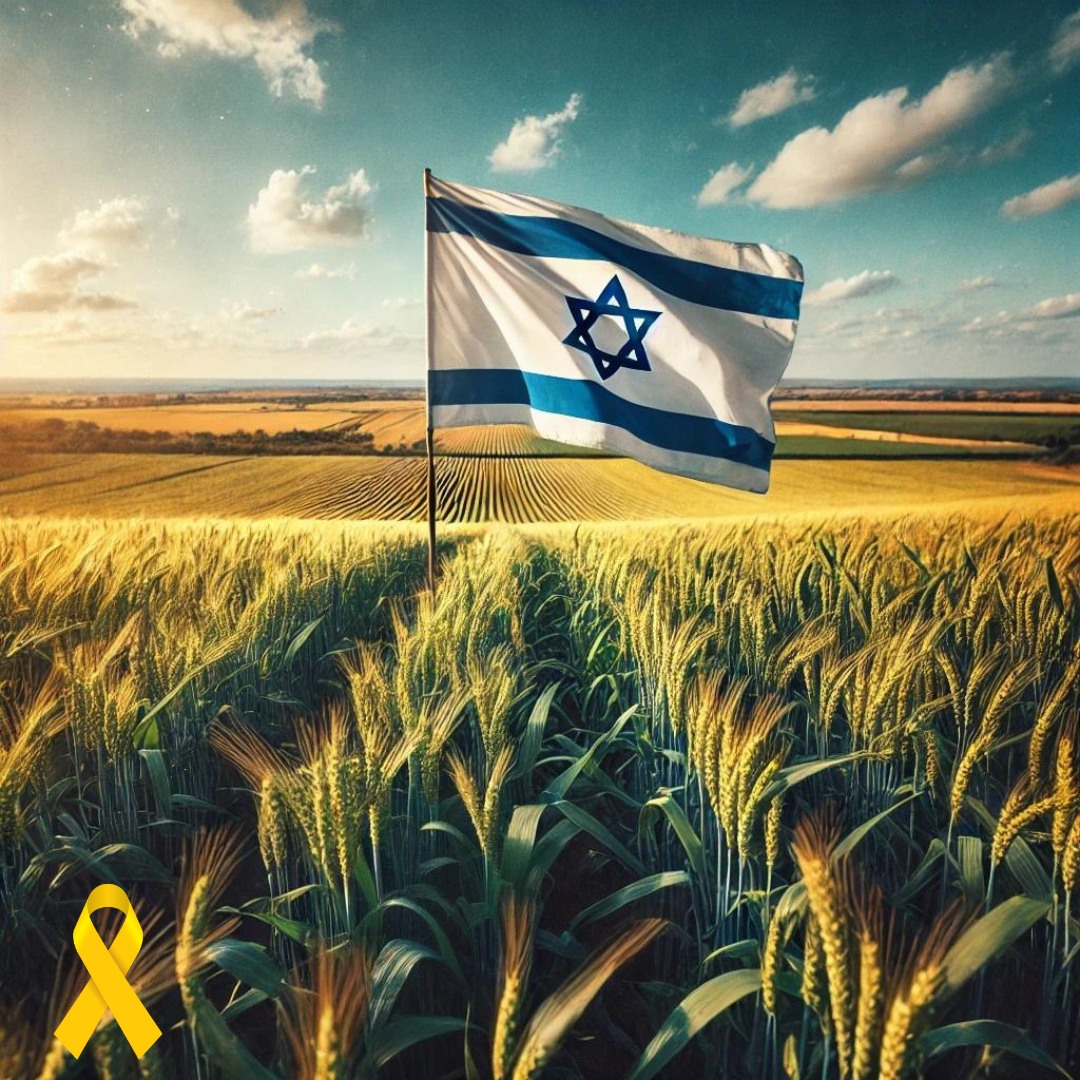
May we all continue to see the horizon, without being silent, without giving up. May we continue to believe that our eyes will open and the future will be brighter. Because this is home.
May the war quickly end and all the hostages return—home.
Alon, Bat-Ami, Dror, Einat, and the entire Chubeza team, lifting our eyes and smiling at the migrating birds in the sky above