The Weekly Newsletter of Chubeza Farm
THANK YOU!!
Looking towards the Festival of Freedom and Spring
Over Chol HaMoed Pesach, there will be no Chubeza deliveries. Instead, we cordially invite you to come visit us! Open Day at Chubeza will take place on Monday afternoon April 14th, between 3:00 PM and 6:00 PM. Come one, come all! Bring the whole family!
*Since there are no Chubeza deliveries over Chol HaMoed, those who receive boxes every two weeks will have a three-week gap. Specific detailed messages will be sent to all who are affected.
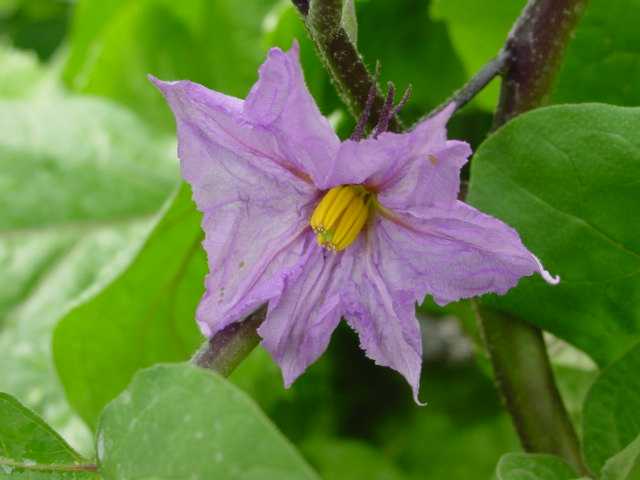
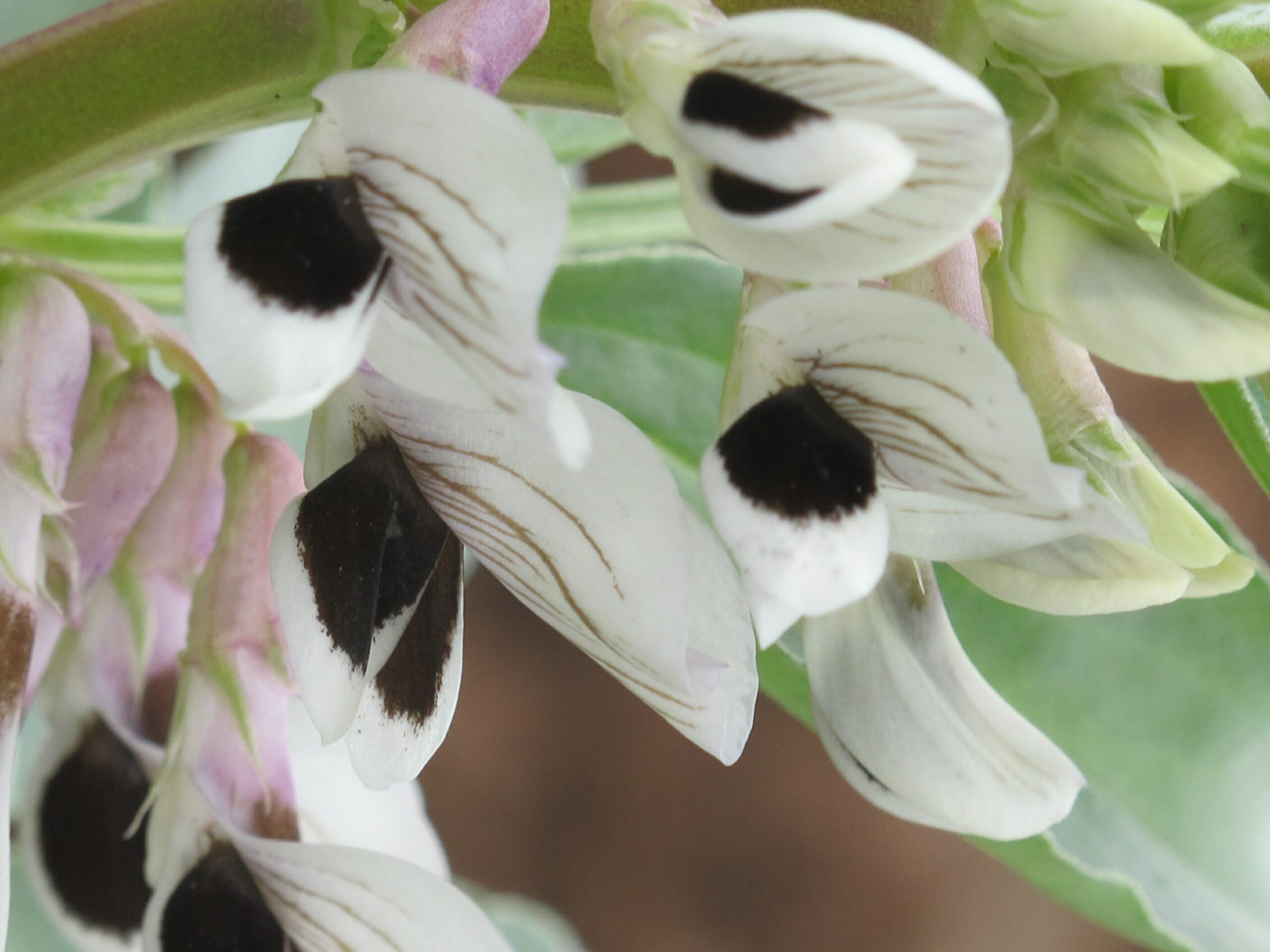

Spring is like a perhaps hand
Spring is like a perhaps hand
(which comes carefully
out of Nowhere) arranging
a window, into which people look (while
people stare
arranging and changing placing
carefully there a strange
thing and a known thing here) and
changing everything carefully
spring is like a perhaps
Hand in a window
(carefully to
and fro moving New and
Old things, while
people stare carefully
moving a perhaps
fraction of flower here placing
an inch of air there) and
without breaking anything.
- E. Cummings
Israeli springtime is short and fickle. Pleasant days turn into rainy ones, followed by heat waves and haze. We’ve experienced all of the above in recent weeks. Since this week is indeed genuinely spring-like and stable (for a few days, at least), it is high time for us to slow down and observe the subtle changes taking place in Nature.
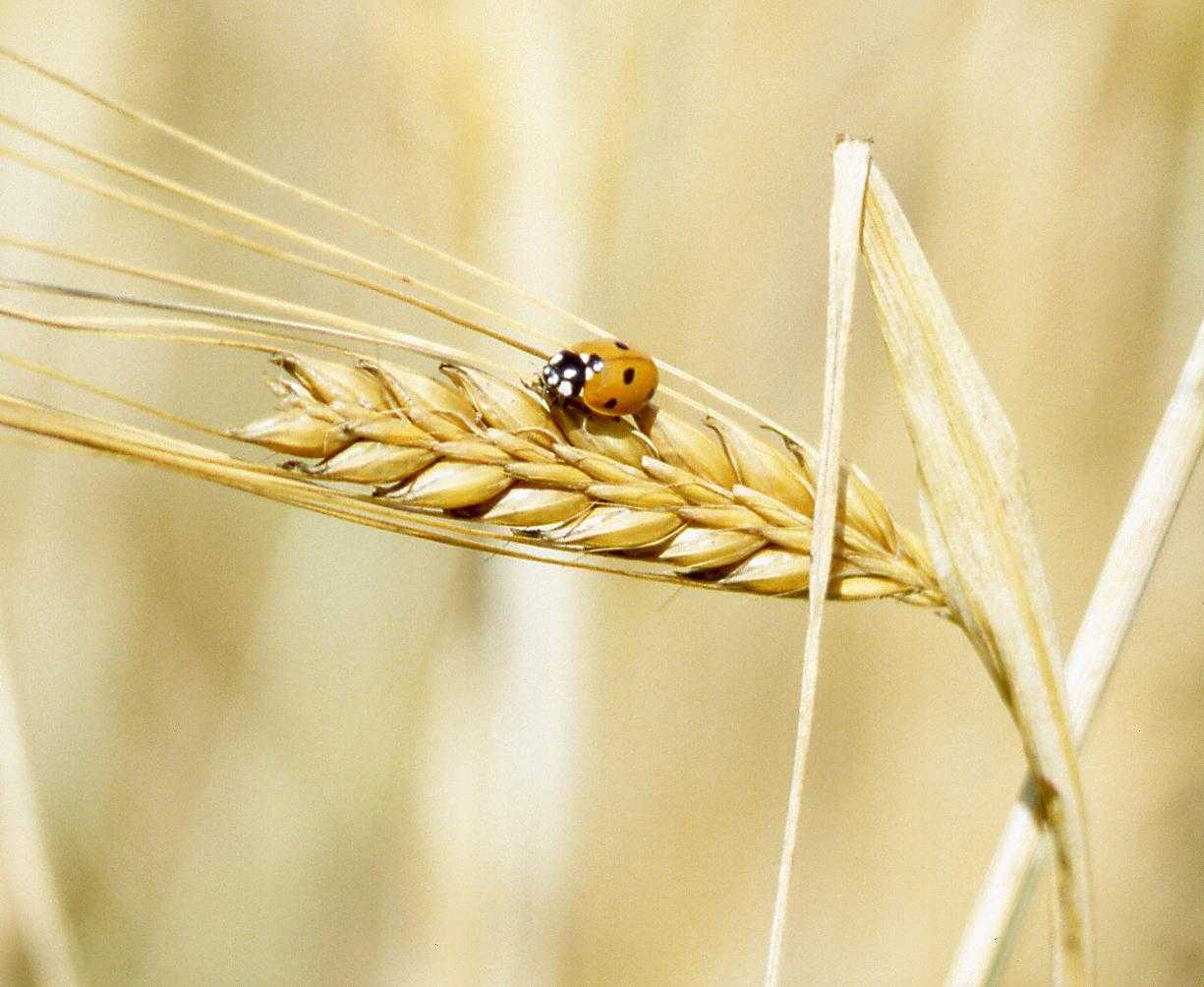
In the Bible, the term spring (aviv in Hebrew) refers to a particular stage in the development of grain: the beginning of the ripening of the stalks, after their stems have hardened. In our region, the first grain to ripen is barley. During the month of aviv, barley reaches the aviv stage of development. This “aviv” of the grain occurs when the rains have diminished, the sun is shining and the temperatures are on the rise, which is how the transitional season between winter and summer became coined Aviv.
In the account of the Ten Plagues prior to the Israelites’ exodus from Egypt, we are told that the plague of hail in Egypt struck the mature flax and barley but not the wheat and spelt, which were still young: "For the barley was in the ear, and the flax was in bud... and the wheat and spelt were not yet grown." (Exodus 9:31).
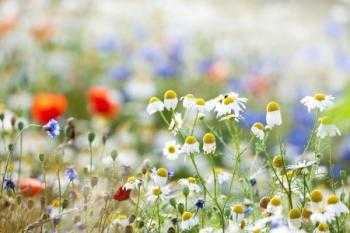
It is possible that the word "Aviv" comes from the word "Av" meaning "father," in the sense of primacy and precedence. Another theory is that the root of "Aviv" suggests a young, fresh plant in blossom, as in expressions like Ibei HaNachal (the young of the stream).
Indeed, blossoming provides the pervading hue of the spring season, as the writer Eliezer Smoli beautifully wrote, “One who traverses Eretz Yisrael during this time of year, whether on foot or by vehicle, will be overwhelmed by a flowering abundance wherever his eye shall turn. Like one vast colorful carpet stretched across the land from the north to the Negev, from the east to the west, mountain and valley, hill and dell, immersed in a profusion of hues covering the spectrum. A true celebration of flowering at this season of the year. Spring in the very fullness of the word.
Yet, the keen-eyed observer of the sea of bloom before him will discern, at the very edges and in the background, a withering that is slowly creeping up. Here and there, bald spots begin to appear. It appears that intentionally and knowingly, the abundance of blooming is concentrated into a short, limited period, for behold, the rains are over and gone and the sun has emerged. The influence of the East overcomes the West, day by day. The rainy season, which fought a daily battle and clung to its dominance, surrendered at last to the sunny days. Upon the horizon, the haze of a heat wave rises, its warmth sweeping over the Jordan and westward, heralding wither and decay.”
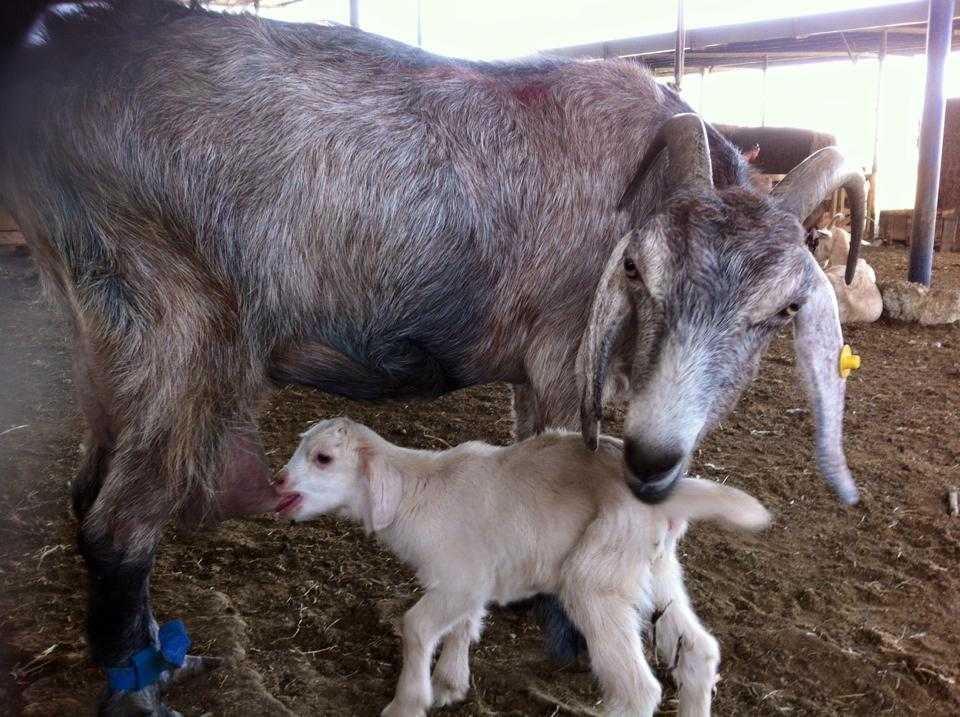
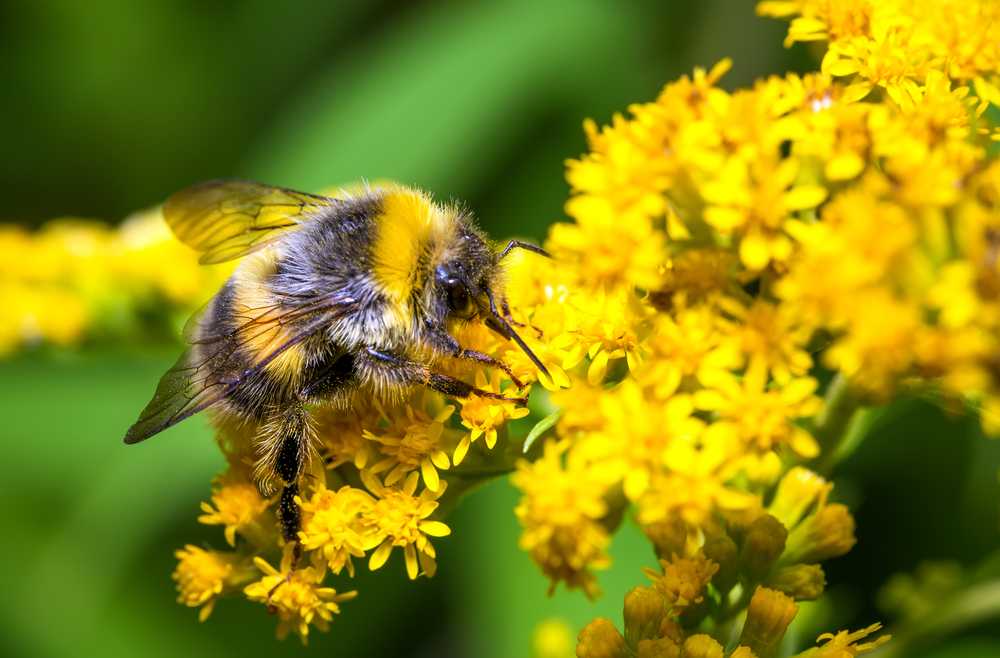
During this period, honey farmers begin preparing for the long-awaited busy season, collecting honey which bees made from the nectar gathered during the blossoming months from winter’s end till now. Even the shepherds celebrated during Passover, when spring abounds, new lambs and kids are born, and milk is abundant. A perfect reason to celebrate, to thank the Almighty for the safe passage of winter, and to pray for a peaceful, secure grazing season for even the youngest of the flock.
Among Bedouin shepherds, the spring tradition is to dedicate the first butter harvest to Mots’aan, the ancestor of the nomadic shepherds. At the start of the milking season, the shepherds use a special leather pouch to store butter made from the first three days’ milk. On the third day, they prepare a festive meal in honor of Mots’aan, ending with the ceremonial partaking of the new butter.
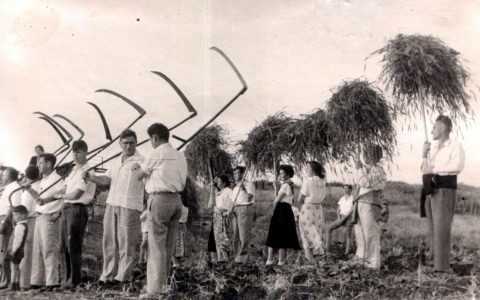
Pesach, the Festival of Spring, ushers in the parade of agricultural festivals in the Land of Israel, as Nisan is the first month of the Hebrew calendar. During this holiday, the farmers are fortified with energy and the many hours of sleep they accumulated over the somewhat slower winter season, allowing them to rest and restore their energy (and forget how hot last summer was…).
After sowing in tears, the barley ripens, signaling that the time has come to reap in joy. At the close of the first Pesach holiday, a traditional celebration was held to mark the start of the barley harvest by the ceremonial offering of the first “Omer” (binding of the sheaves). This ceremony and this season were also accompanied by great apprehension. As the entire season’s crops were about to ripen and become ready for harvest, the volatile weather caused tremendous tension among farmers. In the words of the Yalkut Shimoni, “At Pesach, one will not find simchah (joy) written even once. Why? For at Pesach, the grain yield is judged, and no one knows whether this year’s grain will succeed or fail.”
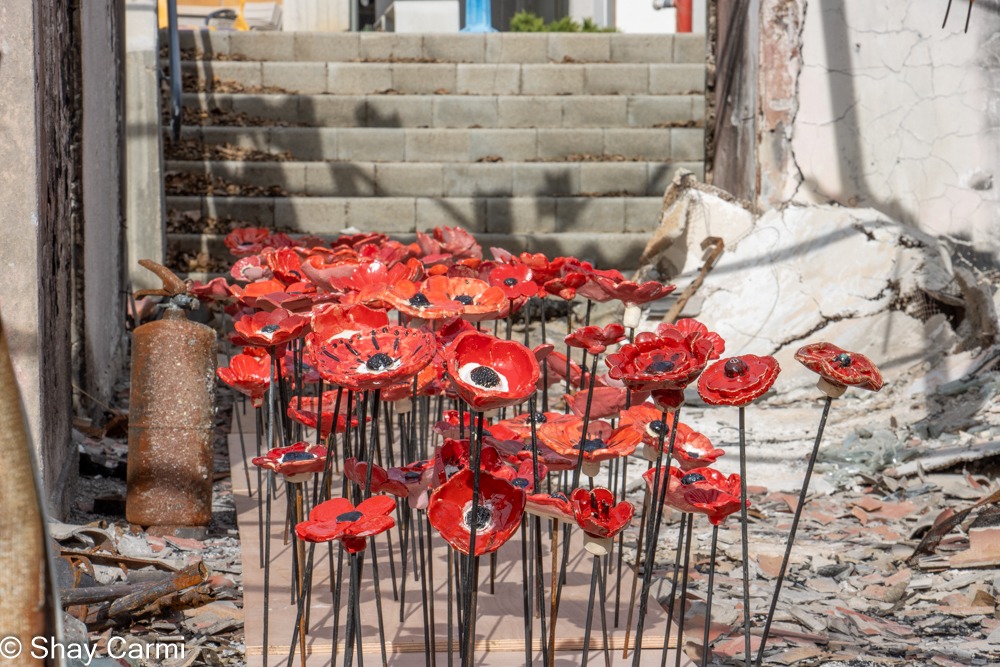
This year, our own tension is greater than ever, with the constant, hopeful anticipation of spring’s tidings—of the return of all the hostages from captivity to freedom and the end of the war.
May this Passover holiday and the season it ushers in be blessed with milk and honey, and abundant produce of the field, bringing freedom, physical and mental health, a genuine opening of hearts, and peace for all.
Alon, Bat-Ami, Dror, Einat, and the entire Chubeza team