The Weekly Newsletter of Chubeza Farm
THANK YOU!!
Over the past few months, Chubeza’s field has been the victim of significant “gnawing damage.” In early summer, we noticed telltale, painful injury to the pumpkins and watermelons, followed by worrisome digging marks in the sweet potato beds. As fall approached, even the cauliflowers became scarred by gnawing marks. Clearly, someone had been digging and devouring our vegetables! With chutzpah, the hungry creatures plowed on to made forays into our greenhouses—and even snack on our tomatoes. They carefully dug under the netting to make their grand entrance. When we placed large stones to block their way, these incredibly rude creatures just moved ‘em aside and came on in again to make themselves at home. Chutzpah!!
Finally, a careful examination of the evidence led us to the clear conclusion that a family of porcupines had discovered Chubeza’s field. Realizing they had struck gold, the invaders happily decided to settle in. Their toothmarks were unmistakably porcupine, and here and there they’d even left us a long, beautiful quill as a souvenir. So, today’s Newsletter is devoted to these very unwelcome creatures and how we’ve been dealing with them. Let’s start with an introduction:
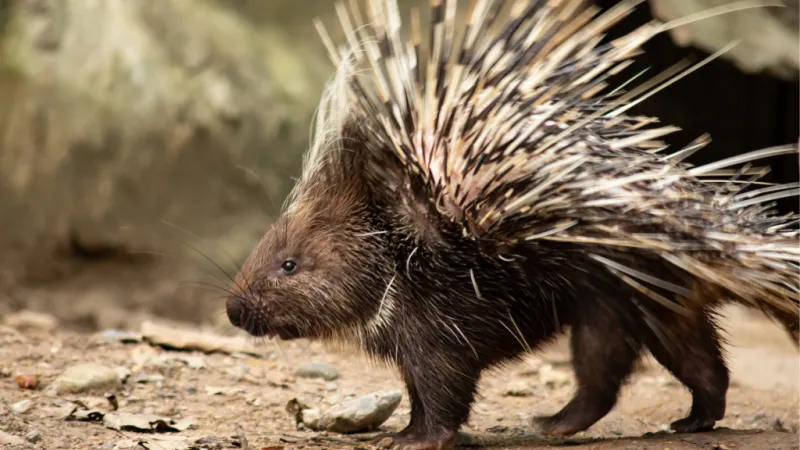
The porcupine we find in the wild (and in the fields...) of Israel is the Indian crested porcupine, also called the Indian porcupine. It’s the largest rodent in Asia—and here too. (Believe me, we’ve seen that in every bite...). Its name designates its body covered in quills. Typically, this porcupine measures about 60–70 centimeters in length, but their giant porcupine cousins can reach up to a meter. Those beautiful black-and-white quills are actually thickened, hardened hairs that morphed into spines. The porcupine uses them mainly for defense. When it senses danger, it spreads and shakes its quills, making a lot of noise and commotion to signal: “I’m big and scary!” Strategy Number 2 for this clever creature: when it sniffs danger with its keen sense of smell, it immediately speeds off to flee the area...
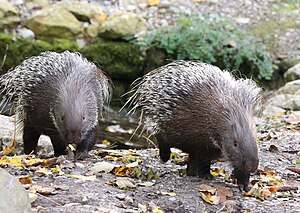
This guy does have a heart--- After he finds his mate, the family-oriented porcupine joins her with persistence and determination to start digging a burrow for the family. Beginning at the entrance and expanding it little by little each night, they burrow downward to the family chamber—an expanded section already 2 meters deep, where the happy family (usually 2 or 3 youngun’s) can reside, protected from the elements—in a prime spot shielded from rain, cold, wind, and heat.
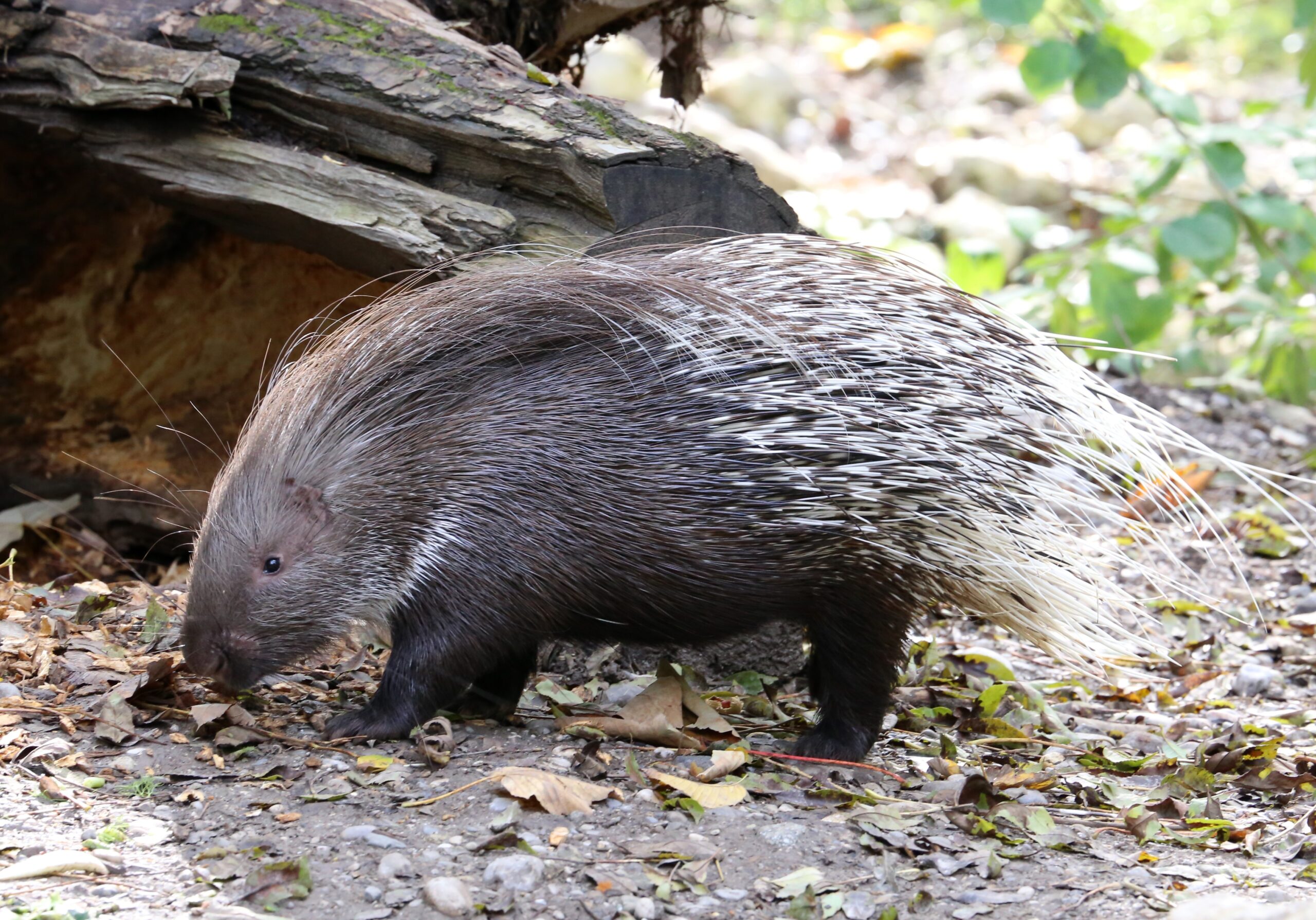
Porcupines are nocturnal. Every night, in pitch dark hours, the couple emerges from their den to forage. Usually, the female leads. If there are young ones, they join their folks and the whole happy family moves together as a group. They eat whatever they find at their low height—usually tubers, roots, and bulbs. In Chubeza, they really hit the jackpot—and just kept on feasting!.
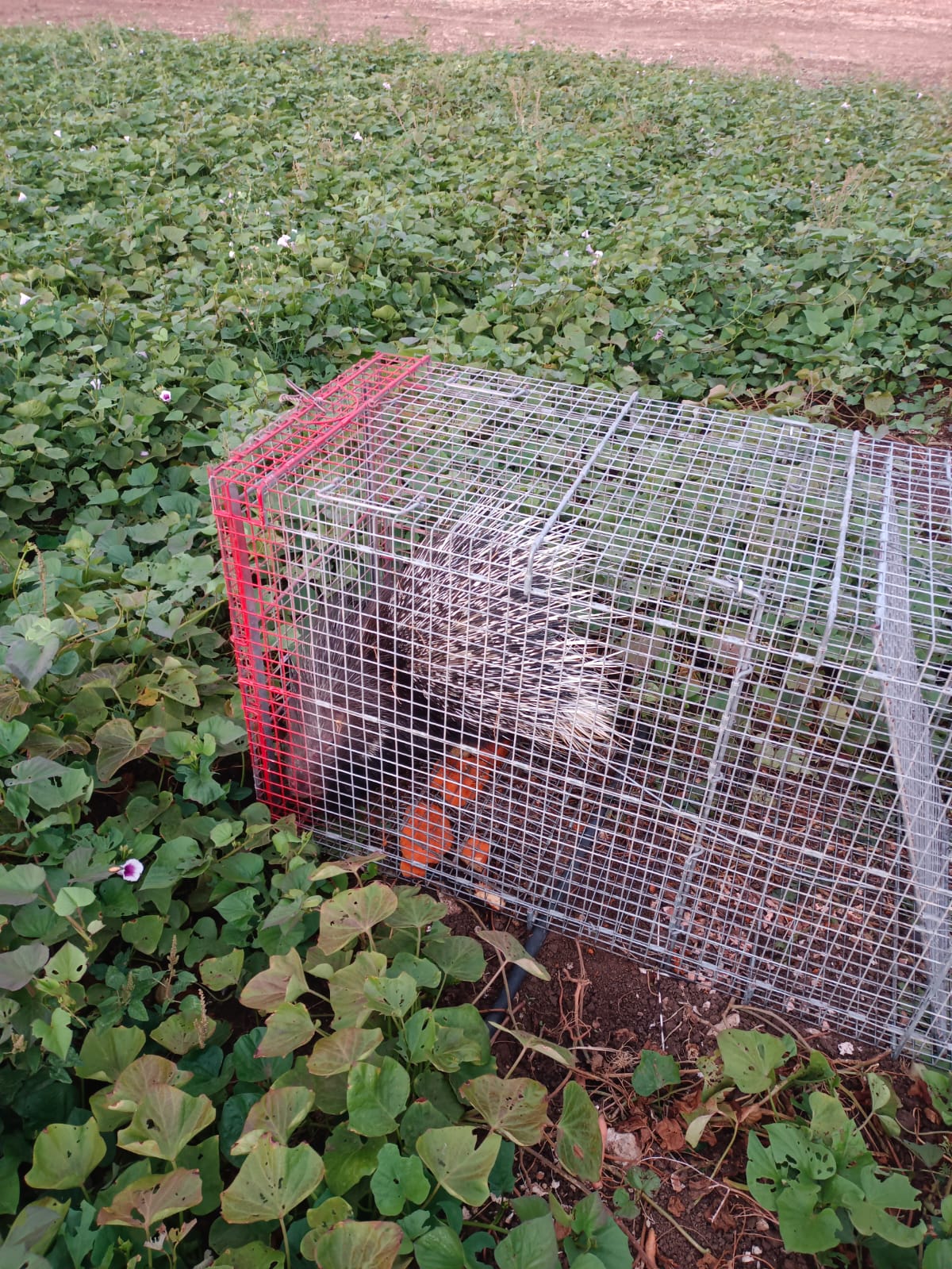
Once we finally realized we were dealing with porcupines, and that fencing the entire field wouldn’t help—these creatures eat whatever crosses their way—we sought advice. The most effective solution, we learned, is “transfer,” to trap them each night when they come to feast and release them early in the morning in a distant location. (Leaving them in the trap during the day would be harmful). This way, we firmly force them to “change their address.” Since porcupines are highly territorial animals — usually living in an area of about one square kilometer — the chances of them returning specifically to Chubeza’s field are slim to none. (Statistically, at least….)
And so we did:
To date, six porcupines have been caught and “relocated” to their new home. Hopefully, very soon we’ll find only empty traps. We look forward to putting the Chubeza Porcupine Saga behind us.
Wishing everyone a week of the return of all the fallen,
Alon, Bat-Ami, and the entire Chubeza team