The Weekly Newsletter of Chubeza Farm
THANK YOU!!
With a bow on our shoulder and our flag raised tall
We will march to the forest, one and all
Today is Lag B'Omer!
We draw our bow and send the arrow free;
Then set the table under a tree –
Today is Lag B'Omer!
May the birds share our food and flowers drink away,
It's Lag B'Omer! Hurray, hurray!
Levin Kipnis (English: A. Raz)
Listen to the song here
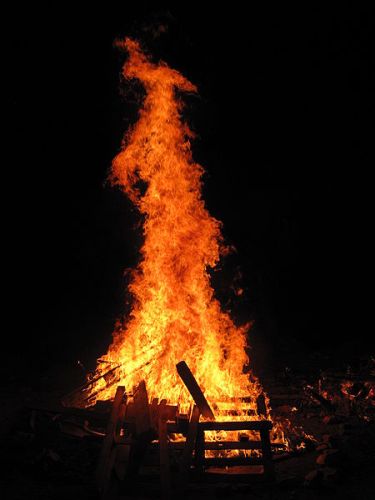
It's Lag B'Omer this week, the holiday of enthusiastic preparation and wood gathering, aiming for the biggest, greatest, tallest bonfires. Indeed, one radiant holiday… Interesting how this holiday reflects the extravagance and competitiveness within and all around us. And once again, the surprising (or maybe not anymore), familiar feeling that insecurity, smallness, fear and stress can lead to compromise, understanding and acceptance – but also to a flamboyant explosion and a swelling of self that may not bring us to a great place at all.
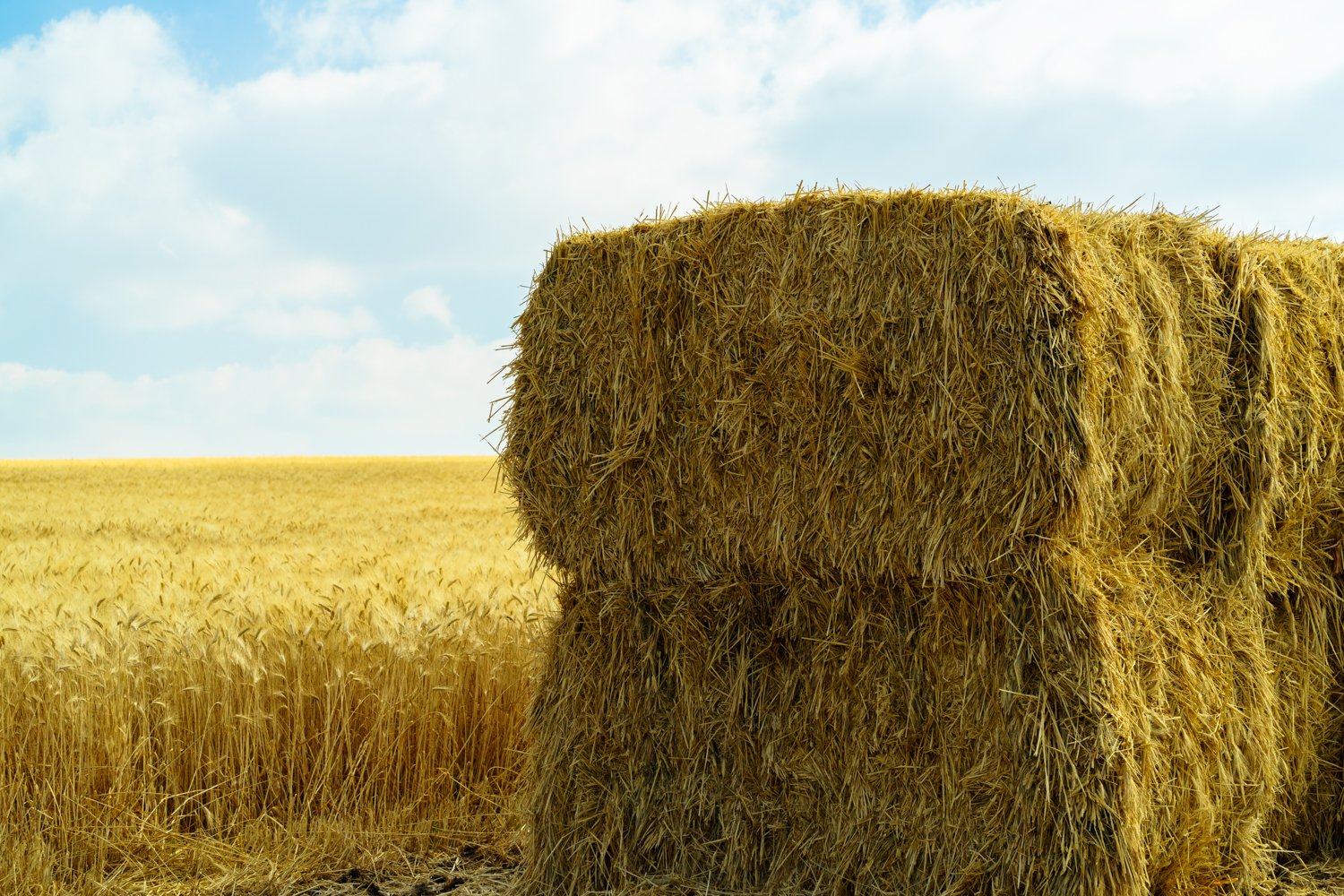
With rain still in the offing, wheat and hay farmers around us are rushing to harvest the fields, cover the cut hay and straw and gather the grains into the storehouse. These days of counting the Omer, the period between the beginning of the barley harvest at Passover and the beginning of the wheat harvest on Shavuoth, is that moment when you're nearing the end, you're almost there, to reap in joy. The crop has almost reached the finish line, which is why it can also be lost at the very last moment. Tense anticipation fills the air, clouded by fear and anxiety. Heatwaves, unexpectedly fierce rainfalls, a sudden infestation – all these can obliterate the fruits of the farmer’s labor right before s/he can heave his/her sigh of relief and joy of achievement. For this reason, the Omer has always been a period of waiting and prayer, of carefully lowering one’s head before God, the earth, nature, and the weather.
Over the years, mourning and sorrow were added: an earthquake (connected to Joshua bin Nun) on this date; the destruction of the Temple and the cancellation of bringing the Omer offering and the Two Loaves; the death of Rabbi Akiva's students in an epidemic or war; the failure of Bar Kochba's revolt and its heavy losses, and harsh persecution at the hand of the Crusaders. All these – the loss of religious and religious freedom, the threats to life and limb, and the blows to family and community – merged into a decidedly difficult atmosphere and a sense of lost freedom and lack of control over the situation and life itself. Definitely depressing and destabilizing.
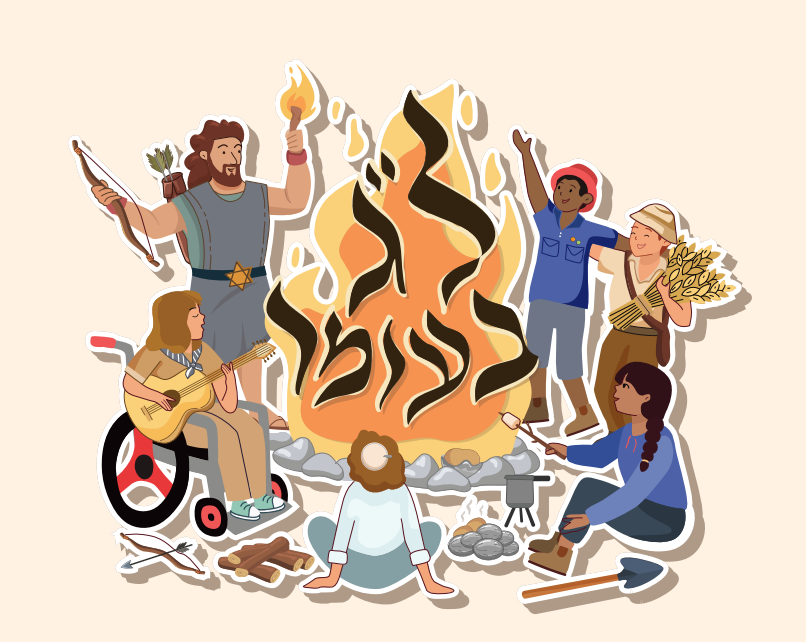
In the midst of this, Lag B'Omer (which never even received a proper name) comes along and lifts us from the depths of gloom to a place of displaying strength and daring: standing up to fear, the dangers of fire, the night and the darkness. It doesn't have to be so bad. It can be – and I remember it as – a magical night, with friends and songs and togetherness – an empowering, moving night. I think the secret lies in that togetherness.
The anxious farmers knew that their best chance of surviving difficult times succeeding in their work, and overcoming the challenges of working the earth, was by pulling together – working together in the fields, lending tools to one another, helping out a farmer in distress. Finding the middle paths and compromising to settle disputes, instead of power struggles that would ultimately destroy everyone’s harvest.
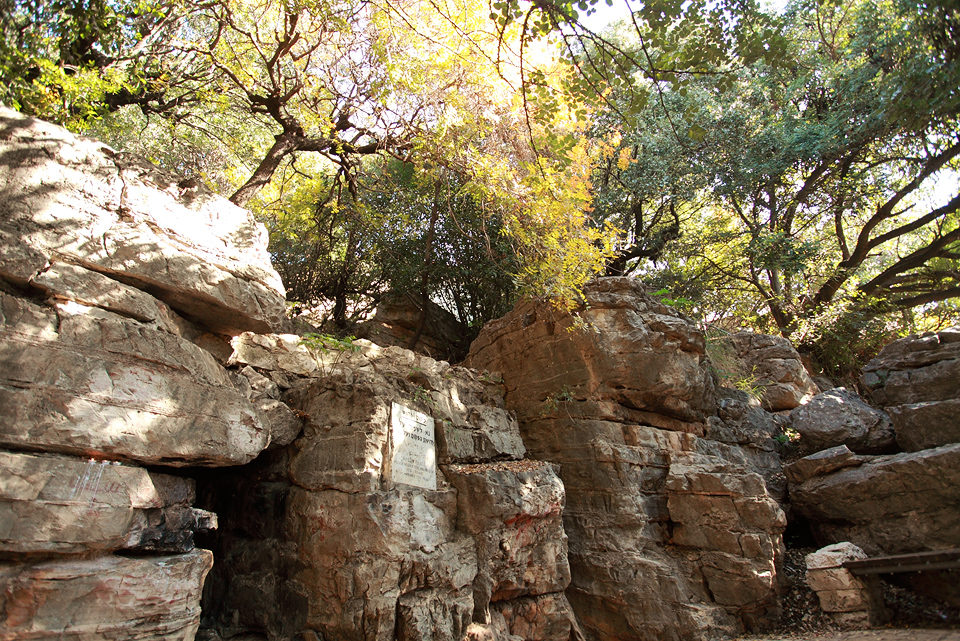
Rabbi Akiva's students, who perished in the plague “because they did not treat each other with respect,” should have abandoned their stubborn zealousness and adopted a more respectful, accepting attitude. Even Rabbi Shimon Bar Yochai, who rates a huge celebration in Meron every Lag B'Omer, had to learn a lesson in acceptance and unity. Emerging from the cave after 12 years of hiding from the Romans, he and his son saw people engaged in their daily labor – plowing and sowing in a routine that involved toil, and not only Torah study. The rabbi couldn't tolerate what he viewed as mediocracy and compromise, and with his eyes burned everything he looked at. This behavior brought forth a heavenly voice questioning: Have you come out to destroy My world? Which sent Rabbi Shimon and his son back to the cave for another year. When they exited once again and met a man running home to honor the Sabbath with a pair of fragrant myrtle branches, Rabbi Shimon understood the importance of interaction between man and nature for life and persistence. He was now ready for his important role as a leader.
But really, I believe everything moves in cycles. There is no such thing as "make weddings, not grief" or "don't study Torah, become a farmer" or "ideological loyalty – out, cooperation and togetherness – in," but rather a movement of entering and exiting, shifting from one to another, from here to there. An older sister must declare her superiority at times, while at other times joyfully play with her younger siblings as equals. We too need our modesty, but sometimes we need arrogance (to help overcome fear) and sometimes we want togetherness (while at other times, being alone can also work…).
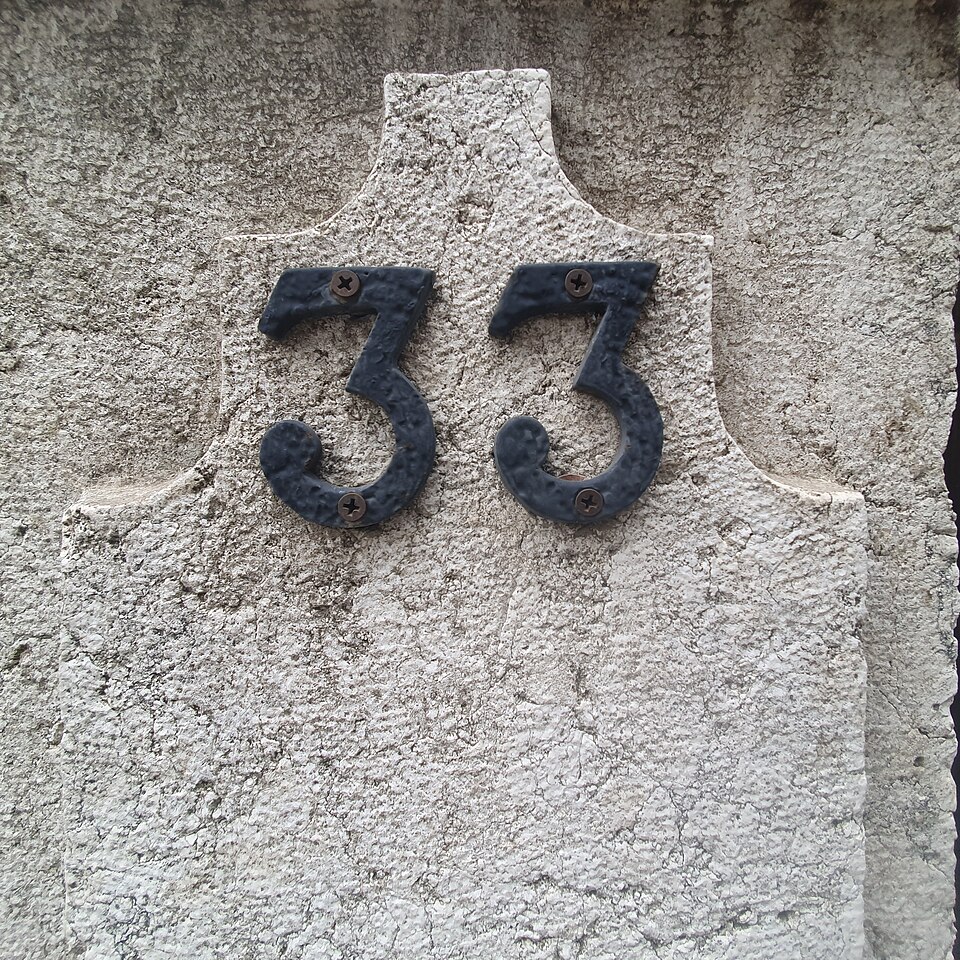
Gilead Kariv writes about Lag B'Omer, attempting to understand the name and special timing – 33 days after the beginning of the wheat harvest – and the custom of avoiding weddings until this day. He writes: "One hypothesis points to the fact that the number 33 appears only once in Biblical tradition…The passage, with opens with the birth of a baby, states that over the first 33 days after birth, the new mother undergoes a process of purification… Thus, if the waving of a sheaf of barley at the beginning of the Omer count symbolizes the rebirth of the produce by Mother Earth, perhaps granting the 33rd day this festive status is a symbolic expression for the completion of the earth’s purification after the springtime birth of nature. In Paganism, which closely links the rituals of the individual and the community with nature, the taboo on weddings during the period in which Creation itself is undergoing a process of purification from birth, could be seen as obvious and necessary. By refraining from marrying during this time, man identifies with creation and intensifies the purification process of Mother Earth."
Perhaps the days of counting the Omer between Passover and Lag B'Omer –days of anxiously waiting for the almost-ripe wheat, the mourning over the historical tragedies associated with these days – are a time for turning inward, becoming quiet, being alone. A time for planning, for thinking your own thoughts. Maybe it’s also the time to express some anger at the world, releasing venom and stress within us. Those of us who have given birth can testify that the period following birth is not a tender lullaby-humming time alongside lavender-scented diaper changes… For new mothers, that first month after birth is one of many upheavals, lots of tears, anger and confusion. And a great deal of loneliness and seclusion.
And at the end of the purification period, of transformation, of unravelling – and perhaps also very much thanks to it – there is hope for togetherness: for connection in partnership, friendship, family, community, and even humanity. Lag B'Omer contains it all – an exciting bonfire that burns and dares and defies, along with the camaraderie, the sitting together on the ground and singing and eating simple food. We need not eliminate bonfires entirely, but we can celebrate them in a less destructive way, as well described by Einat Kramer – making this holiday more pleasant and more meaningful for us and for the environment.
Wishing you all a happy Lag B’Omer filled with togetherness, warmth, yummy flavors and bonfires that gladden the heart!
Alon, Bat Ami, Dror, Einat and the entire Chubeza team