The Weekly Newsletter of Chubeza Farm
THANK YOU!!
Delivery schedule for Passover:
This week:
- Monday 30.3 - remains as usual.
- Wednesday deliveries move to Tuesday, 31.3.
There will be no box distribution on Hol Hamoed, therefore:
- There will be no vegetable deliveries on Monday 6.4.
- On Thursday 9.4 we will distribute the Wednesday boxes (except Holon and Bat Yam) as well as some of the Monday boxes (Rehovot-Rishon LeZion-Mezkeret Batya area, Kfar Ben Nun area, Ono Valley, Ramat Gan, Givatayim and East Tel Aviv)
We sent you all an email regarding your vegetable delivery dates - if you did not receive the message - ask us!
These weeks leading up to Pesach are days of heavy-duty cleaning and of taking stock – taking a long, hard look at what’s accumulated in our home and weighing what to keep and what to bid farewell. Yet for us at Chubeza, our decisions are based on quite different considerations: our target is to make use of as much of the harvest as possible, especially in creative ways. Our passion is to use vegetables in their entirety and to utilize every crop that emerges from our field. This ideal stems from our supreme respect for the soil that grows our produce, and from our understanding of the great degree of energy, care, and effort that goes into growing vegetables. Not only human energy, care, and effort, but also the tremendous work and activity of all our partners: namely, the soil itself with its vast world of microbes, the cows which produce the manure that serves as the base of our compost, and those beneficial insects that pollinate and prey on pests.
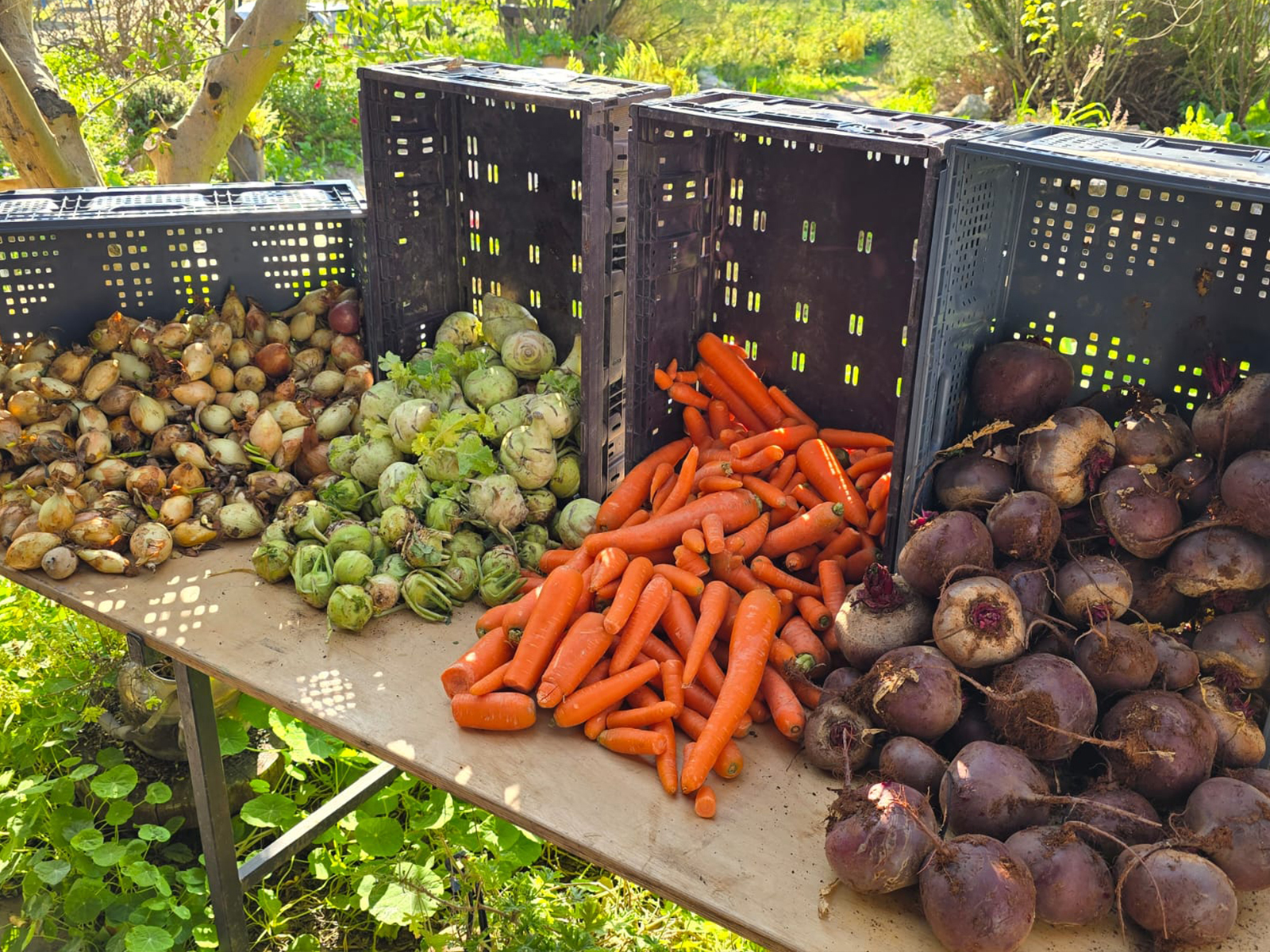
In agriculture (as in industry), even after all the effort and energy invested, a significant portion of produce is rejected for marketing – vegetables and fruits that are too small or too large, a bit wrinkled, or with a scratch or external blemish. Thus, at the end of a workday in the field, a great deal of good, ripe, nutritious produce will never reach consumers’ plates. In recent years, there’s a growing awareness of the food waste caused by the strict sorting of agricultural produce. This is driven in part by our tendency to see only “beautiful” and “perfect” items as being worthy of our purchase, leading merchants to offer only the most attractive produce. Plus the fact that produce has often taken a long journey before reaching the consumer. By the time it’s displayed on your supermarket shelf, it has long been packed and waited in refrigeration, traveled (or flown or shipped) vast distances, and waited again in storage.
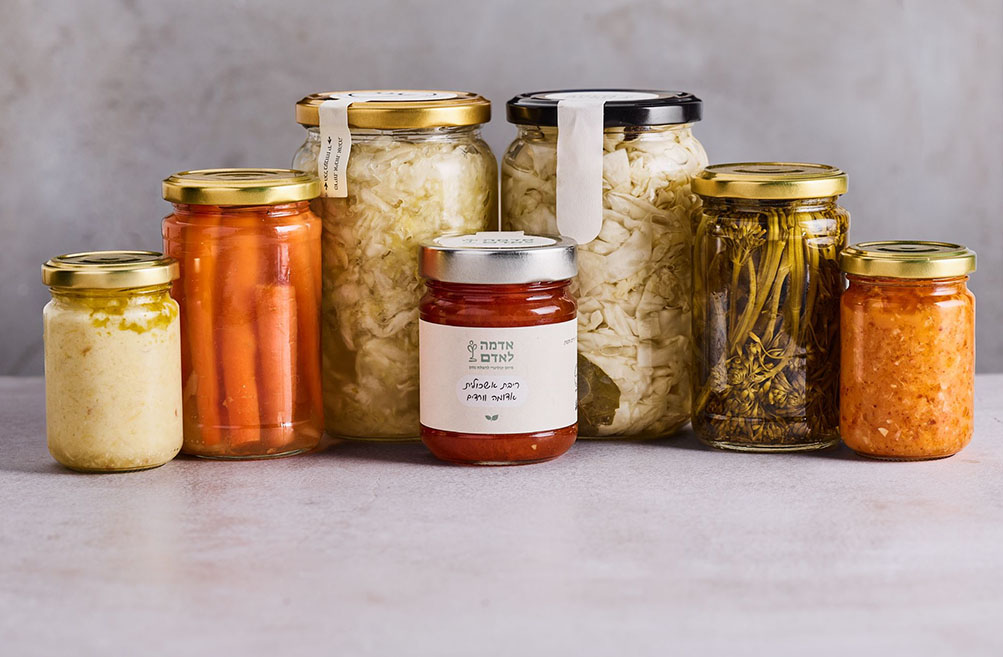
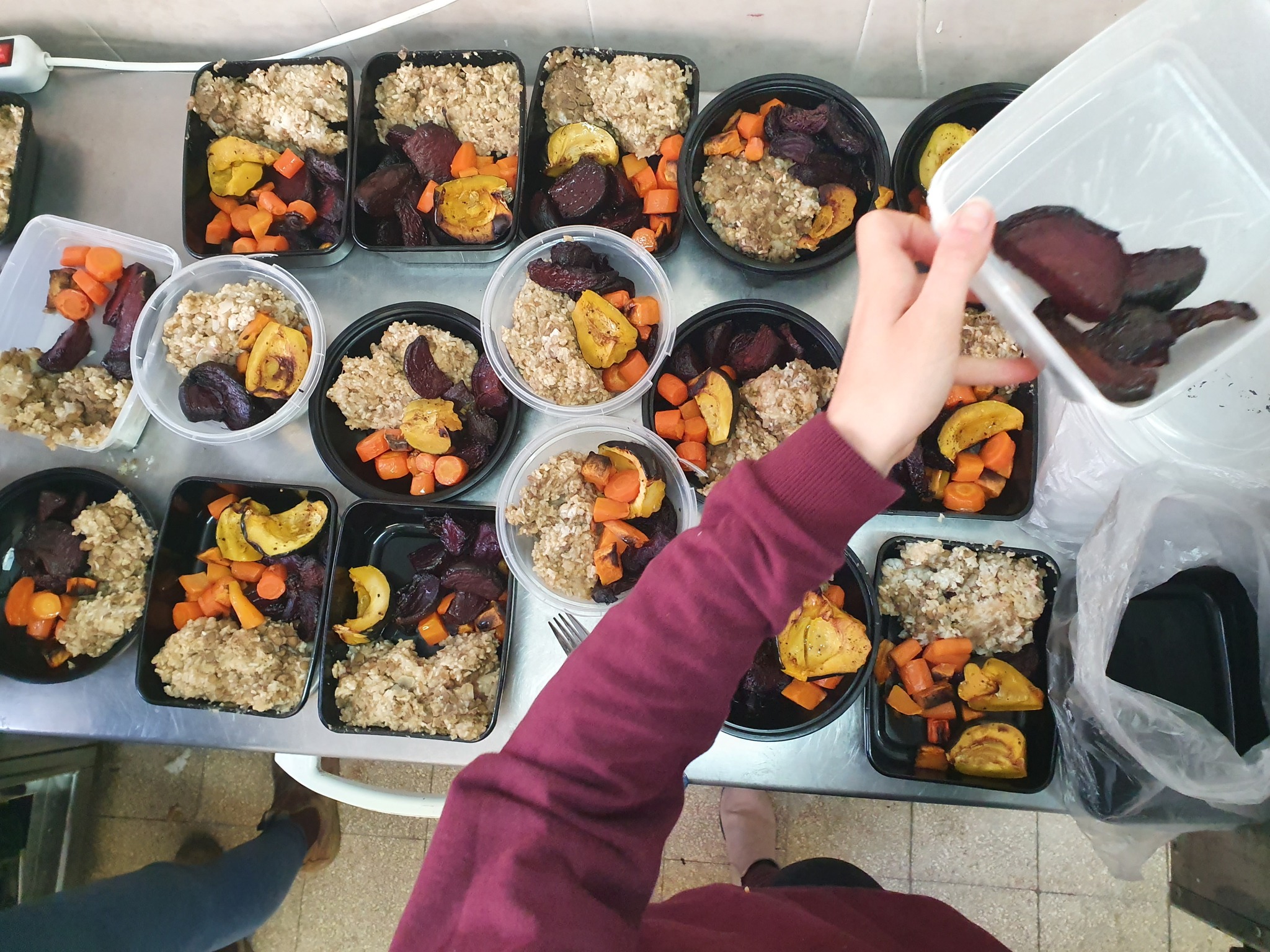
With this growing awareness of waste, various initiatives have emerged to rescue high-quality, nutritious food (even if it’s less than aesthetically pleasing) and make it accessible to those who need and appreciate it. One initiative we at Chubeza are proud to contribute to (though only occasionally, as I’ll explain later) is Human Front Jerusalem. Another northern-Israel initiative I recently heard about is “Adama La’Adam” from Moshav Tzippori in the Jezreel Valley. In both cases, surplus produce is collected – from farmers or from the market – and cooked into meals for the needy. During COVID and once again throughout the war, initiatives like these have been truly lifesaving, for both farmers and for those who rely on them.
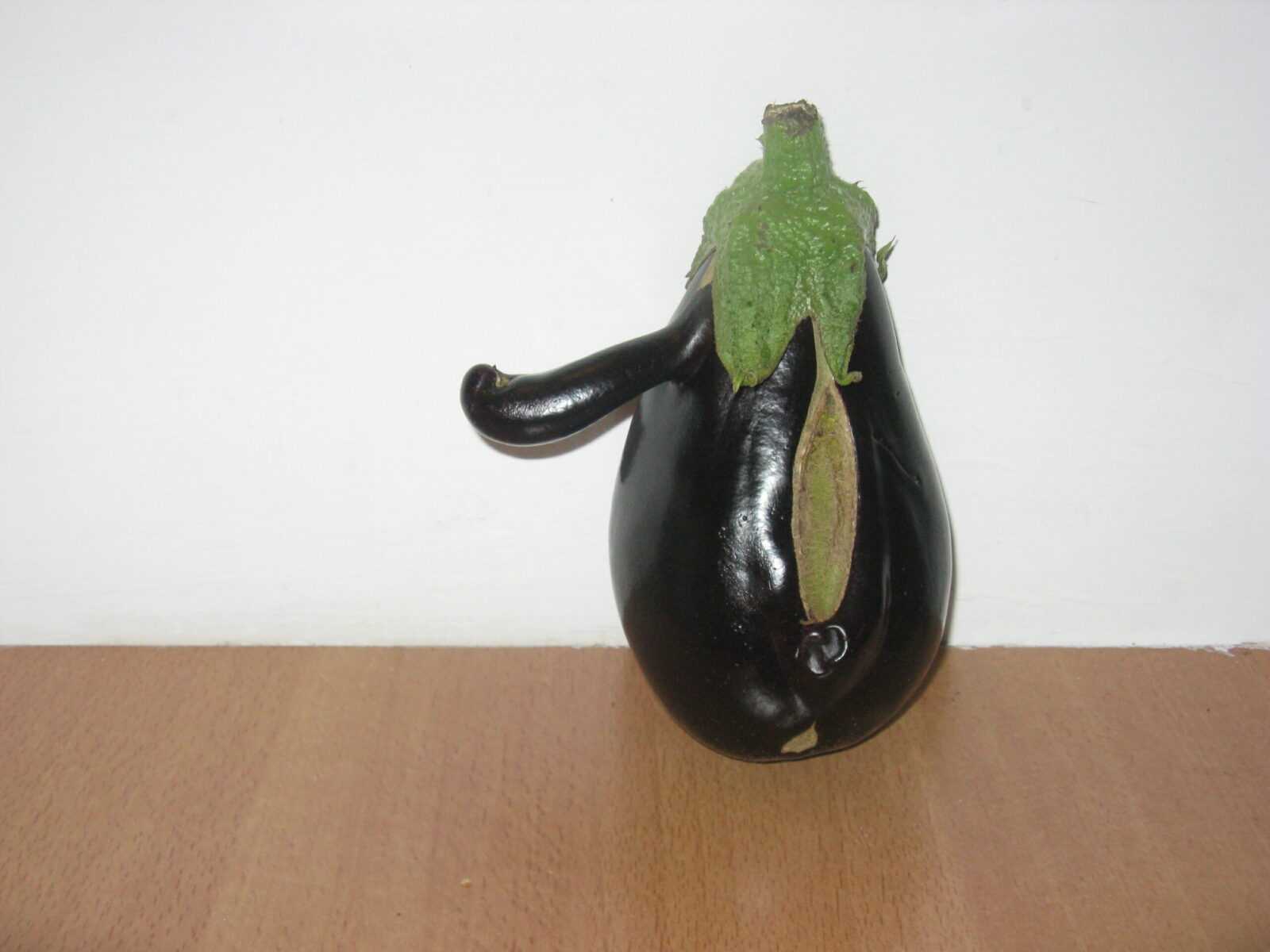
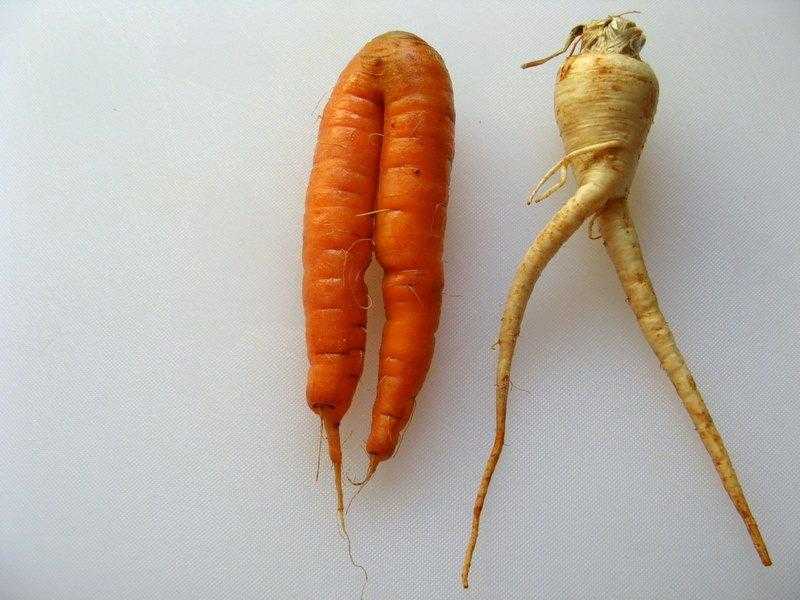
We donate to such initiatives only rarely because we are fortunate to work in direct partnership with you, who consume the vegetables we grow. This enables Chubeza to market all the produce we grow, with almost no food waste. Thanks to direct marketing, we do not need long-term storage or long-distance transport. We fill your boxes with high-quality, super fresh, healthy vegetables in all sorts of sizes and shapes, sometimes even with a scratch or external blemish. In doing so, we also share with you the challenges of growing vegetables, plus various phenomena in the field, and the ways we cope with weather fluctuations.
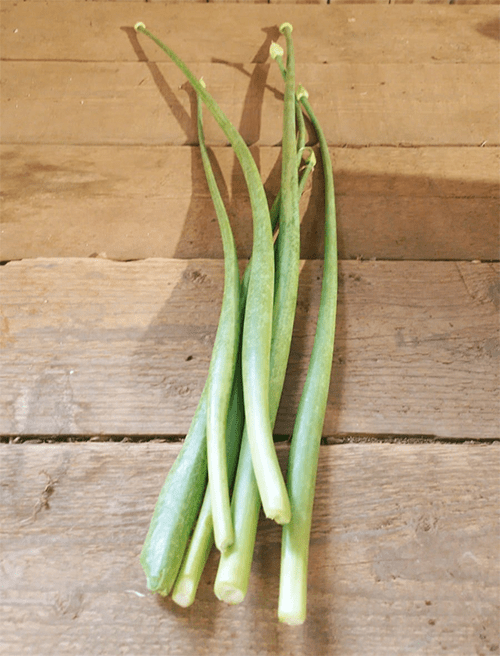
This winter marks 20 years that we have been planting “Uri” onions – a biennial crop, meaning it flowers only after nearly two years of growth. When we harvest it several months after sowing, in its first year we get an onion before flowering. But sometimes our onions get confused and begin to flower before their bulbs have sufficiently thickened. To halt this process, we cut off the onion’s flower buds, allowing the bulb to continue growing without flowering. Thanks to our Thai workers, we don’t throw away these budding flower stalks. In Thailand, onion stalks are eaten, and our workers have taught us that Israelis should do the same! The onion stalks are especially crisp and juicy – spicy and wonderful.
Of course, despite all this maximal use, many plant remnants “stay in the field” – inedible leaves, roots and stems, as well as the cover crops we grow in winter. We chop and incorporate them right back into the soil, returning our thanks for all that the earth has given us and enriching it with green manure to improve its fertility. We’ll gain the benefits again next season.
Despite everything, may this Pesach festival bring freedom, joy, and calm to all. And only good news!
Best wishes from the entire Chubeza crew