The Weekly Newsletter of Chubeza Farm
THANK YOU!!
The lemon trees in the small, enchanting citrus grove next to Chubeza’s packing house are now brimming with fruit and the rich, heady scent of lemons. To enjoy these fresh, healthy, refreshingly tart and wonderful fruits, you can now add organic lemons to your Chubeza box at the price of only 5 NIS per 600 grams.
Add them today to your boxes via our ordering system, under the category of "Chubeza Vegetables and Fruits."
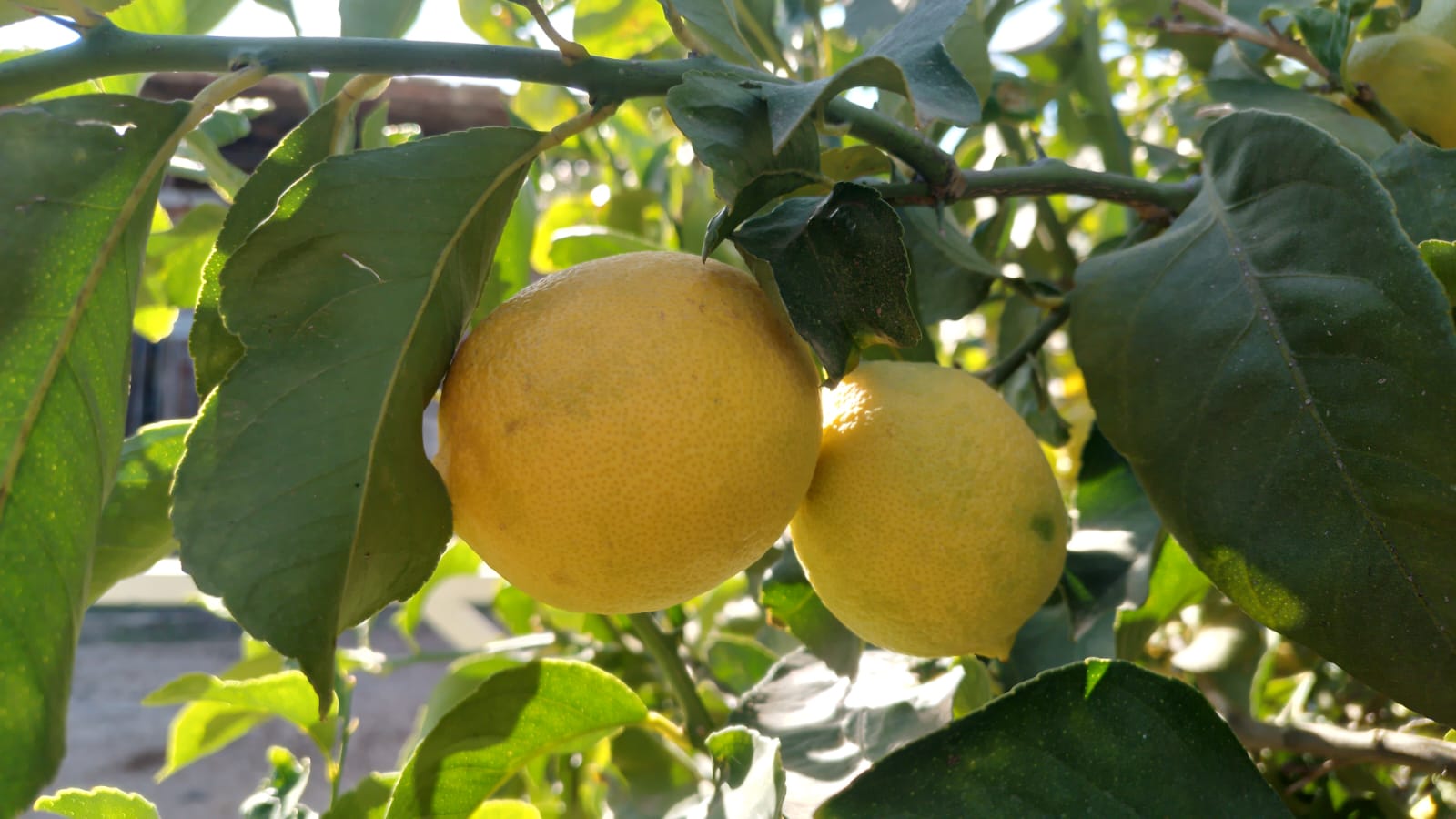
DECEMBER
The smell of sea, an autumn breeze,
And golden orange nectar tease.
A sweet and sour, cloudy day
Calls to step out, come what may.
To walk and march, breathe deep and true,
The air of sunsets, red and blue.
To walk and march, breathe deep and true,
The air of sunsets, red and blue.
Natan Alterman
From the Hebrew: Aliza Raz-Melzer
During these December weeks, “Michal,” our very special clementina, cheerfully arrives for her annual visit to our Fruit Boxes. In her honor, we’re proud to introduce you to our “boutique” (small…) citrus grove for a closeup look at its wonderful clementina fruit. The grove, which sports mainly clementinas but also lemons, oranges, and several pomelos, is located adjacent to our packing shed in Kfar Bin Nun. Moshe Dagan, the grove’s owner and our landlord, planted these trees years ago, which over time became desolate and abandoned. When we took the grove under our wing, Moshe was happy to once again water, prune, till, and spread compost. He gives us expert guidance on when to cover the trees with a net and when to start picking the fruit, as he nurtures the plot with the dedication only a father can give.
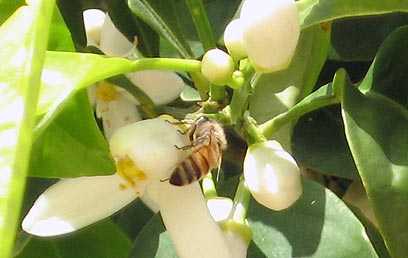
The clementina is a citrus fruit whose origin remains disputed: the traditional, known version is that it was cultivated by Father Clement Rodier, who hybridized it (some say, by mistake) in the courtyard of his orphanage in Algeria at the start of the 20th century (1902). The magic moment when he grafted a mandarin onto a trifoliate orange (a citrus tree used for grafting), he discovered a very special mandarin that would globally immortalize his name in the mouths of millions. An alternative version by the late citrus expert James Saunt maintains that the fruit is not a new creation of the past century, but is actually identical to the “Canton mandarin,” a very well-known fruit in China widely grown in the Guangxian and Guangdong provinces. Either way - slant-eyed or tanned – the clementina is beloved and craved. It begins to ripen around October, with the late varieties ripening in January and even February and March. Almost immediately after the harvest, the trees begin blooming with beautiful, intoxicating flowers.
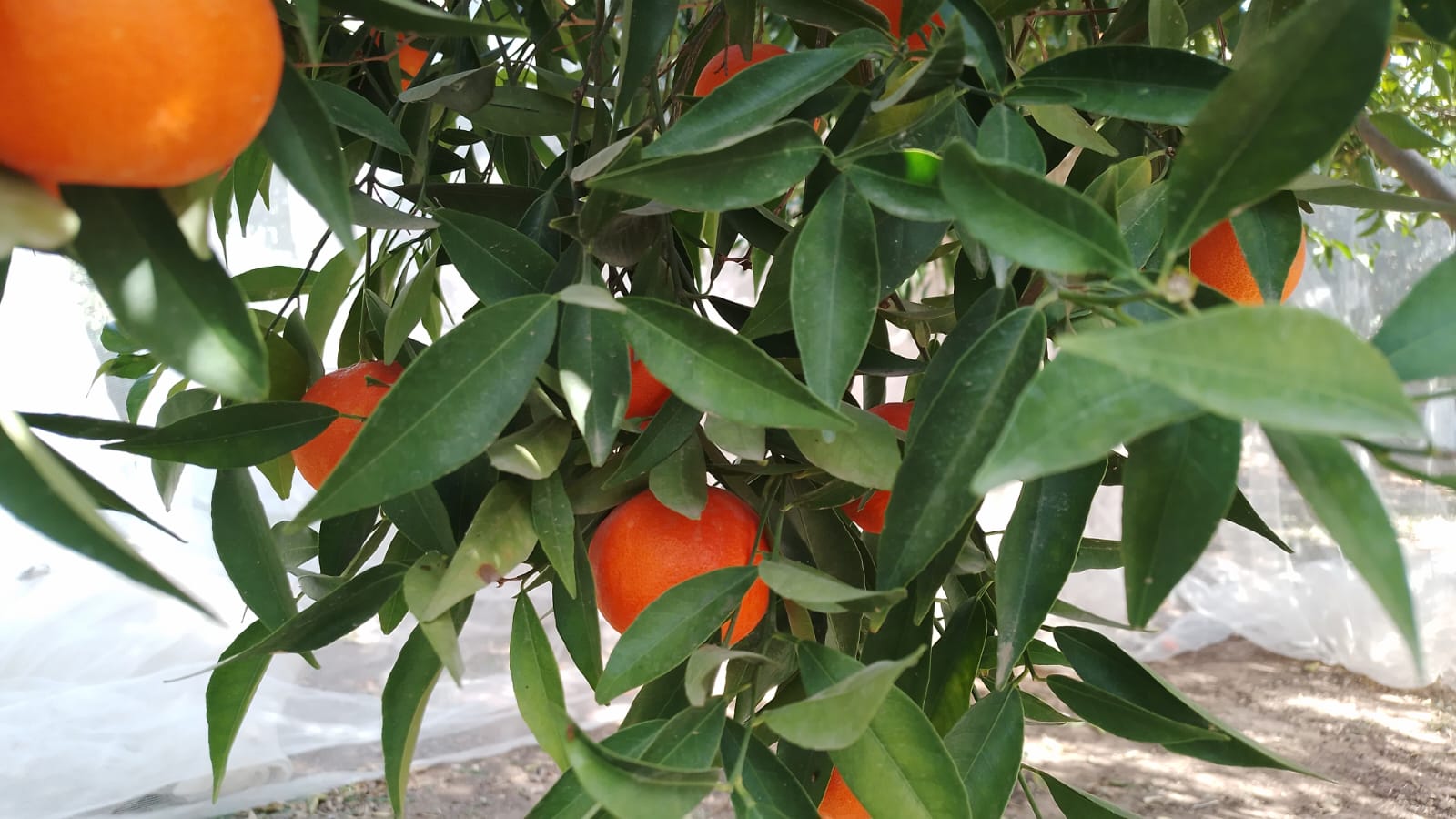
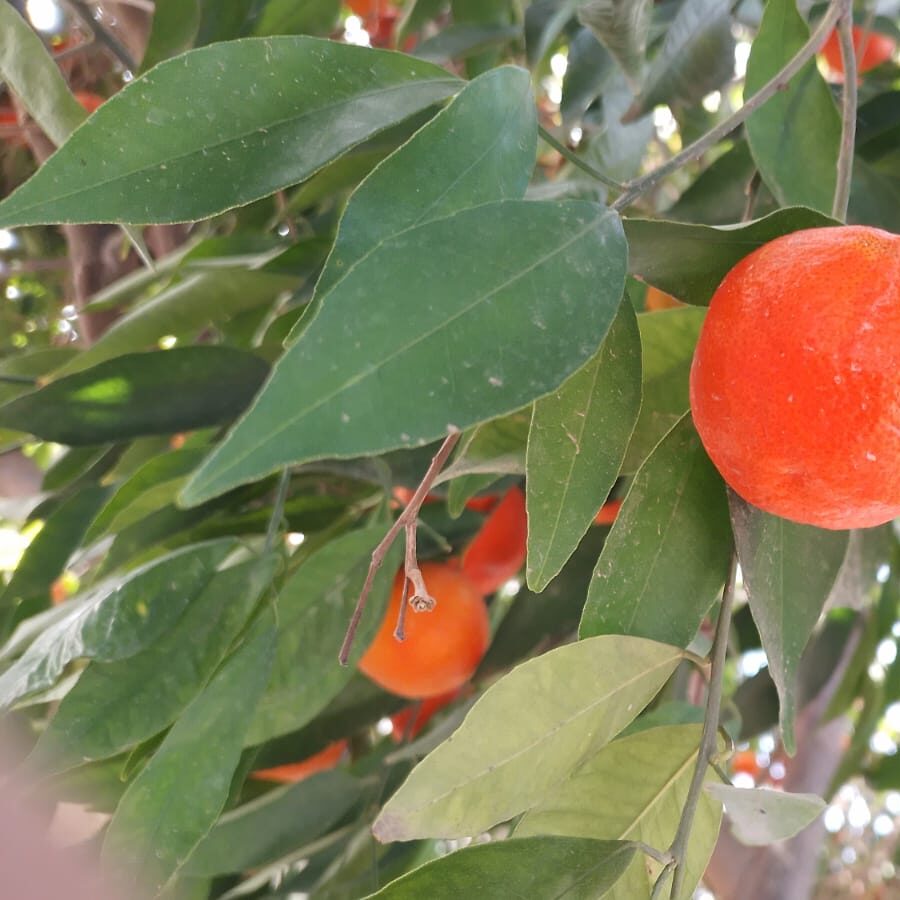
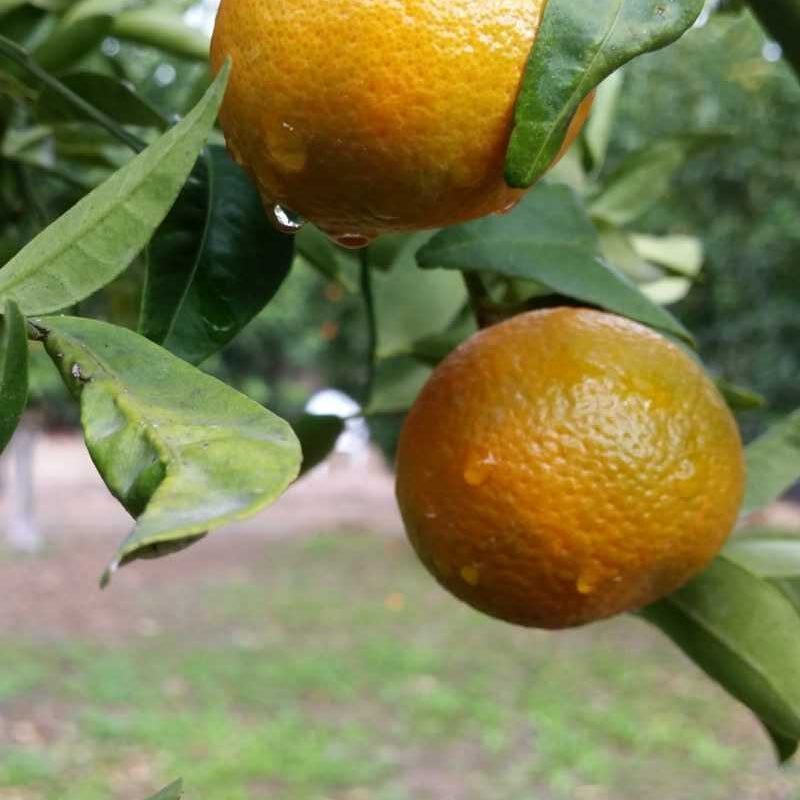
The Chubeza variety, “Michal,” is a long-loved, excellent variety of clementina that ripens from October to December. We pick them slowly, from the greenish-hue stage (which promises a sweet-tart clementina) to the full ripened stage, with sweet, juicy fruit.
Chubeza’s clementinas are picked slowly and surely, each at its optimal time. Picking clementinas in our grove is an exercise in shades of orange. Under Moshe's vigorous guidance, we aim to pick the clementinas when they are as large as possible. But size isn't the sole factor. The most reliable measure of clementina ripeness is color. We strive to pick only the fully-orange fruits. At first glance, all the fruits on the tree look orange. Yet a closer look reveals a bevy of shades of orange - from yellow-orange to the coveted orange-red. If there were a private language for clementina pickers, it would abound in varying shades of orange. It’s amazing to feel how – similar to your eyes adjusting to the dark – just several minutes after peering at various oranges, the eyes adjust to distinguish the different shades, and the hand reaches almost instinctively for only the fully orange clementinas.
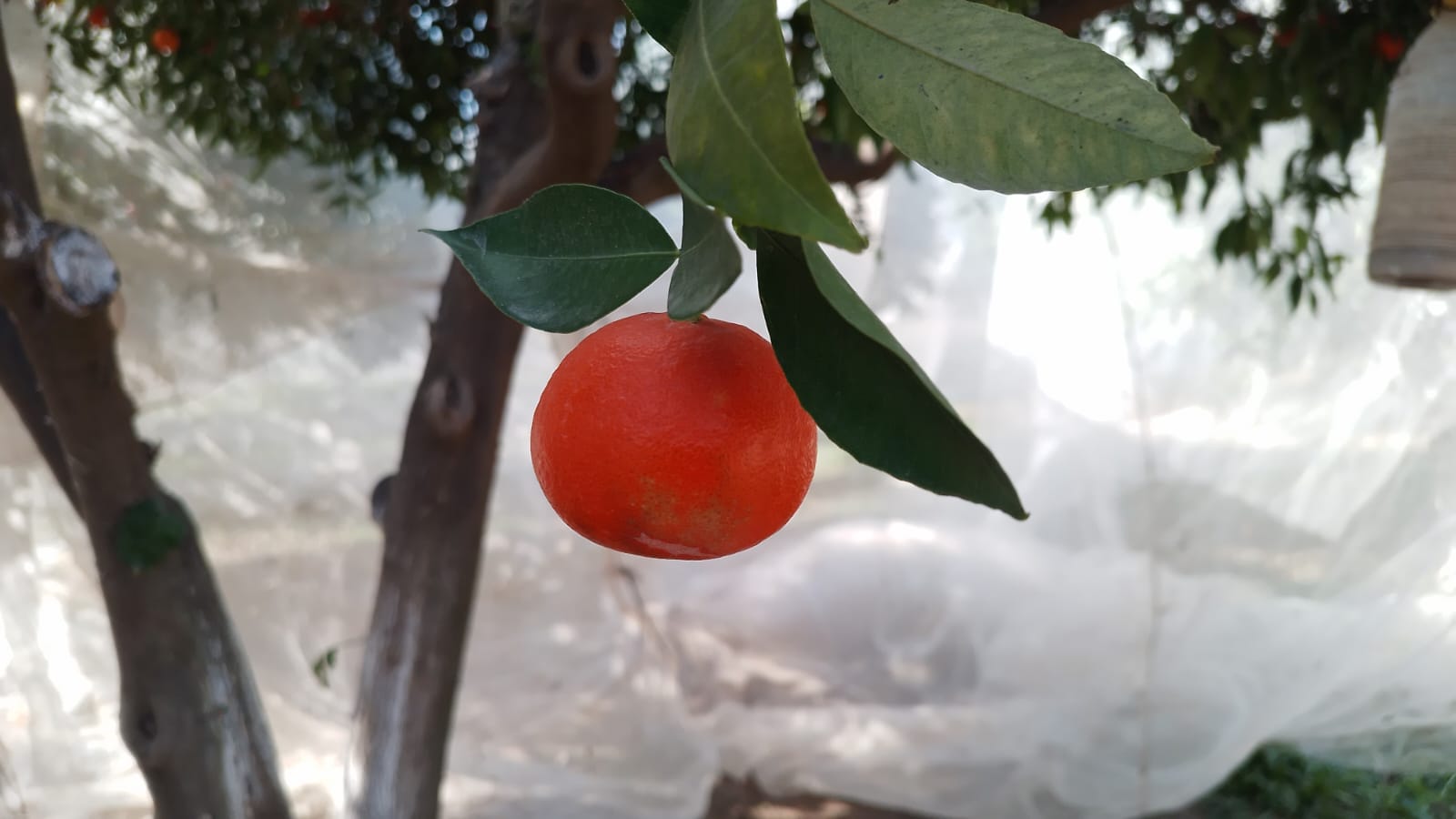
Yet… this fruity-favorite’s charm is not perceived solely by us, but also by a particularly energetic fly in our area, the destructive Mediterranean fruit fly, which lays its eggs inside many fruits, including citrus. The larvae hatch inside the fruit - serving as shelter and a food source - causing it to rot. After trying nearly every method to fight the Mediterranean fruit fly problem (luring them to traps, reducing irrigation, early picking, and more), we found that the most effective method is to cover the trees with a dense net, which prevents the flies from reaching the fruits.
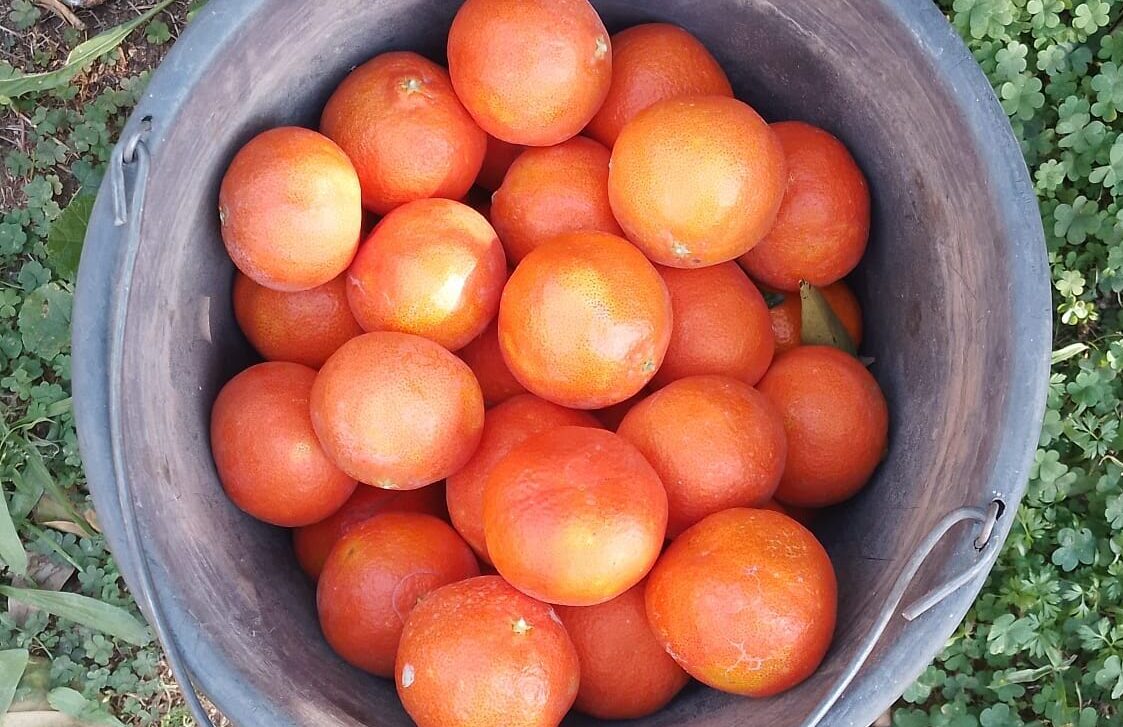
And perhaps there is a close connection between the strained eyes and the picked fruit: clementinas (and other citrus fruits) contain carotenoids, the molecules contributing the orange-red color of the fruit’s peel. Beta-carotene is a pro-vitamin A, essential for vision, which also acts as an antioxidant. A glass of orange juice contains 10% of the required level of vitamin A. In clementina juice, the level climbs to 20% of the daily requirement. Red grapefruit juice contains both beta-carotene as well as lycopene. The stronger the color of the juice, the higher the level of carotenoids. Clementinas are particularly rich in carotenoids and beta-carotene.
Citrus fruits also contain impressively high concentrations of strong antioxidant flavonoids, particularly in the peel and juice. For this reason, doctors and nutritionists recommend eating citrus fruits with their white pith (albedo). Flavonoids reduce the risk of stroke, heart disease, and infectious diseases. They also strengthen capillary blood vessels, prevent their rupture, and prevent the formation of internal and subcutaneous bruises that appear after a blow. Plus, they help prevent bleeding gums.
Dietary fibers in cell walls such as cellulose, hemicellulose, lignin, and especially pectin, are found in high levels in citrus juices and the peel (in its two parts: the outer: flavedo, and the inner, white: albedo). The pectin in the peel, which dissolves in water, is vital for regulating the absorption of cholesterol, bile juices, and sugars from the digestive system into the blood. 200 grams of citrus with white pith contains about 25% of the dietary fibers we require per day!
And we haven't yet mentioned vitamin C, immediately associated with citrus fruits. The human body consumes large amounts of vitamin C to ensure teeth and gum health, and to create connective materials between cells. Vitamin C also bolsters blood capillary walls, dilates heart arteries by producing nitric oxide, prevents the formation of ulcers, promotes iron absorption, and is an antioxidant. With the proper amount of vitamin C, our bodies are more resistant to infection, as the super vitamin C boosts the immune system to repel diseases, including flu and other illnesses that exploit the weakened body. How beautiful to see right now, when the body is exposed to cold and vulnerable to winter viruses and bacteria, how Nature arms us with powerful green vegetables and citrus fruits, brimming with fortifying vitamins and healthy pigments.
Wishing health, strength, and crucial rains for us, the plants, and the soil. We remain in constant hope and anticipation for the return of the hostages, including Hadar Goldin, in whose memory this Newsletter is dedicated.
May good news come quickly!
Alon, Bat-Ami, Dror, Einat, and the entire Chubeza team