The Weekly Newsletter of Chubeza Farm
THANK YOU!!
Over these past few months, some members of the hearty Chubeza team have been sniffling and coughing, and sometimes so ill they’re confined to bed. Alas – winter….
When I was little, my Grandma Sarah, a woman bounding with love and care, would get nervous at the slightest sneeze or scratch. She would immediately pounce on us with a huge hug and a hot drink with something sweet alongside, murmuring all the while, "Just be healthy, little one."
"Grandparent words," I thought as a kid – or rather did not give any extra thought to, beyond attributing these words to (over) anxious grandparents like Grandma Sarah. But as I grew older, I discovered, of course, just how right she was and how much truth these words carry: good health is everything.
At Chubeza, we strive to keep you healthy through our vegetables. To prove just how serious we are, we fill your boxes with representatives of the healthiest, most healing families – vegetables which proudly protect your respiratory system and prevent common colds: meet Dr. Leek, Dr. Onion and Dr. Garlic. And there is no better time than now to introduce their special spring representative, green garlic.

At first glance, this fresh green garlic may resemble a large scallion, but its garlic aroma is unmistakable… Its bulb is bigger than a scallion’s (but still not as big as mature garlic) and its long greens are flat, not hollow like the scallion. Green garlic is one of the last truly seasonal vegetables: it turns up in Israeli markets in February, just when winter is beginning to ebb and spring bursts through here and there between winter storms. It remains only a short few weeks, till April. Green garlic is a very special vegetable, a gentle, youthful, innocent version (though not quite a baby) of its pungent older brother, bringing to my mind – as a garlic lover – thoughts of the power of gentleness and calm, of childhood and maturity. We have been growing green garlic in Chubeza since our very first season, where it made its debut in our first spring boxes. It’s been with us through all twenty-plus springs ever since.
Garlic is first seeded in mid-September. We actually plant garlic cloves (and you can, too!) by pushing these cloves into the earth. Even regular store-bought garlic can be used as a seed to spawn a new garlic bulb. Naturally, we use garlic cloves grown specifically as organic seeds, with the biggest and strongest cloves pre-selected for us, but also because the seeds are (supposed to be) free of pathogens, which is very difficult to guarantee.
The garlic shoots out roots, then sprouts and settles nicely within the cozy soil before winter arrives. And then begins The Wait. This is just like the onion, its garlic cousin from the Liliaceae (allium) family, waits patiently for its cue – the first signs of the days growing longer after December 21– to begin to thicken and form a bulb.
Despite garlic’s sterling reputation as a pest-repellent (and rightfully so – harmful insects really don’t like it), growing garlic in the field is not a simple task. The garlic’s upright, straight leaves need our help to constantly clear the garlic beds in the ongoing battle against the weeds. Garlic is also vulnerable to various fungi and other diseases which may strike. Over the past few warm winters, the struggle has become increasingly daunting.
Since winter brings high humidity in the soil and air (ideal conditions for fungal development), when the weather is warm and temperatures aren’t low enough to deter the fungi, the problem worsens. Fungus damage can include rotting the garlic roots and yellowing and drying the leaves above.
The best way to confront these garlic threats is by prevention: only grow garlic (and other alliums) in a plot where no similar crop has grown for at least three years, planting seeds from a reliable pathogen-free source. There are those who advise solarizing the earth before planting, spreading transparent plastic sheets over the ground that cause the earth to heat up enough to kill pathogens. Yet, above all, the most crucial requirement is to cultivate strong, fertile soil.
As such, at Chubeza we make certain to rotate our garlic plots around the field and buy seeds from a reliable source. Several years ago, we also solarized sterilization several beds in the field before planting garlic (but opted to discontinue the process). Naturally, nurturing soil fertility is one of our ongoing tasks, and indeed, fertile, healthy soil proves itself time and again.

The fungus damage usually strikes towards springtime, when temperatures rise. Thus, harvesting green garlic at this time is traditionally one of our ways to try to beat the system: once we detect signs of fungus damage in a particular bed, we begin selective harvesting of garlic whose roots have been affected but whose bulbs remain round and healthy. We then tie them into bundles for use as green garlic.
But this year, Chubeza’s garlic crop is arriving at a record early date, harvested from a bed we intentionally designated for green garlic, not as a thinning measure. When we planted baby onions this year to be grown in the shade, a small section of bed remained empty, so we opted to try planting green garlic for an early harvest. And here he is, already making his grand entry to your boxes at the very start of the calendar year, the height of winter!
Whole garlic contains an inactive compound called alliin. When you cut into garlic and its cells are damaged, alliin turns into an active sulfur compound called allicin, the antibiotic component. Allicin’s disinfecting properties make it effective in fighting infections and inflammations. This is why garlic is beneficial in fighting coughs and colds, inflammations, (respiratory, digestive, eye, ear, teeth…), intestinal infections, and even particularly aggressive bacteria such as tuberculosis.
Garlic also helps reduce blood pressure, decrease triglyceride levels, and lower "bad" cholesterol while boosting "good" cholesterol levels. Another advantage is garlic’s astute ability to reduce excessive blood clotting and help dissolve blood clots, thus reducing the risk of atherosclerosis, heart attacks and strokes. Other garlic compounds aid in treating melanoma and preventing colon cancer. It may also help protect against diabetes complications and prevent accumulation of body fat.
Green garlic is milder than dry garlic (which is older and becomes more concentrated, sharper and strong in the drying process), and less fetid. Use green garlic as you would a scallion – both the small white bulb, and particularly its succulent green leaves rising at least 6-15 centimeters from the fresh garlic base.
Like leeks, the green garlic stalk can trap some soil between its leaves, so rinse it well before use. The orange-brown speckles dotting the leaves are merely traces of the puccinia – a fungus that attacks garlic leaves. It is harmless to humans, and the garlic leaves are perfectly safe to use. If the leaves are badly marred, they’re best used in cooking rather than fresh in a salad.
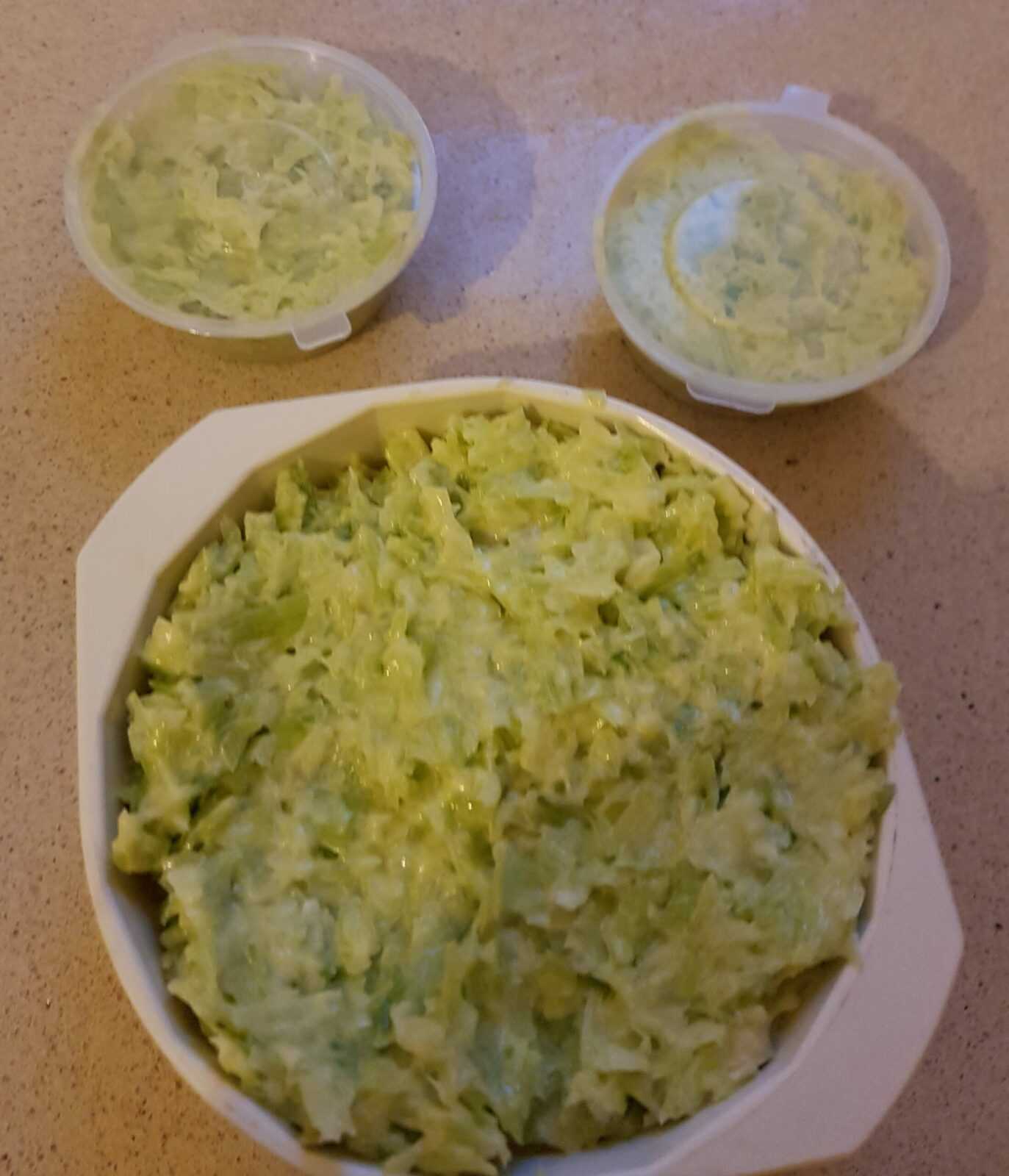
Add green garlic to salads, omelets, sauces, pastries and dough. Blend it into a spread, roast in on the grill, blanch it, sauté it in olive oil, or any other use you can imagine. Its great taste makes a phenomenal garlic soup. Check out our recipe section for a host of wonderful ways to use fresh green garlic.
Store green garlic stalks in the fridge for three to four days. After using the stalks, you can keep the garlic bulbs in a ventilated basket in the kitchen, without further refrigeration.
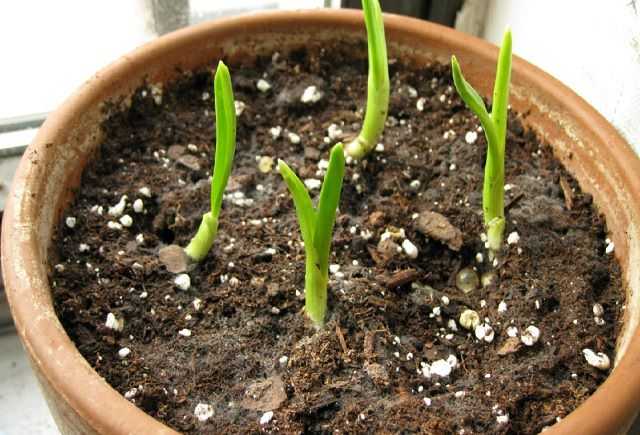
Incredibly enough, the amazing garlic can easily grow as a plant on your windowsill: just stick a garlic clove in the soil, water it, give it time, and you will be rewarded with beautiful greens to snip and season any dish that is enhanced by a touch of delectable mild garlic.
Wishing everyone good health, resilience, and long, deep breaths. May we soon hear the good news of Ran Gvili’s return home.
Alon, Bat‑Ami, Dror, Einat, and the entire Chubeza team