The Weekly Newsletter of Chubeza Farm
THANK YOU!!
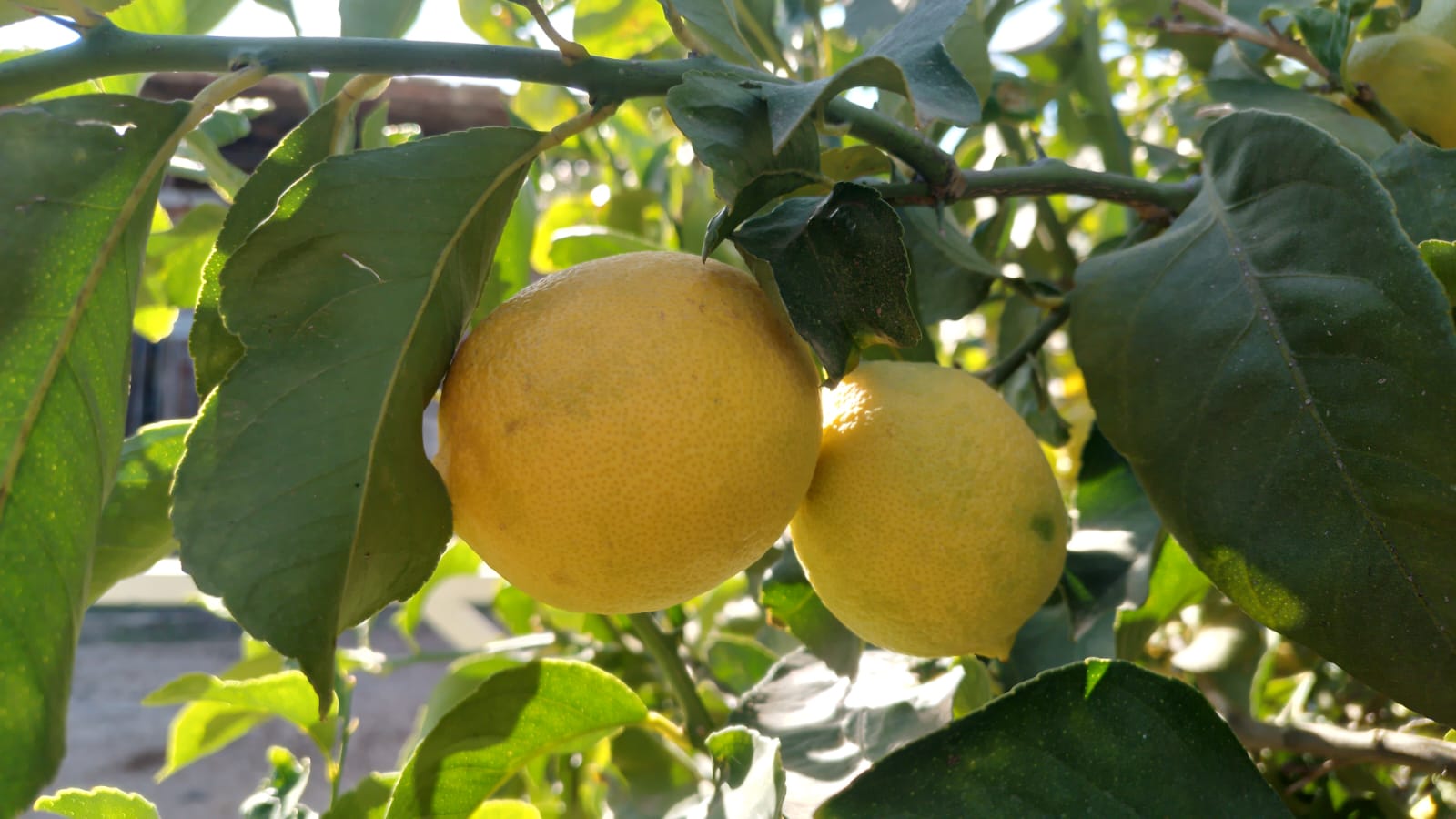
The lemon trees in the small orchard next to Chubeza’s packing house are bursting with fruit and an intoxicating fragrance. You, too, can enjoy this fresh, healthy, tart wonder! Add these organic lemons to your Chubeza box today via our Order System, under “Chubeza Vegetables and Fruits.” The price: 600 grams for just 5 NIS!
After weeks of cold, blessed rainy weather, we’ve now been enjoying pleasant, sunny days that encourage growth and brighten our field.
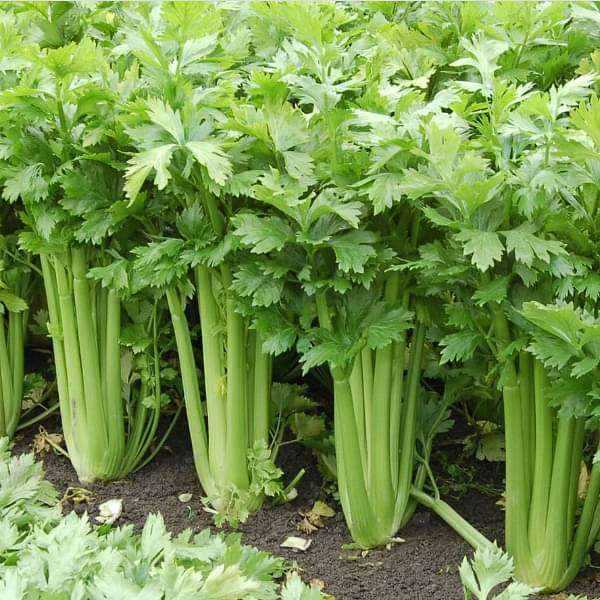
This week’s Chubeza Newsletter Star Vegetable is a regular winter guest in your boxes who’s delighted by the moisture that enables him to joyfully fatten up. Welcome to….the amazing celery!!
Its name carries the exotic origins of the French céleri, derived from the Greek selinon. In Hebrew, its official name karpas reached Hebrew from the Aramaic, which borrowed it from the Greek word karpos, meaning “fruit of the earth,” i.e. vegetable. And it’s no coincidence that karpas may remind you of lavish fabrics (as used in the Book of Esther to describe the décor of King Ahasuerus’ castle), where karpas likely refers to a high‑quality green‑dyed cotton fabric.
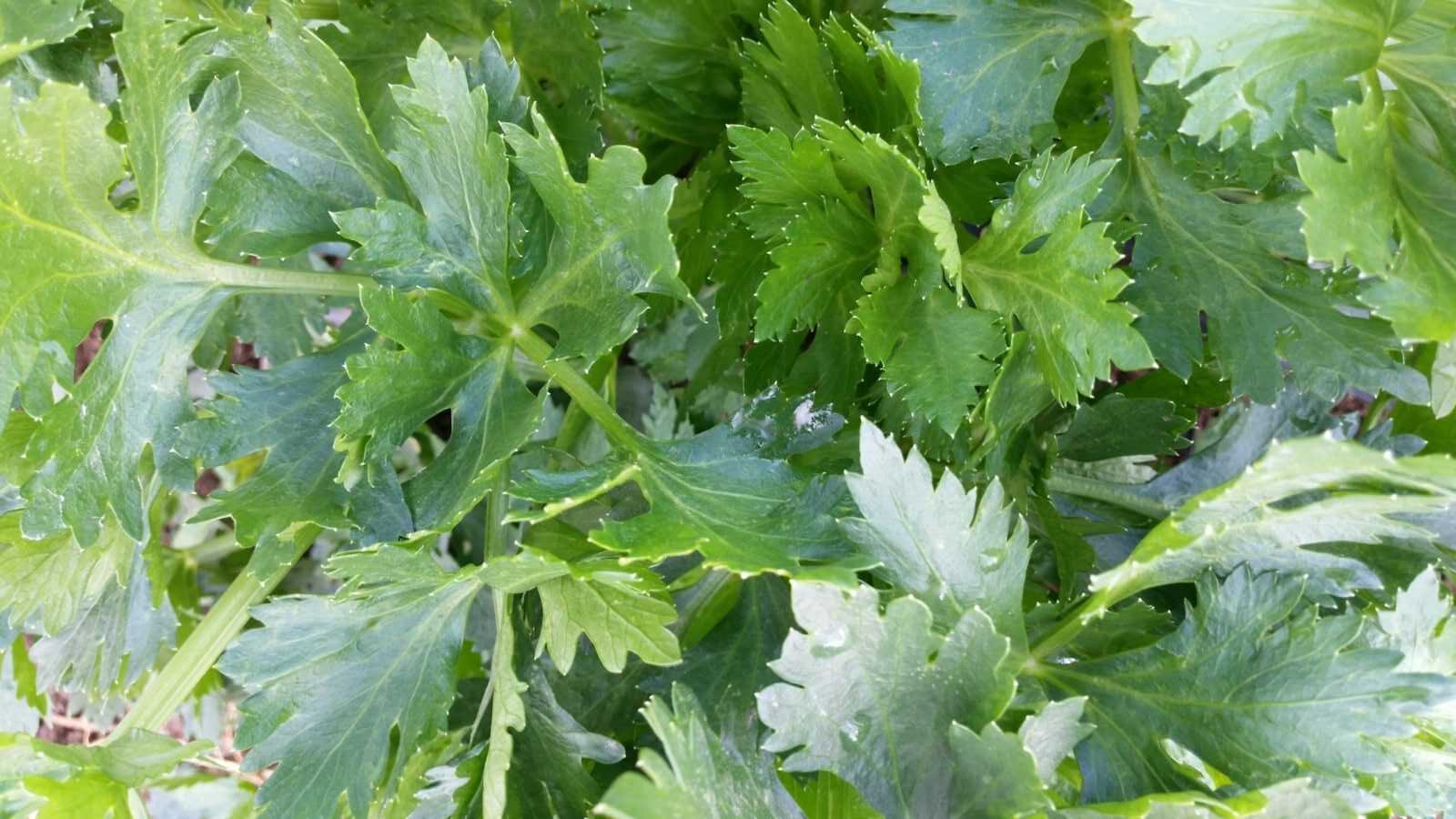
Celery belongs to the botanical Umbelliferae family, in which all parts of the vegetable are edible: the round root, its crisp stalk, the nutritious leaves, and diminutive seeds.
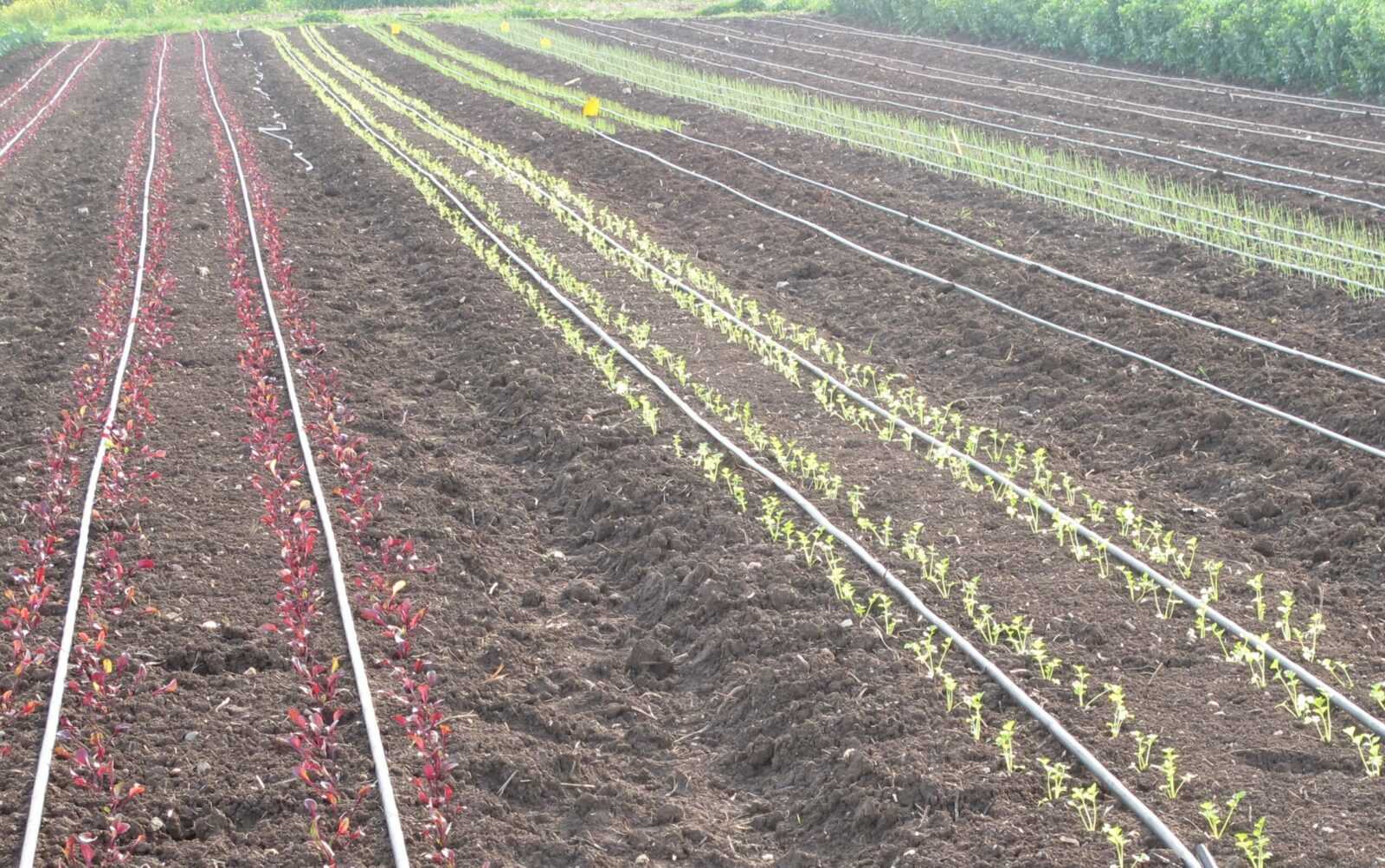

All celery varieties have teeny‑tiny‑tiny‑tiny seeds that take their sweet time before sprouting. So, if you’ve tried sowing them in your garden, don’t give up. Keep the soil moist and wait patiently — celery is even slower than parsley, its cousin, as it takes around a month till he’s ready to sprout.
At Chubeza, we can’t afford to leave seeds in the soil for that long, mainly because all the hardy, ruthless weeds would cover the bed five times before allowing a single celery shoot to peek above the earth. That’s why we start with plant seedlings grown in the nursery, already two to three months old.
Although celery is a native of the Mediterranean basin, it has been carried upon the wings of history to nearly every corner of the world. Today it grows wild in such places as southern Sweden, the British Isles, Egypt, Algeria, India, China, New Zealand, California, and even the southernmost parts of South America.
Overall, celery has a long history as a wild plant, and a relatively short one as a cultivated crop.
Celery is first documented in literature dating back almost 3,000 years (which means celery had likely been around even before then). Its first mention appears in Homer’s Odyssey (around 850 BCE), under its Greek name selinon. It was probably gathered from the wild and later grown in gardens, but only for various medicinal purposes (more on that later), not culinary use.
In the Mishnah, Tractate Shevi’it, celery is also mentioned as a wild plant (and thus exempt from tithes), “…and the karpas of the rivers… are exempt from tithes.”
Only in the 17th century did celery begin to be used as a culinary herb and food. During this period, it was domesticated by selecting plants with full, solid (not hollow) stalks and a milder, less dominant flavor. The growing season was carefully chosen to produce celery stalks and leaves more suitable for eating, with a gentler taste. Growing celery in the cooler season refines its taste.
In 19th‑century Europe, people believed that preventing sunlight from reaching the stalk – thus preventing chlorophyll development – would weaken its flavor. They would mound soil around the celery plant, effectively blanching it (similar to blanching leeks or white asparagus). Today there are self‑blanching varieties that naturally produce pale yellow celery. Even modern green celery is mild in flavor.

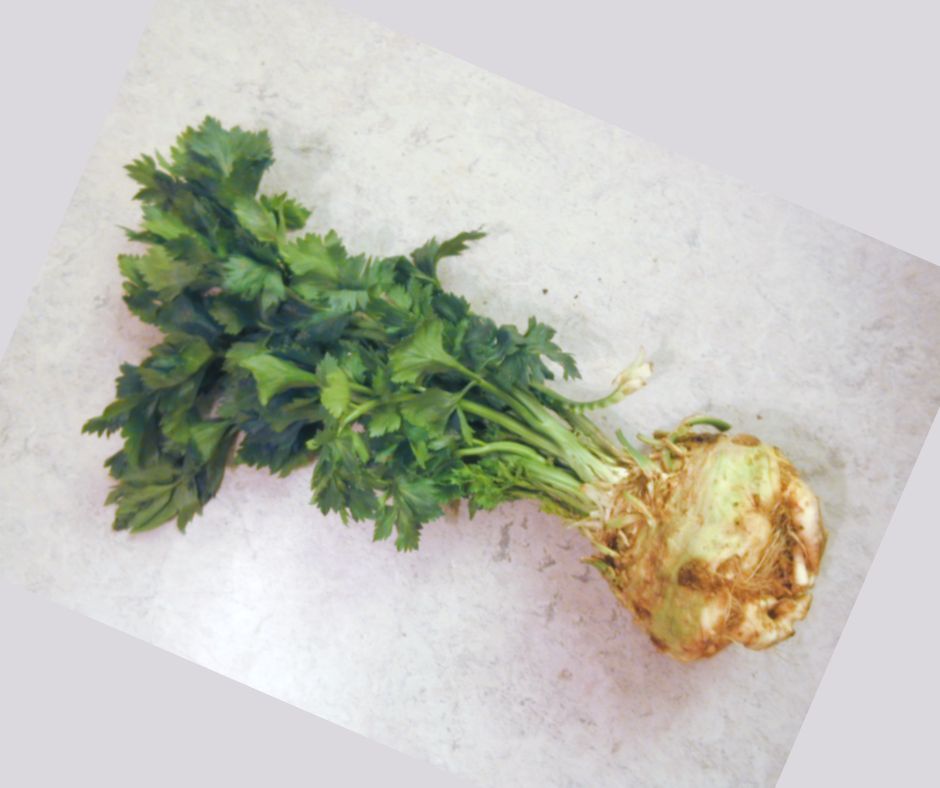
There are actually three sub‑species of celery, each grown to take advantage of a different part of the plant:
• Dulce – grown for its crunchy stalks, dulce is the mildest celery in flavor.
• Rapaceum – grown for its root, its stalks and leaves are sharper tasting and better for seasoning. When you look at a bed of leaf celery versus celeriac, aka root celery, it’s easy to tell them apart by leaf growth: leaf celery is tall and upright, and root celery is short and spreading.
• Secalinum – closest to the wild celery variety, grown for its tiny seeds – miniscule, but strong and pungent in flavor. This variety is also grown for its leaves, which along with the seeds are the most nutritious and beneficial parts of the celery, containing the highest concentration of active compounds. Hence, the strongest flavor.
Back when it was a wild plant, celery was sacred to the Greeks, who crowned winners of the Nemean Games with a celery wreath. The Egyptians, too, revered the vegetable, as evidenced by braided bundles of celery found in Egyptian tombs. The Romans, however, believed that under certain circumstances celery could bring bad luck.
And indeed, all these beliefs are well-rooted in truth. This vegetable is truly powerful. It contains phytochemicals (yup, them again) called phthalides, which can relax the small muscles of blood vessels and reduce the secretion of stress hormones, thus helping balance high blood pressure. Plus, celery helps lower blood cholesterol levels.
Studies have shown that celery seeds aid in reducing blood sugar levels and may thus aid in treating diabetes. The likely active compound is celery’s essential oil apiol, extracted from the seeds, which is a diuretic and thus helps treat edema, disinfects the urinary system, and eases rheumatoid arthritis. Celery also contains a good amount of vitamin K, folic acid, and potassium.
Some people are sensitive to the allergen psoralen found in celery, which can damage DNA if one is exposed to sunlight after eating it. This allergen is apparently not destroyed by cooking or baking.
And although I found contradictory statements regarding celery and pregnancy -- including the Talmud, which says that a woman who eats karpas during pregnancy will bear beautiful children (Ketubot 61) – it seems more responsible to avoid celery during pregnancy, due to concern that it may cause uterine contractions.
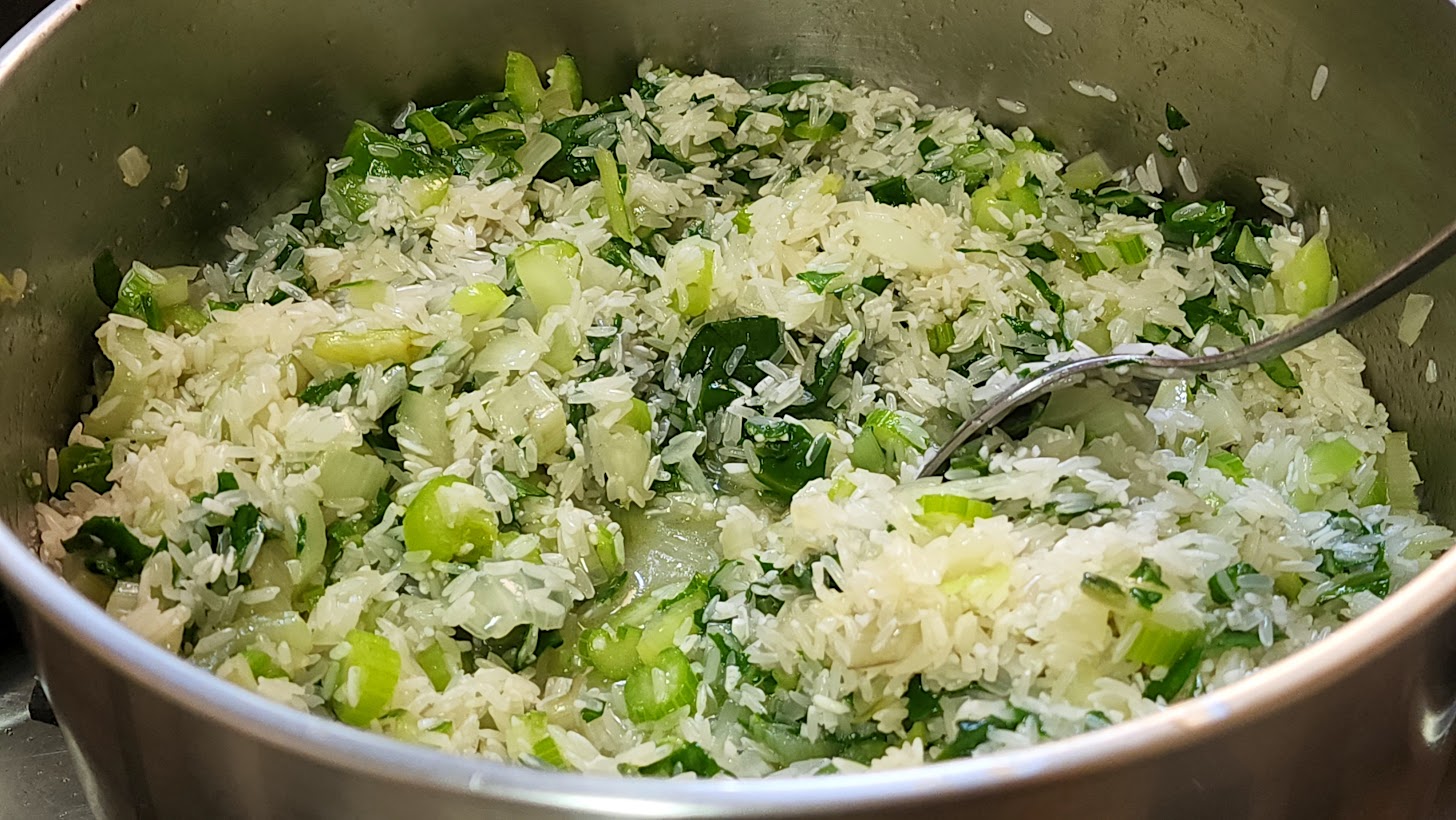
I suspect that most celery stalks in our world have fulfilled their destiny and their true calling inside vegetable soup. That was my main use for years, until I discovered riza hamusta -- the sour Kurdish rice dish. Since then, it’s hard to convince me to save celery for soup…
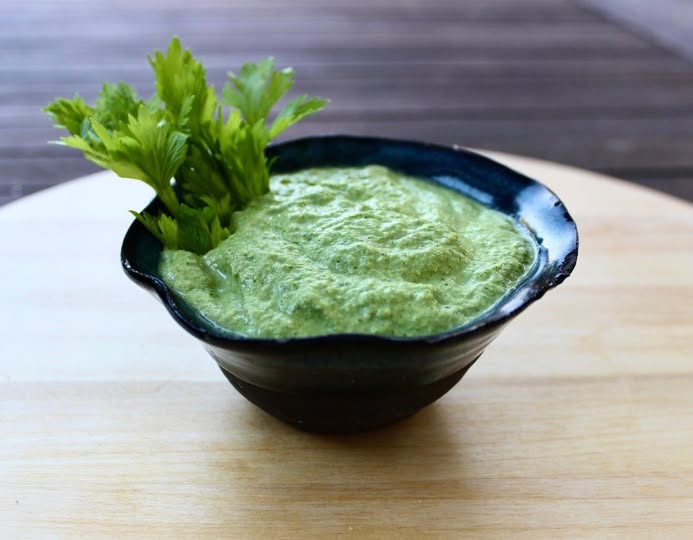
But celery can be used in many other ways. Celery is great when fresh and crunchy in a salad or in an invigorating, cleansing vegetable juice. You can even make celery pesto. Get creative!
Wishing everyone a sunny week bringing good news. Time to go out into nature and enjoy the crisp, fresh air!
Alon, Bat‑Ami, Dror, Einat, and the entire Chubeza team