The Weekly Newsletter of Chubeza Farm
THANK YOU!!
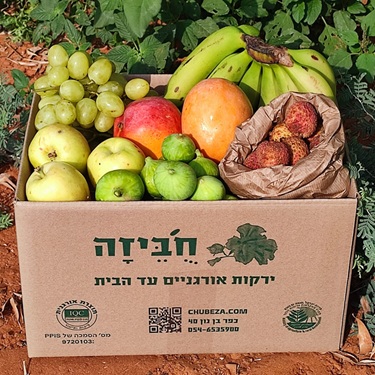
As the seasons change, so do the fruits. And now, the scrumptious, long-awaited summer fruit varieties are arriving! 


Summer fruit prices are generally higher, so to continue providing you similar fruit quantities as in winter, we’ve added the option of a large-size summer fruit box at 100 NIS.
The small-size summer fruit box remains at 70 NIS, containing smaller quantities.
ADD A SMALL OR LARGE SUMMER FRUIT BOX TODAY VIA THE CHUBEZA ORDERING SYSTEM: https://chubeza.easyfarm.co.il/
May the summer fruits sweeten your days!
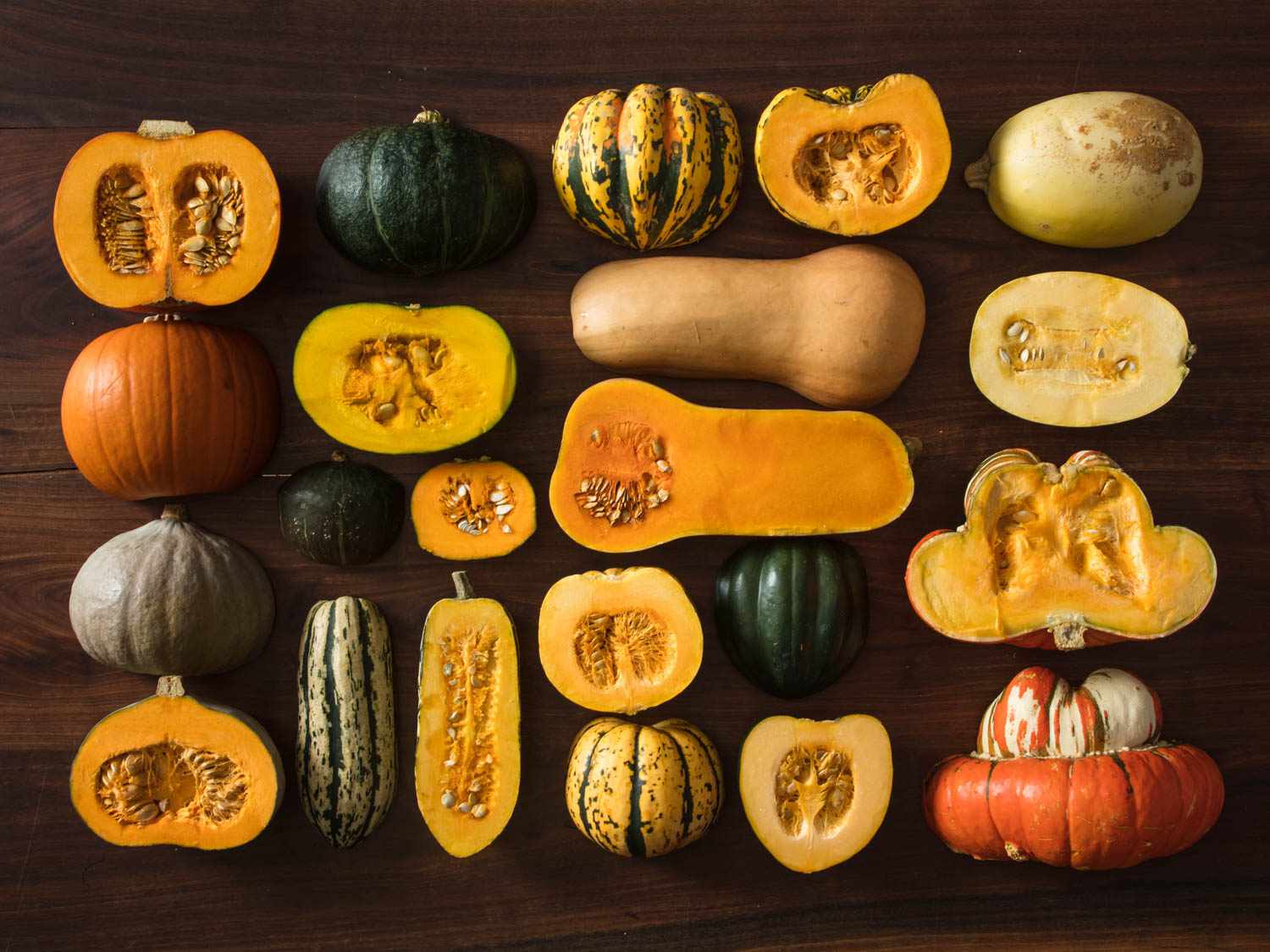
Each year, summer brings a rich array of tempting varieties of Chubeza’s squash and pumpkins. This ensemble arrives in green, yellow, orange or beige, dotted or striped, smooth or coarse, round, oval, pear-shaped, pointy, sharp, flat, petite, large, and even extra-large. What a field day for the lovely, colorful curcurbitas (Latin for the squash family), each so beautiful and tasty!
This year we’ve grown seven different squash varieties, from the giant Tripolitanian pumpkin which can neatly transport a shoeless princess, through the medium-sized Napolitano pumpkin, the sleek butternut squash, the fancy striped butternut, the magic spaghetti squash, the oh-so-orange Amoro pumpkins, all the way down to the small-sized green acorn squash. This year we also grew a compact, fits-in-the-palm-of-your-hand white acorn squash variety. This broad assortment spans varieties that differ on the outside and on the inside, varying in colors from green to yellow to salmon, beige and deep orange, with textures and flavors from mild and neutral to nutty and sweet.
They’ve begun to trickle into your boxes for a while now: first the butternuts, pairs of green acorn squash (with white ones coming soon!), or the orange-hued Japanese pumpkin – the Amoro pumpkin. Coming now is the season for a host of small squashes arriving in your Chubeza box nearly every week. If these quantities seem overwhelming, fear not! We remind you that you need not use them right away. We prefer sending these pumpkins to you now, because here, crowded by the hundreds, they struggle to breathe. But on your kitchen counter or in a wicker basket in the living room, they’ll keep beautifully while enhancing your décor with a flair. If you keep them dry and ventilated, these squashes and pumpkins are good for another month or even two! If one begins developing a thin web-like film, just wipe it off with a dry cloth to prevent rotting.
Large and small pumpkins, squashes and zucchini (courgettes) all belong to the same botanical family (genus) and even to the same species. The distinction between zucchini and pumpkins depends on the stage at which they’re harvested and how we humans use them. All varieties are planted (in open fields, in their natural season) from late winter to early spring and grow from spring through late summer.
Zucchini are picked early, when their skin is thin and their seeds are undeveloped, sometimes only 40 days after seeding. Since we harvest the fruit before the plant manages to produce fertile seeds, the plant makes additional dogged attempts, producing more and more seed-bearing fruit to fulfill the mission of all plant-life (and animal-life): to spread its genes. Thus, we gain a long harvest season from a plant that just keeps on giving. But young zucchinis don’t store well, which is why they were traditionally eaten only in their natural season – spring, summer and early fall. Today, squash is even grown in wintertime in greenhouses, so their seasonal boundary has blurred.
Pumpkins (large and small), on the other hand, are harvested fully mature, when their shell is thick and hard and their seeds are quite large and hard (and ready for roasting). Since we wait for full ripening, they are picked some three to five months from seeding day. Our giant Tripolitanian pumpkin may need half a year!
Thanks to their hard shell, these pumpkins store wonderfully - even for months on end – making pumpkins a winter staple, especially in their ancestral home of North America where winters may be too cold for growing food. These beauties, called “winter squash,” kept well in silos, bringing summery sweetness to the cold wintery days.
Here's a parade of Chubeza’s glamorous squash:
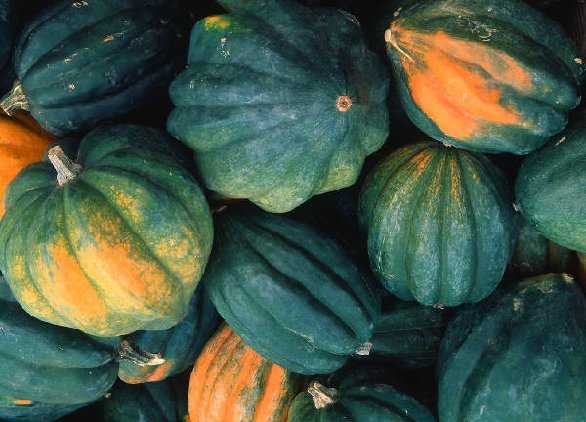
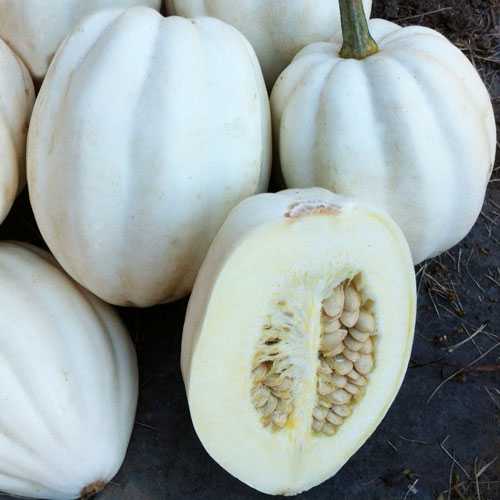
The acorn squash originated in Mexico and the U.S., where Native Americans domesticated the early varieties. The dark green variety growing in Chubeza’s field was introduced in 1913 and enthusiastically received, thanks to its sweet, nutty flavor, small size, and soft rind –
a huge relief for those battling the giant hard pumpkins. In the U.S., especially for those dining alone, the acorn makes a popular serving-for-one, as well as an ideal stuffed vegetable. The white acorn squash variety joined in the 1980s, adding diversity to the table.
The acorn squash’s dry, sweet and somewhat nutty taste earned its brilliant name “acorn squash.” Its sweetness blends beautifully with the savory – olive oil, salt, pepper and herbs – as well as with the touch of a gentle brush of honey or date syrup. The ridges lining the acorn squash make it somewhat hard to peel, but the good news is that there’s no need! It’s great to eat right in the shell. And if you insist on peeling, do it right after baking or cooking when it’s a cinch to slip off.
Acorn squash contains more vitamin C and calcium than other squash varieties, and less vitamin A. If you treat it kindly, it will keep for several months, adorning your tabletop in its artistic shell, though its flavor will fade. So let it decorate your countertops for a week or two and then whisk it straight to the oven and onto your plates!
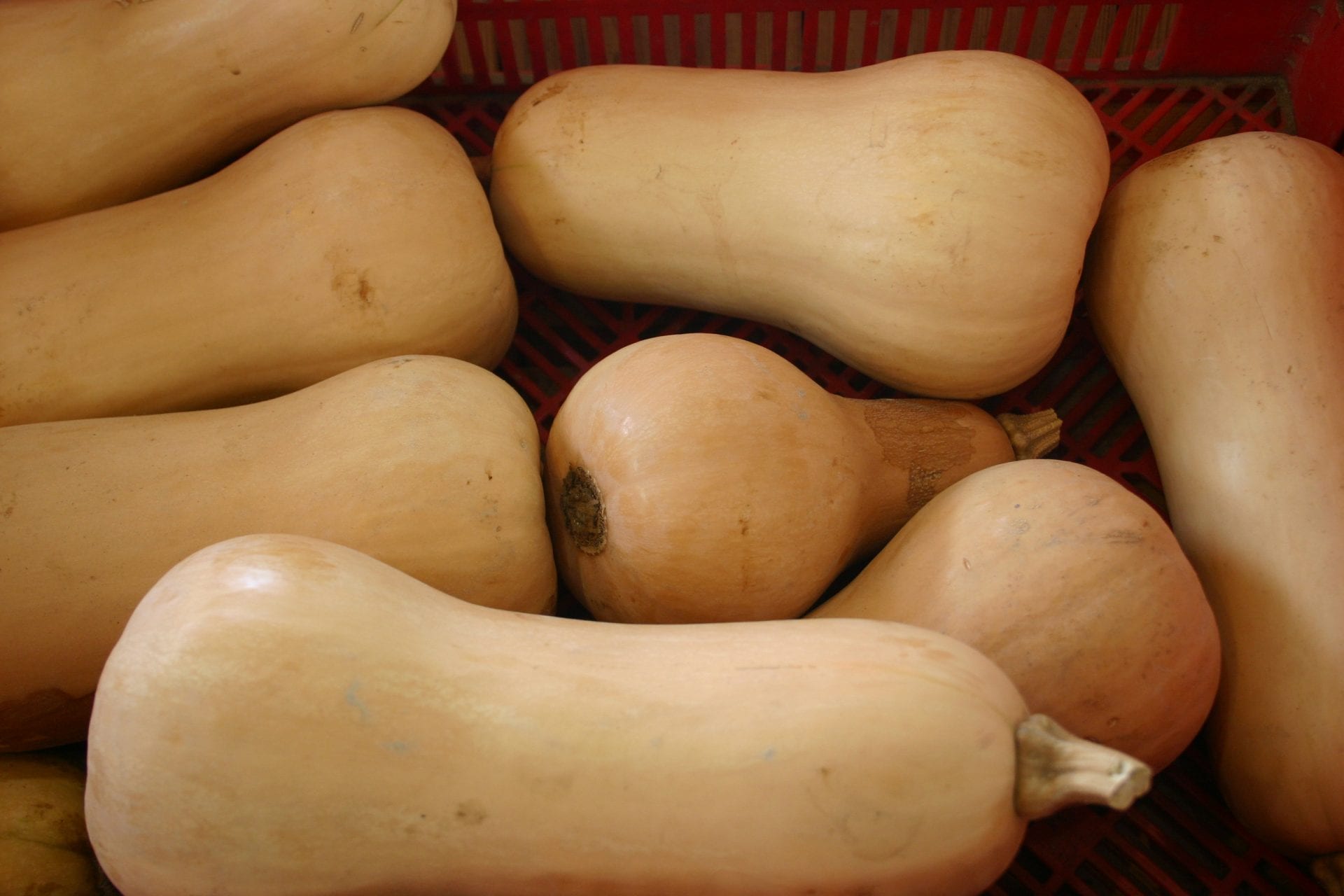
The butternut squash was most likely developed in the 1940s by an amateur gardener (neither farmer nor scientist) named Charles A. Leggett who experimented with breeding on a tiny quarter-acre plot near his house in Stow, Massachusetts. Eventually, Leggett brought the fruits of his experiment to the nearby Waltham Field Station to show them what he’d developed. They loved it! He named his baby “butternut” because he thought it was smooth as butter and yummy as a nut. It arrived in Israel in the 1980s, where it received the cutesy name “dalorit.”
The butternut squash tends to be fond of hot, humid tropical weather. More than any of her relatives, the butternut just can’t take cold weather, which may be why it is the most popular of Israeli squash varieties. Early varieties were chubby (with seed-filled bellies) and very long, sometimes curved necks. Over the years, other variations were developed, some with shorter, thicker necks and smaller seed cavities to provide a uniform, thick-shelled vegetable as demanded by the market. Like zucchini, butternuts can also be harvested early, and they’re quite tasty when young (some say even yummier than regular squash). They’re fun to grow in a home garden, where you can pick some for summer squash and allow others to ripen fully into the genuine butternut.
The butternut’s smooth rind makes it easy to peel with a simple vegetable peeler. It tastes sweet, and its flesh becomes silky after cooking, although there are those who claim that baking suits it best. The butternut is very rich in vitamin A, and under proper conditions can be kept for six months (but how could you resist eating it?). This year at Chubeza, we also grew a striped butternut! When the time comes, we’ll tell you all about it!
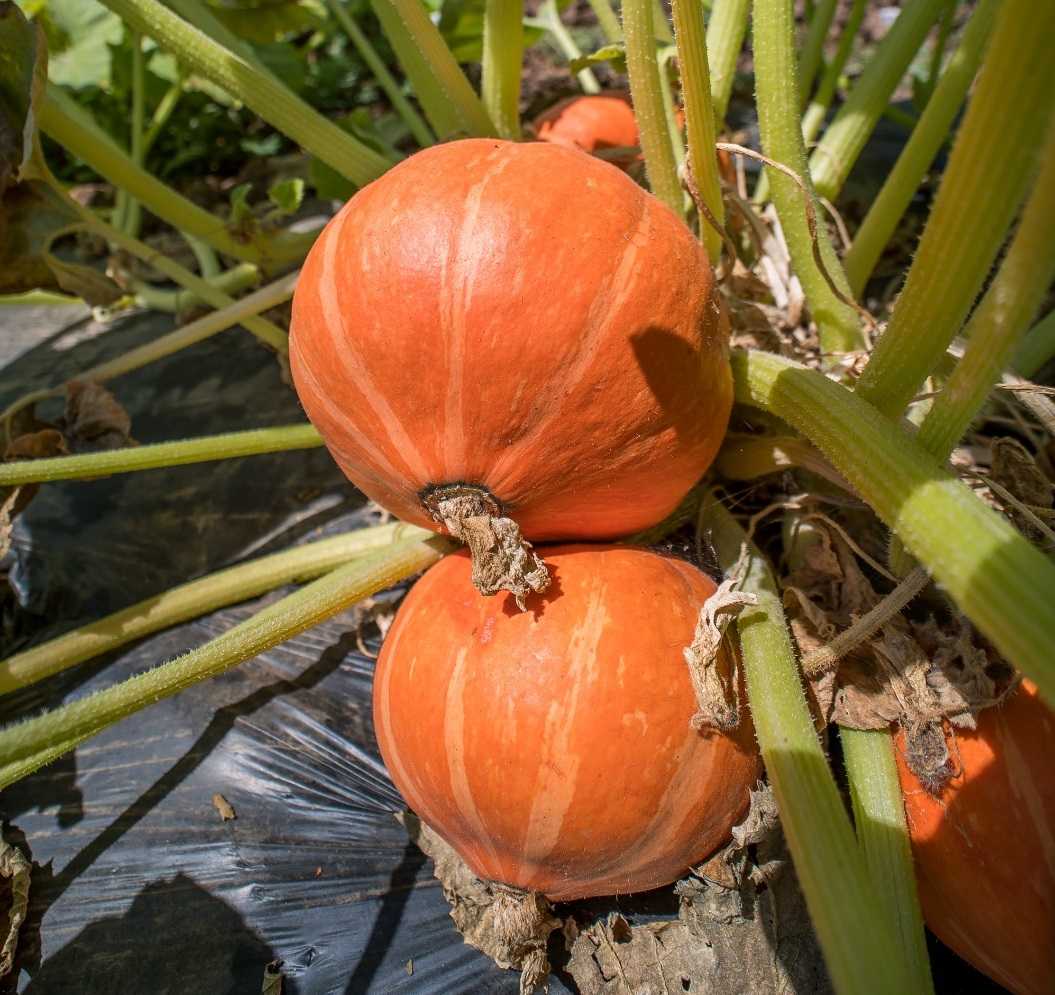
A love-struck guy or gal must have named the Amoro pumpkin, this round, flattened orange pumpkin boasting a “cute little rump.” She belongs to the prominent Kabocha or Japanese pumpkin group (which some call Hokkaido). Their defining characteristics: all have a thick, bumpy rind that’s very hard to peel, with relatively dry flesh.
“Kabocha” is Japanese for pumpkin. The origin of the name traces back to the pumpkin’s journey from Mesoamérica to Japan. After the Spanish and Portuguese reached America and discovered the new fruits and vegetables of the land, they began distributing them at upcoming stops on their sailing itinerary. Pumpkins apparently reached Japan in the mid-16th century via Portuguese sailors who brought them from Cambodia. It was named Cambodia abóbora, which was eventually shortened and distorted into kabocha. And thus, every pumpkin in Japan is a kabocha, which is also the name of this particular group.
The kabocha’s orange flesh testifies to its wealth of beta-carotene (vitamin A), which also supplies a generous quantity of iron, vitamin C and potassium. Its flavor resembles the acorn squash, but it’s hard to carve, which is why the kabocha should be softened first by steaming or light baking (first poke holes in the rind to allow the steam to escape). Then it can be easily cut and seeded to prepare as desired.
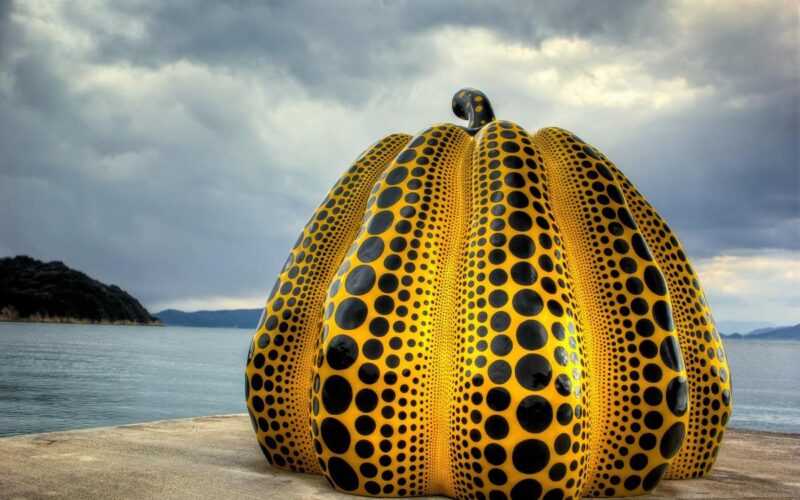
The pumpkins’ vibrant kaleidoscope of colors and shapes are just one example of Nature’s masterpieces. Sometimes human artists take this one step further. So, for dessert – here’s a stunning, wild pumpkin sculpture by pumpkin-loving Japanese artist Yayoi Kusama:
Wishing everyone a quiet week, filled with only good news. Don’t forget to drink a lot and stay in the shade and out of the sun!
Alon, Bat-Ami, Dror, Einat, and the entire Chubeza team