The Weekly Newsletter of Chubeza Farm
THANK YOU!!
Seeds of Summer
One morning, I opened a window
And caught a fragrance, so slight and thin
A summer like one that had been here before
I declared, "A strong summer is settling in”
How do you like being
A flower with a little white puff?
A gentle breeze will flutter by evening
And carry your head far and above.
- by Meir Ariel (English translation: Aliza Raz-Melzer)
Summer is definitely here. No doubt about it! And last week it even “officially” arrived. Although this summer rolled in relatively gently – not bashing us full-force on the head – the air is still heavy and humid, temperatures are high, and we no longer enjoy the occasional respites of cooler days. At Chubeza, it's time to work in the stifling heat, day in and day out. Summer smells like the sea, the swimming pool, and sunscreen. It carries the fragrance of ripe fruit – melons, figs, grapes, and peaches so lusciously ripe that they’re nearly fermenting.
In our packing house, summer has a strong scent of basil. When boxes brimming with basil stand in the packing house, it’s impossible to ignore this powerful aroma, immediately activating the salivary glands to already taste the future pesto. And now, it’s time to declare Basil as the aromatic star of this week’s Chubeza Newsletter!
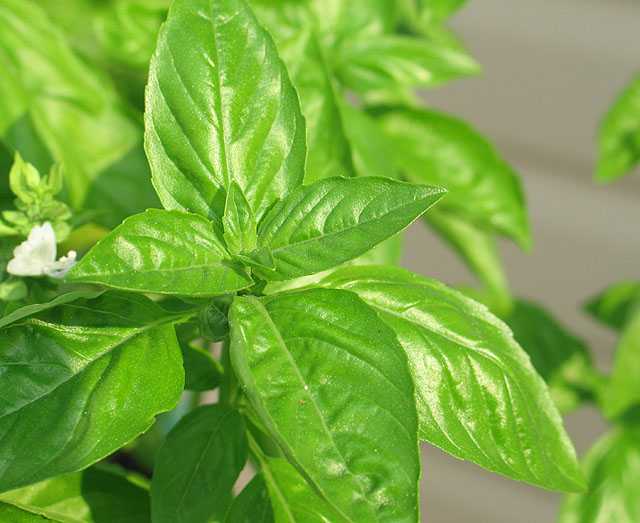
Basil is a heat‑loving plant. In wintertime, it wilts from the cold. Sometimes it can survive the winter if it happens to be a protected indoor plant (in a sunny corner). Basil is common in such warm areas of the world as Asia, Africa, Southern Europe, and California. It belongs to the prominent Lamiaceae family, but unlike some of its local celebrity cousins such as hyssop, lavender, sage, thyme, mint and others, basil does not grow wild in Israel. It is very common as a cultivated plant in gardens and pots, where it grows easily, providing you give it at least six hours of sun a day.
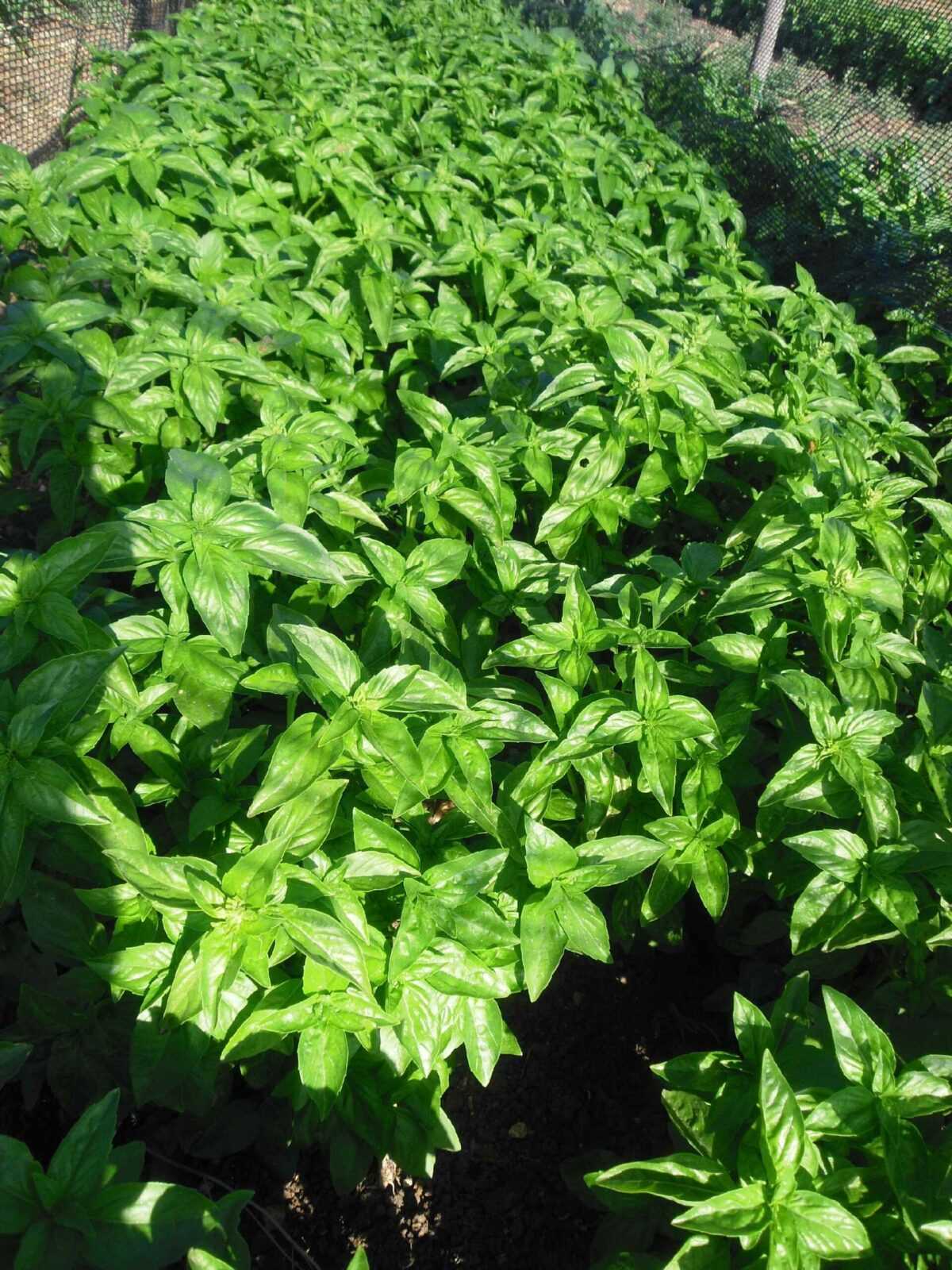
Although it is a champion pest repellent (more on that later), growing basil is not an easy task: it’s quite vulnerable to leaf diseases, especially the downy mildew which attacks the leaves and causes them to blacken and wilt. Which is why most of our attempts at growing basil in the past ended with a very small yield, and a major amount of disappointment… Several years ago, we heard about a new variety called Prospera, developed in Israel by researchers at Bar Ilan University and the Israeli seed company Genesis. Thanks to Prospera, we returned to regularly growing summer basil and restored that heady fragrance to Chubeza’s summer boxes!
There are various theories as to the origin of its name: basil or basilicum. Perhaps basil is named for the basilica, the rectangular church structure whose gardens often grew basil. Or perhaps it comes from Basilus, Greek for “king,” a title possibly earned by its bountiful medicinal properties. In Hebrew and Arabic, it is reichan, to mark its powerful fragrance (“re-ach”). The word reichan appears in Midrash Konen (Brayta d'Maase B'reshit): The third temple is constructed of silver and fine gold and all kinds of precious gems and jewels, and it is very great and all the good of heaven and earth is there. And all varieties of delicacies and spices and fragrant plants and varieties of reichan are planted there.
Legend claims that its name derives from a fearsome dragon named Basilia. Anyone who set eyes on this creature died a strange death, prevented only by a magic basil potion. To this day, basil is known as a proven remedy in repelling annoying insects and pests (a tad smaller than dragons….), which is why in Italy and France it is grown on windowsills as a natural insect repellent. A folk remedy prescribes placing basil leaves on the site of a venomous insect bite to draw out the venom. In a mixed vegetable garden, basil is used to attract beneficial insects and repel pesky flies and mosquitoes. And – planting basil alongside tomatoes and asparagus actually improves their flavor!
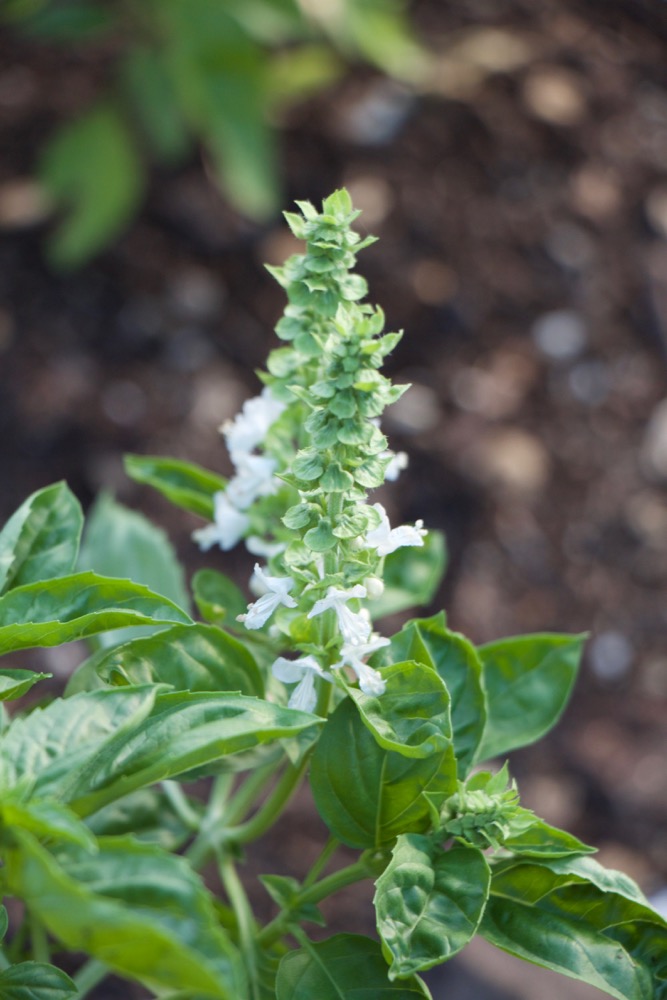
Basil can also serve as a secret partner in romance. When a Sicilian woman would remove the basil plant from her windowsill, this was a sign to her beloved that he may climb right up to her room. But it also assists Cupid in other ways: in Southern Italy, girls would don a garland of basil in their hair to signify their innocence and attract beaus. There, basil earned the nickname Bacia Nicola (Kiss me, Nicholas). A Romantic Italian man wishing to display his love would wear a sprig of basil in his lapel. In India, basil is a talisman warding off evil from a couple’s fertility, which is why basil is planted around homes and temples.
The Jews of Morocco, Yemen, Algeria and Tunisia use basil plants (usually purple basil) for their fragrance in the blessing over spices Borei Minei Besamim during the Havdala ceremony at Sabbath’s end. Basil’s wide variety of colors runs from deep green to deep purple (and everything in between); leaves both serrated and smooth, round or elongated, and a range of flavors. The one trait that all basil varieties share is its unmistakable scent, leaving no doubt as to its identity.
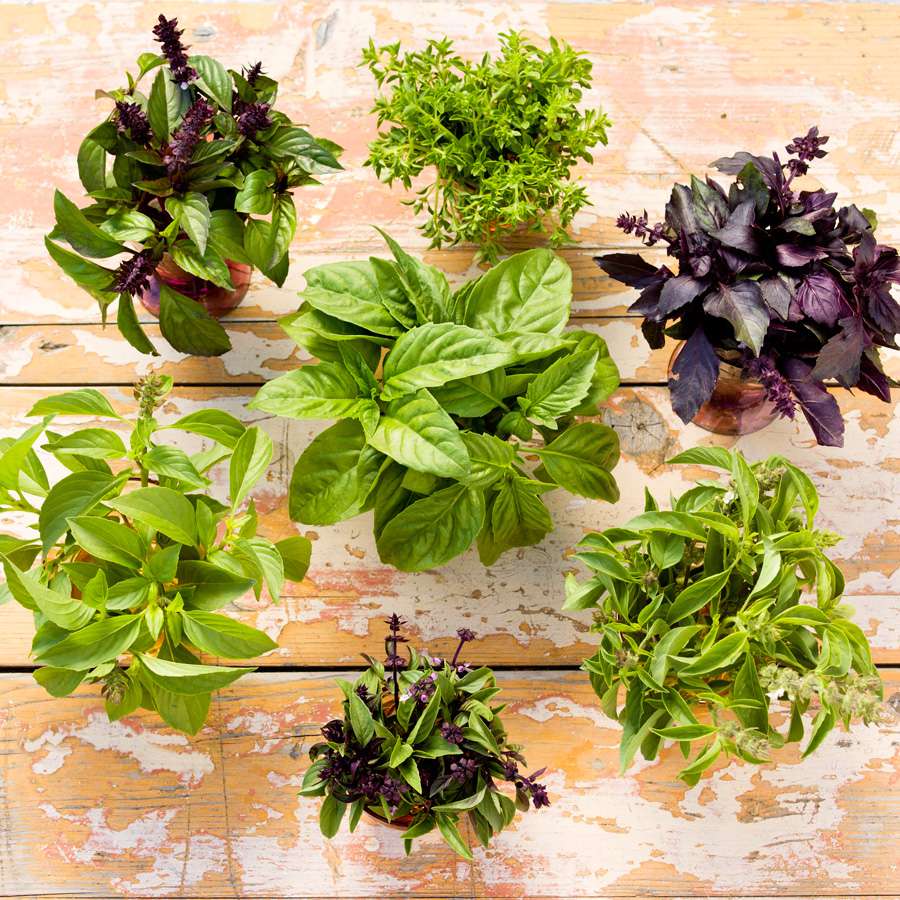
In folk medicine, basil tea is used to treat stomach ailments, and basil extract is beneficial for skin diseases. A blend of various herbs and basil is prescribed for insomnia sufferers, while eating basil seeds along with the leaves can help strengthen the heart. The etheric essential oil found in basil leaves boasts many antibacterial, antiseptic and antifungal virtues. It contains linalool, methyl chavicol, and eugenol which encourage perspiration and healthy abdominal function, treat respiratory diseases, and increase lactation for nursing mothers. Basil also contains vitamins A and C.
Basil tea (8 leaves to one cup of boiling water) can ease a cough, soothe intestinal gas, relieve painful gums and menstrual cramps, and maintain balanced blood pressure. It also lulls you into a good, relaxing night’s sleep.
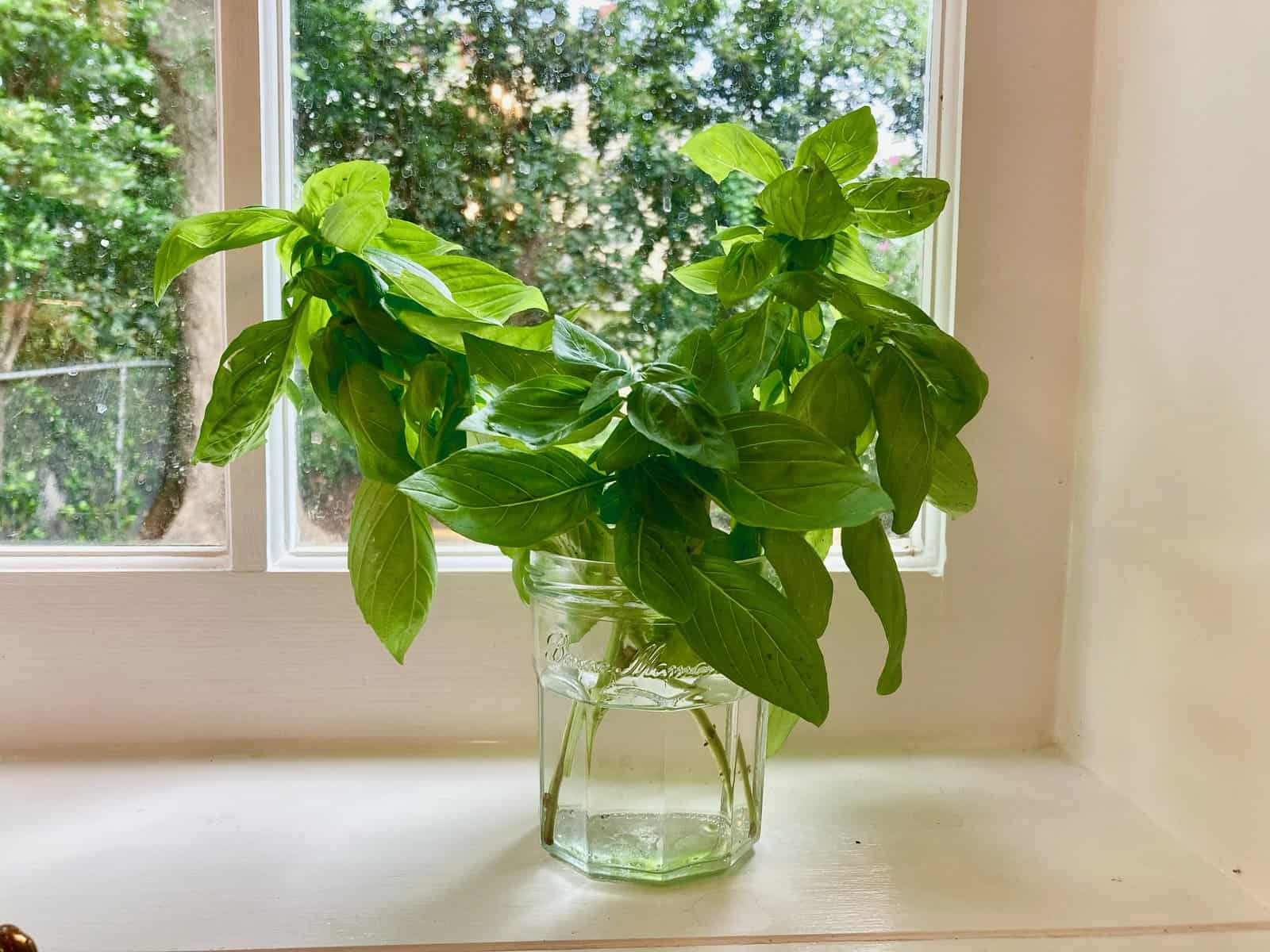
And finally – an important tip! How to keep basil fresh:
As mentioned, basil loves warmth and suffers in the cold, which is why keeping it in the refrigerator below 12 degrees will make it turn black and rot. But since it is a delicate green leaf, it will wilt if simply left on your counter.
To extend fresh basil’s lifespan: cut the ends of the stems cleanly, as you would with a bouquet of flowers, and place the garland of basil in a jar or glass of water (3–5 cm). Place the jar in a well‑lit space and cover the leaves in a plastic bag with perforated holes for the first 24 hours. Within several days, roots will grow, giving your basil vitality and keeping it fresh for a week or more.
So together with our lovely basil, we wish you all wonderful, fragrant, safe days of summer, brimming with love and good health!
Alon, Bat-Ami, Dror, Einat and all of us at Chubeza