The Weekly Newsletter of Chubeza Farm
THANK YOU!!
In the coming weeks, your Chubeza Box contents are transforming. The last of the winter veggie stars are now taking their final bows. In their place, your box is beginning to brim with the sunshine and warmth of spring and summer: zucchini, garlic, pumpkins, melons, fakus, spring potatoes and cherry tomatoes. We’ve already begun to tell you a bit about these new arrivals, and this week our stars are ----delectable fresh beans, with their crunchy pods - green and flat or yellow and cylindrical.
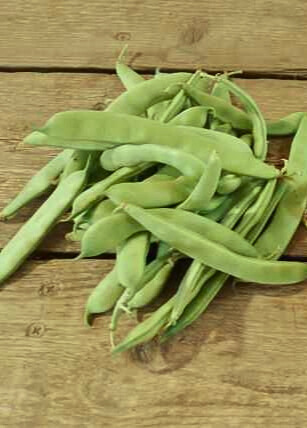
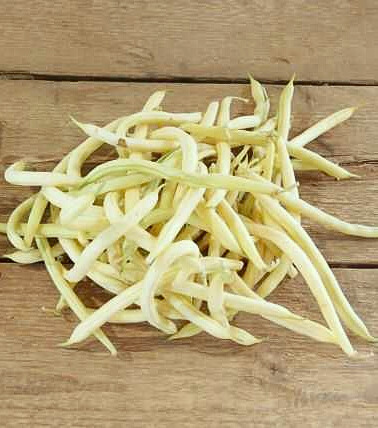
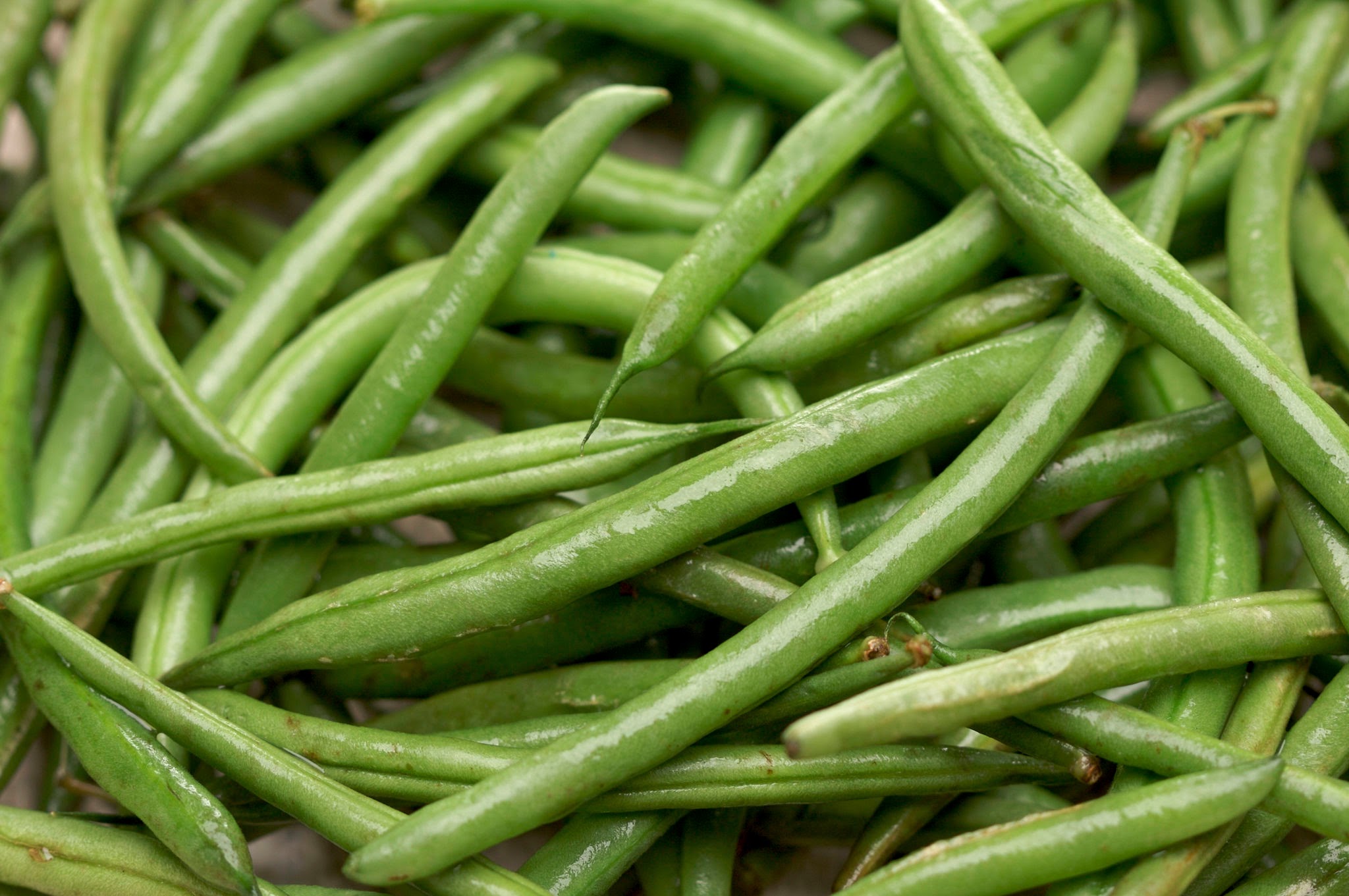
Fresh beans are special among the summer vegetables because, like the fakus, they appear now in the heart of spring, and won’t stick around through the entire hot, steaming season. Because beans are a crop that thrive on moderation. Other members of their family, the legumes, actually like extremes: significant coolness (fava beans and peas) or serious heat (black-eyed peas and soybeans). But green beans like it warm enough and breezy enough – the weather of the transitional seasons. That’s why they’re one of the few crops here in our fields that belong only to spring and autumn. They come to us for just a short time because soon enough it will get too hot for them… This year’s spring has been ideal for the bean: overall moderate and gentle. A true field day for the bean!
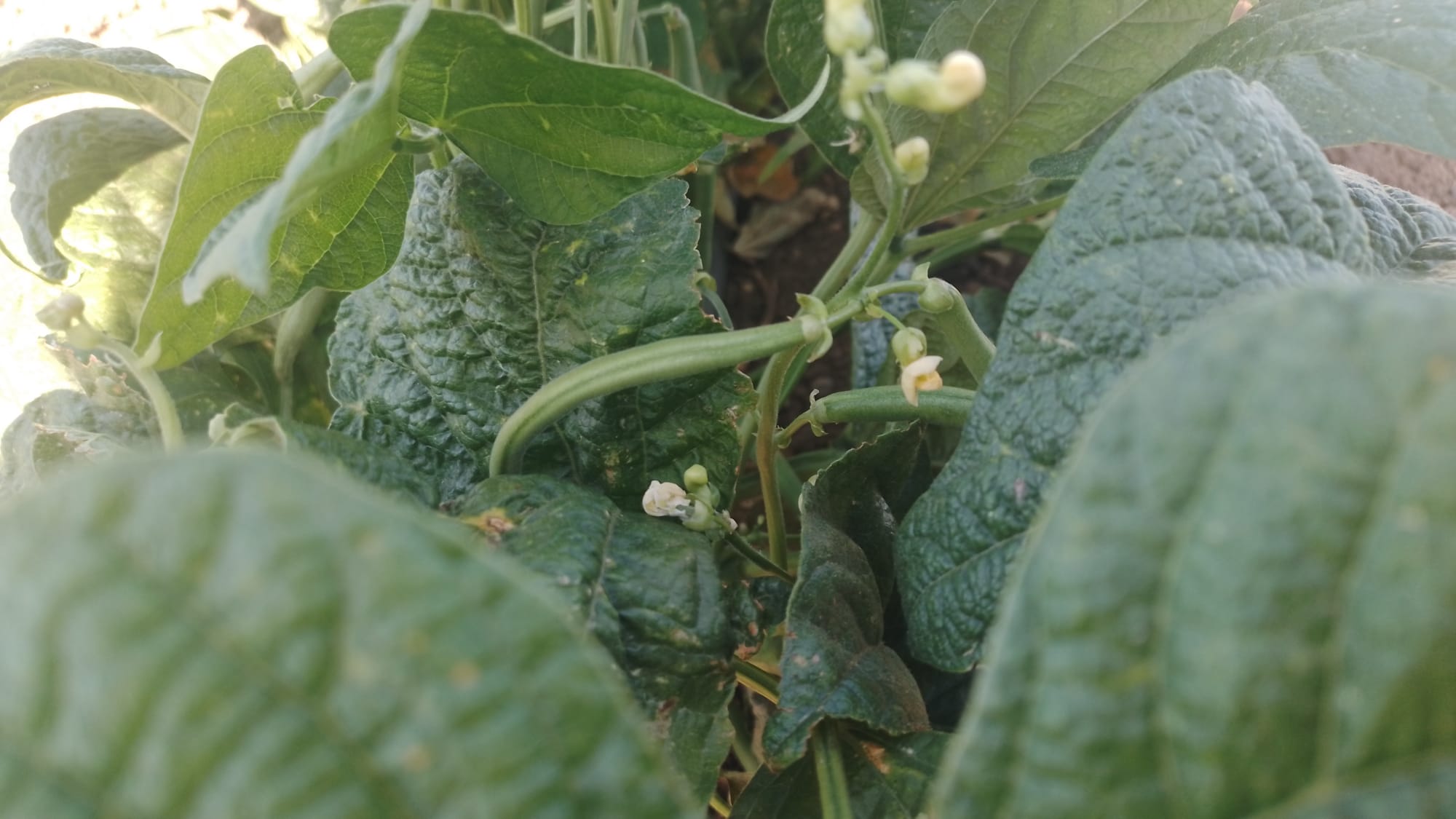
This year we planted three varieties: thin, bright yellow beans; flat elegant green beans, and the “classic” green bean. Our bean varieties are “bush types” (more on this soon) which grow on low shrubs and produce concentrated yields of yummy, fresh pods.
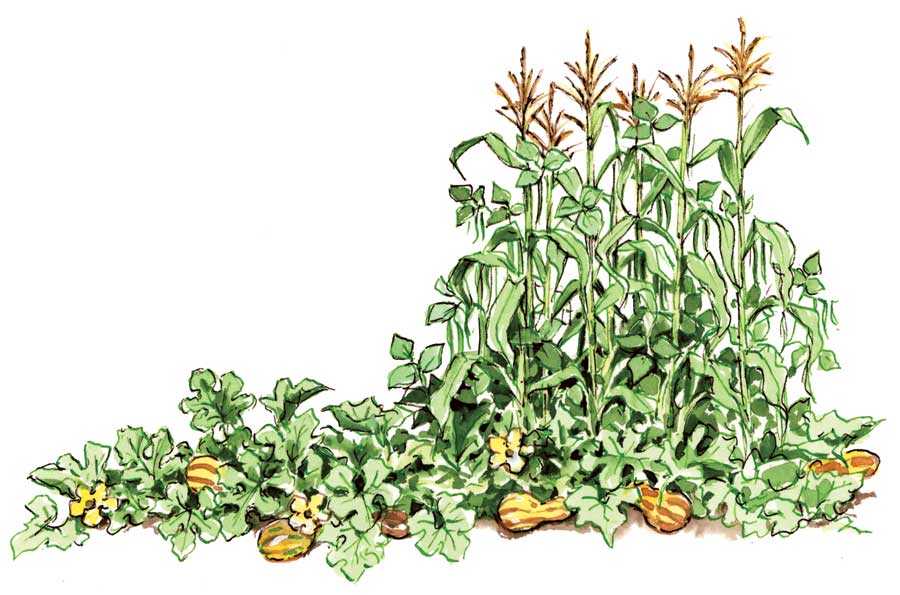
When ancient sources from our region, the Mishna and the Talmud, mentioned the bean (she’u’it), they were likely referring to the black-eyed pea (lubia), which has been prevalent in the Middle East since way back when. In contrast, the common bean (Phaseolous Vulgaris) originated in the tropical regions of the Americas, one of the “three sisters” of ancient American agriculture: corn, beans and squash. In those regions, beans were grown over 7,000 years ago, but until the discovery of the Americas, no varieties of the common bean were known outside that continent.
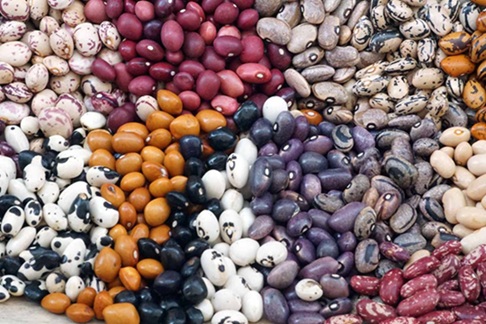
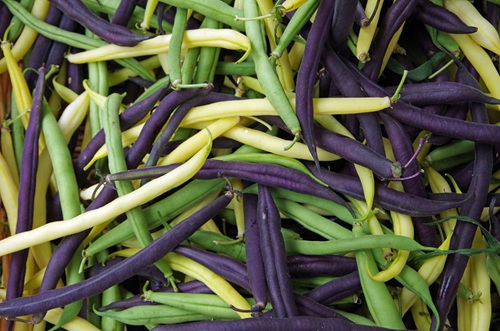
Like other legumes, beans are an annual crop with butterfly-shaped flowers which become pods for the plant’s seeds to lie inside. There are many, many varieties of beans, which are divided into two categories according to their role in culinary and nutritional use:
The first is the fresh bean, eaten in the pod young and green (or yellow, purple, speckled…). Fresh varieties include cylinder-like pods, wide or flat pods, thick or thin pods, and more. The seeds inside fresh beans do not fully mature and harden, keeping them soft and readily edible raw or after a short blanching. These are also the varieties we grow in Chubeza.
The second group is dry beans, only harvested after the pod has dried and the seeds inside are mature, hard and full. The pod is then shelled to extract the beans for use. Dry beans also come in a variety of colors and sizes: white, black, red, speckled, pink, brown and others. These beans must be cooked well and should also be soaked beforehand to shorten the cooking time and ease digestion.
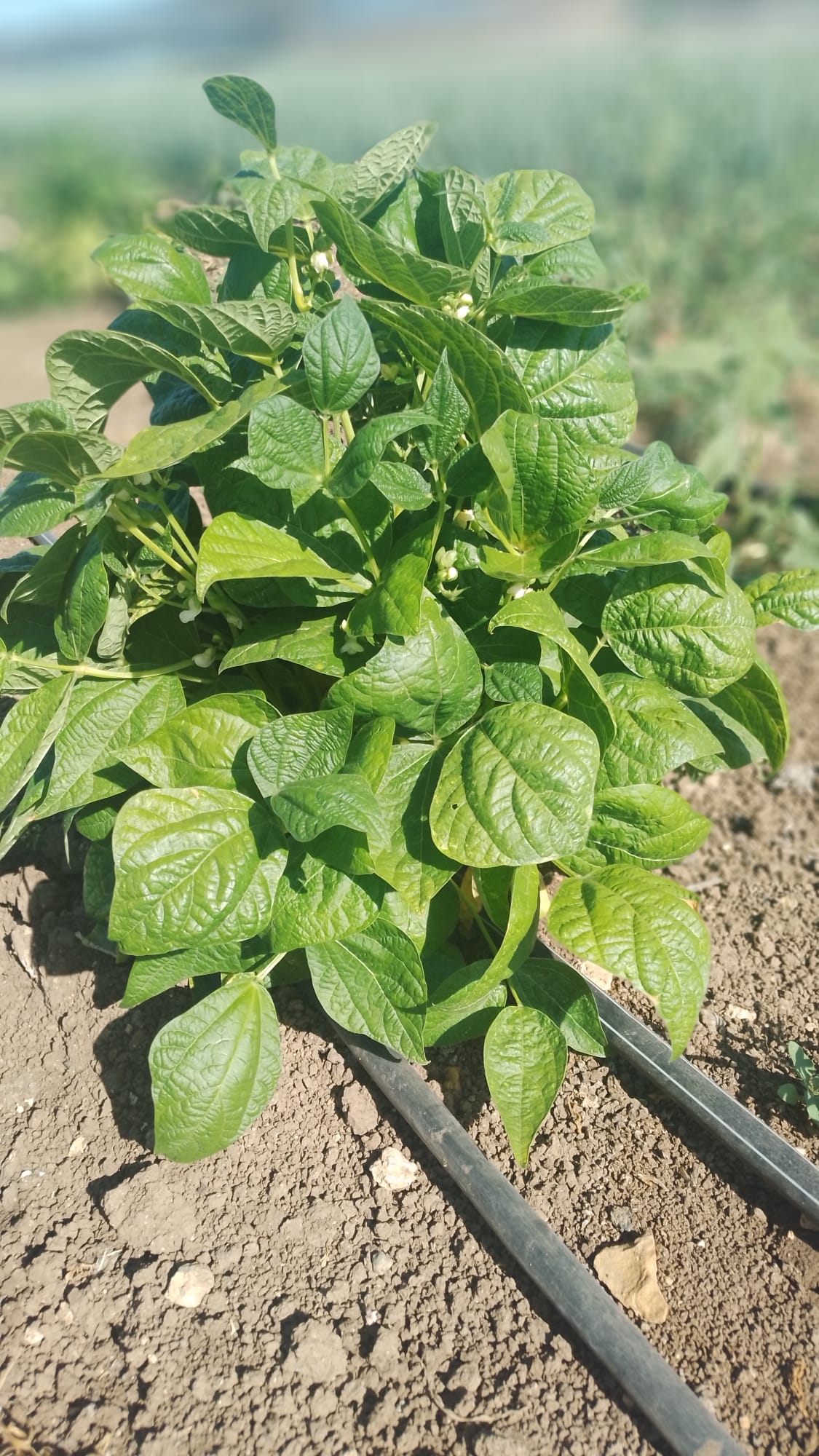
Different beans also grow differently. Many are bush types: low and compact, yielding within a relatively short time, and that’s it (like our thin yellow or green beans). Then there are the climbing types (like our own Thai lubia), which must be trellised upright and which take their time to produce pods.
An interesting fact about these two different growth habits is that they apparently developed independently by different farmers in different regions.
In Peru the cornfields were limited, and a climbing bean that required trellising would have demanded extra labor. So Peruvian farmers must have selected seeds from low-growing plants and developed bush varieties. These bush plants contain a gene that causes dwarf growth by limiting the number of stem nodes while directing plant tissues (the stems and leaves) toward reproductive growth (flowers and pods).
By contrast, in Mexico the farmers preferred climbing varieties since beans were grown alongside corn, which served as a natural trellising pole and saved labor for the farmer. The climbing beanpole was immortalized in the famous tale of Jack and the Beanstalk, where a poor boy climbs a giant beanstalk that he grew from magical seeds, embarking on a journey of self-discovery, finding happiness and wealth, and defeating “the bad guys.”
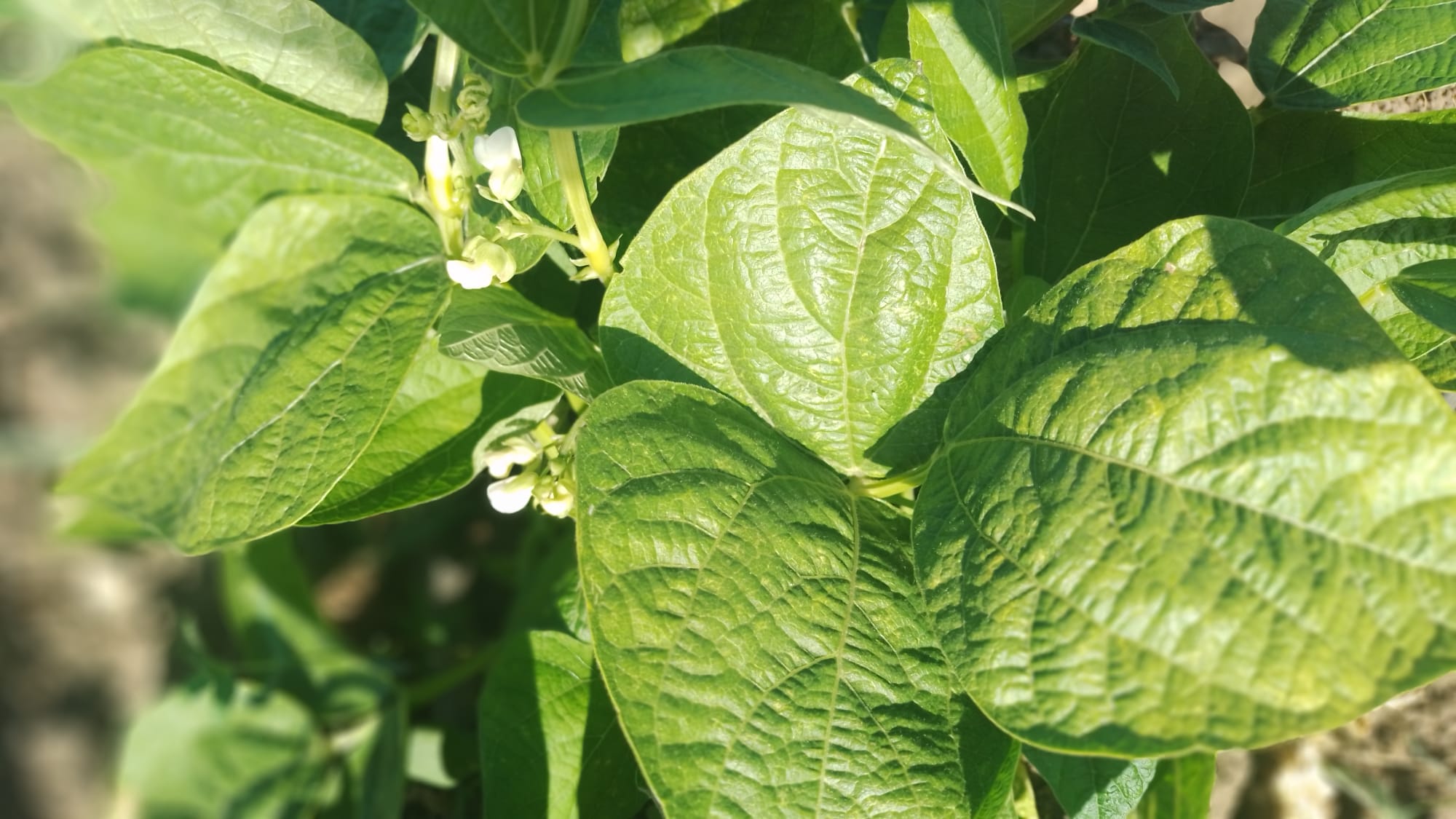
Beans are truly magical in yet another sense: as a legume, they have many soil-improving qualities. In symbiosis with the Rhizobia bacteria, they can fix nitrogen from the atmosphere and store it in the soil in a form available to crops growing along with or after them. The bean’s long roots anchor the soil and help prevent erosion. Thanks to these distinctive traits, beans are very easy to grow and will even take hold in very poor, difficult soils.
In South America, these qualities make the local bean varieties “worth their weight in gold.” The bean is seeded in Brazil, Nicaragua, Guatemala, Honduras and other places in small, local farms, on the slopes of rocky mountains as a “cover crop.” The plants are cut and left in place while still green, and the next crops (mainly corn), are planted directly into the organic matter. The result is a doubling or even tripling of the corn yield, and improved soil fertility for years to come. Truly a magic bean!
Beans are high-nutrient vegetables. Dry beans are rich in protein stored within their mature seeds, while the fresh, youthful beans contain a lot less protein, and thus, in nutritional terms are not considered a “plant-based protein source.” Not to worry – fresh beans contain plenty of other good things: an excellent source of vitamins C and K and manganese, they are rich in dietary fibers, potassium, folic acid and carotenoids (pro-vitamin A.) Fresh beans also contain good amounts of magnesium, copper, calcium, phosphorus, protein, omega-3 fats and B-vitamins.
Beans can – of course – be cooked, steamed, grilled, pickled, added to pasta, rice, salads, vegetable stir-fries and virtually any veggie dish to add taste, color and festivity to your meal. Bon appetite!
Wishing junior high and high school students (so far) a great summer vacation, and a wonderful week for all!
Alon, Bat-Ami, Dror, Einat and all of us at Chubeza