The Weekly Newsletter of Chubeza Farm
THANK YOU!!
THE RAIN
I hear leaves drinking rain;
I hear rich leaves on top
Giving the poor beneath
Drop after drop;
’Tis a sweet noise to hear
These green leaves drinking near.
And when the Sun comes out,
After this Rain shall stop,
A wondrous Light will fill
Each dark, round drop;
I hope the Sun shines bright;
’Twill be a lovely sight.
-W. H. Davies

RAIN!!! What sheer joy and true blessings these drops bring, as they’ve kept falling on our fields here in Kfar Ben Nun over the past few weeks. The rains come in lovely, steady rhythms (without fury or flooding), alternating considerately between rainy days and sunny ones. This rain is arriving exactly in its designated time – the month of Tevet (in Akkadian tebitu) – meaning something you sink or drown in (mud), named for the rains that flood the roads and fields. Chubeza’s field is quite saturated and happy, making us greatly happy as well. We fervently hope and pray that the precipitation won’t come to a sudden halt, and that we will be blessed with a winter that continues as it began, with healing rains, saturation, growth, and healthy renewal.

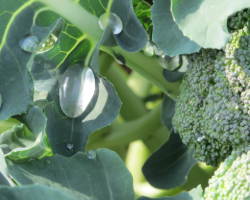
What is this rain that falls upon us from above, anyway? If you were to ask the Polynesians, they would tell you it is the tears of Rangi, the Sky and the Father of all things, mourning the forced separation from his wife Papa, the earth.
If you ask scientists, they will explain that vapor condenses into tiny droplets that merge until larger, heavier drops form and fall downward, collecting more droplets along their way.
The Druze will tell you that on winter nights, along with raindrops are salamanders that fall from the sky – called “Abu Raflin” (Father of Puddles). This is why they are black as night, till lightning streaks them with spotted yellow flashes…
Contrary to how we usually picture them, raindrops aren’t actually “drop” shaped at all… Raindrops are either round or elliptical and sometimes flattened. They fall to the earth at breakneck speed – over 7.5 meters per second! Quite an impressive performance for a tiny droplet as miniscule as several millimeters.
But of course, rain also brings challenges, especially in harvesting and packing. So, here’s a sneak peek at how the Chubeza team prepares for the rain, and what we do on days when it really pours.
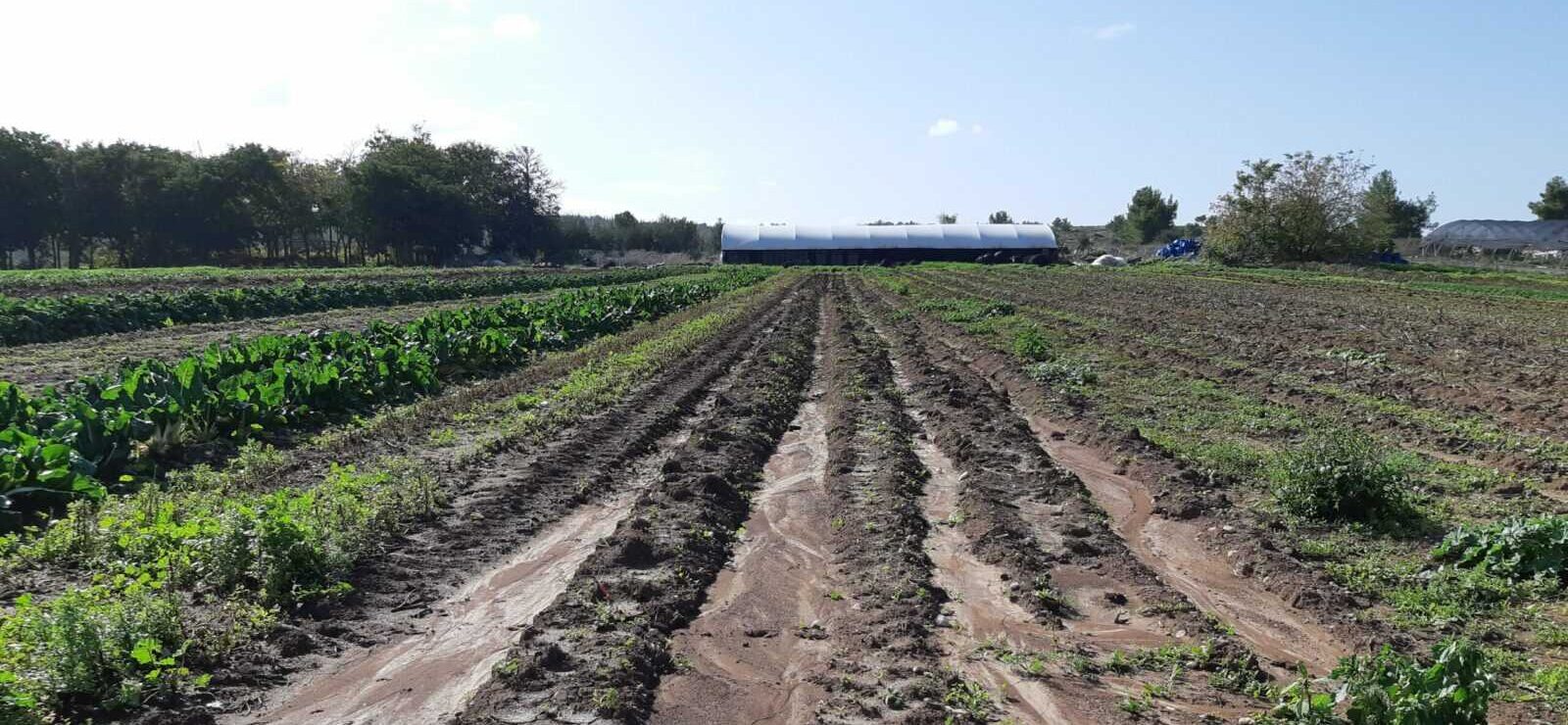
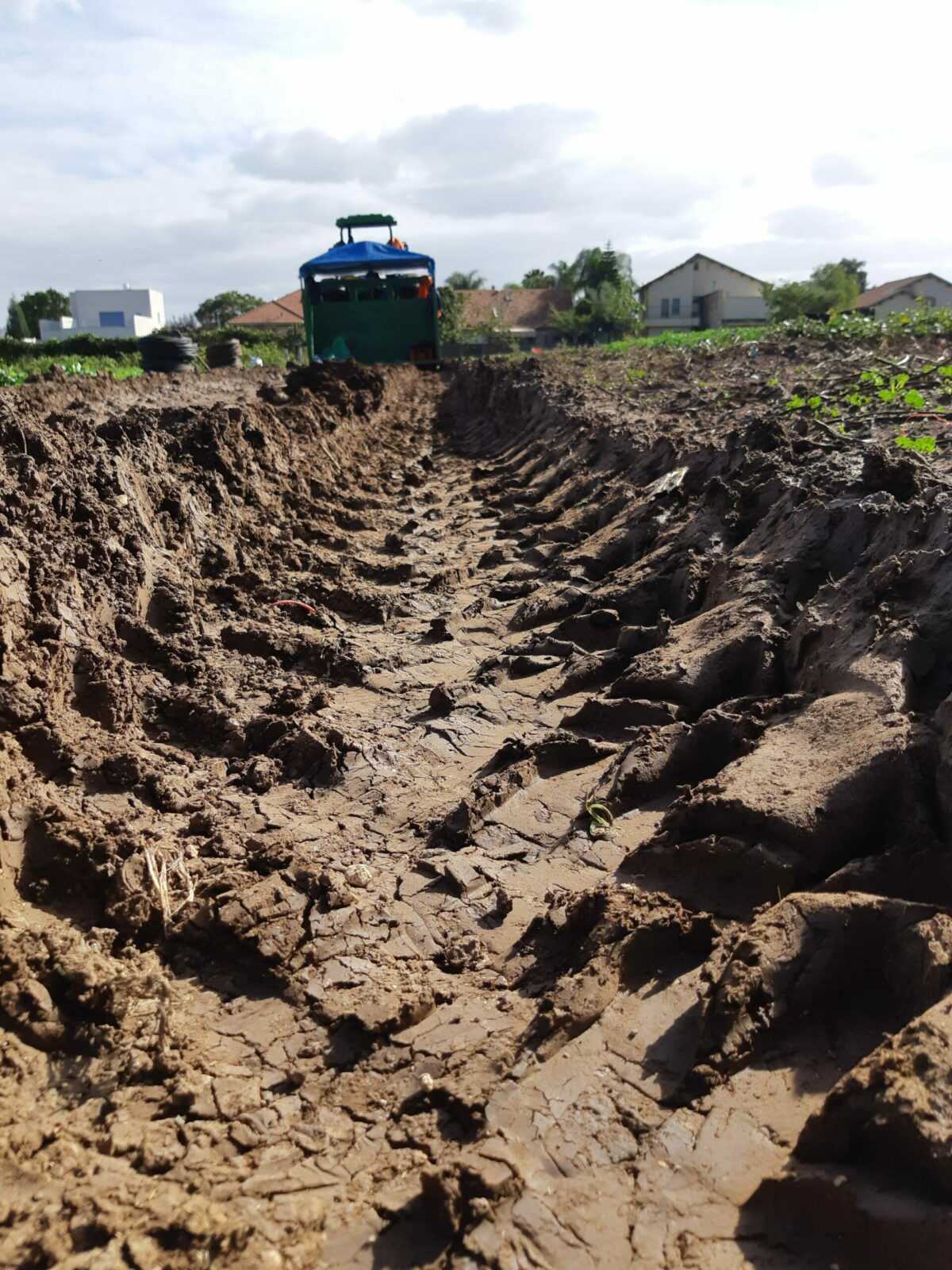
On rainy muddy days, and even a day or two afterwards, we try to reduce our work in the field. Soil does not appreciate being disturbed when it’s thoroughly soaked with water. This is especially true for heavy soil like Chubeza’s – terra rossa – typical of the Judean Lowland valleys.
As you’ve noted in your boxes, terra rossa is a thick red, clay-rich soil brimming with iron oxides. It is prevalent in mountainous areas of limestone and dolomite, in which the weathering process creates clay. As the rains fall, terra rossa soil washes down from the mountains and gradually accumulates in the nearby valleys, including our own Ayalon Valley.
This red soil is also the material comprising terracotta from which pottery is made, and it is the finest soil particle (with tiny grains smaller than 0.004 mm). It absorbs various minerals, which is why this soil sports a kaleidoscope of colors in nature.
When this earth is wet, it retains water and becomes extremely muddy. It also retains several minerals, which is why the soil is multicolored in nature. When it (slowly) dries, terra rossa soil contracts and naturally crumbles into small clods, allowing roots, water and air to penetrate. It morphs into an extraordinary soil for growing crops: porous, aerated, water-absorbing, rich and fertile, a virtual reservoir of iron oxides, potassium oxides, calcium oxides, and even nitrogen.
However… clay soil that gets wet absorbs water and turns to mud. When it is wet, too much handling awakens the terra rossa’s secret desire to become an artistic medium. It swiftly hardens and stiffens, highly complicating the seed’s ability to sprout and the plant within it to grow. Which is why at Chubeza we try to take a break for a while and resume planting and weeding only after the moisture is primarily absorbed and the earth is not so muddy.
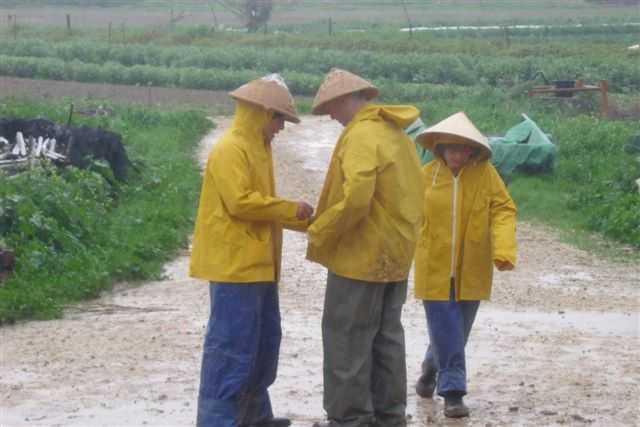
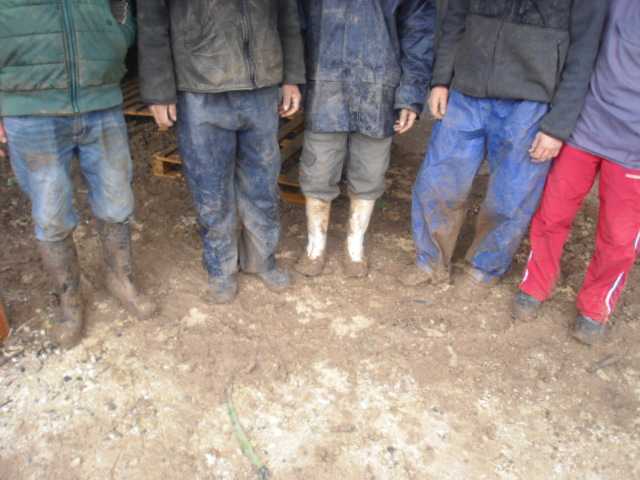
But vegetables still need to be harvested, and your Chubeza boxes still need to be filled… Working in the rain – or even a day or two (sometimes three) afterward – means wading through mud. And when I say “wading,” imagine boots loaded nearly to the top with sticky, brown, wonderful – and very heavy – mud. And soooo heavy. After a few steps, you need to flex every muscle in your legs, from thigh to toe, just to lift one foot and then the other and take one or two steps toward the next bed. On the way back to the packing house, we try to shed as much mud and weight as we can – jumping, dancing, rubbing against any random flora in the middle of the road, trying to leave as much of that brown glop behind. Taking off your boots at the end of these muddy, wet workdays feels like sprouting wings. For a few blissful moments, you are ready to float…
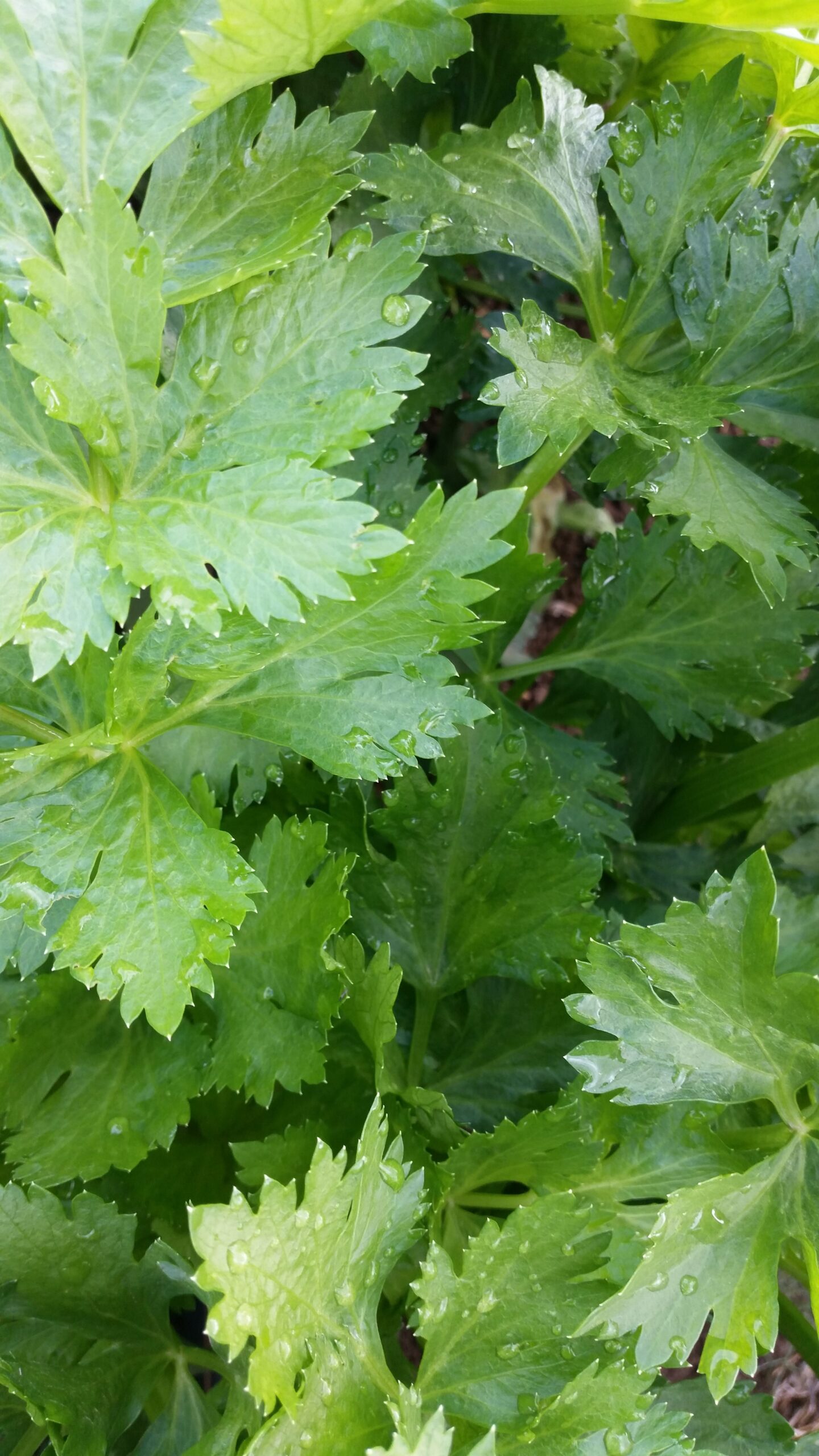
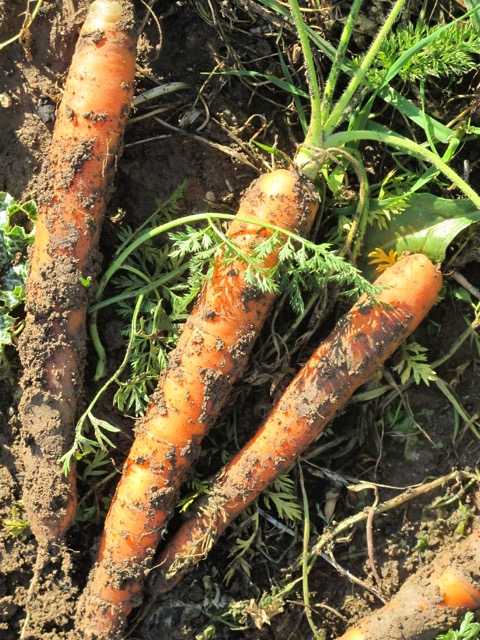
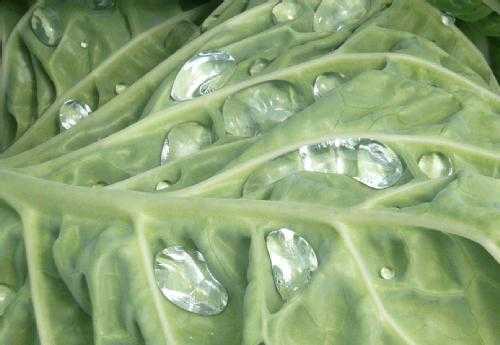
Harvesting in the rain is no simple matter. Besides the fact that we, the harvesters, get drenched, the veggies face daunting obstacles as well.
When our terra rossa soil is sticky and muddy, root vegetables are quite tough to pull out. Even when they do emerge, they are so caked in mud that cleaning them is a lost cause. So, when we know rainy, muddy days are heading our way, we harvest the root veggies early. The carrots, beets, potatoes, and the rest of this week’s roots were harvested last Friday.
Wet leafy greens are also a problem, since moisture can cause them to wilt and rot. If we harvest them in the rain, we must shake the leaves hard to remove water before packaging them for you. Sometimes, for tougher greens (chard, kale, parsley, and the like), we prefer to harvest them in bunches and not pack them in bags. At home, it’s best for you to place these greens in a bag or plastic container for storage. If you do receive wet bundles of greens this week, we strongly recommend you take them out of the bag, shake off excess water, and repackage them on the dry side of the bag or in a plastic container lined with a paper towel.
Fortunately, these rainy days also allow us to take care of things that keep getting postponed in the everyday workload in the field… One is the project of paving part of the storage shed next to our packing house (which Alon and I have been imagining and dreaming about for a good while) to create a shaded, dry seating area where we can comfortably host small groups or visitors. Everyday tasks that keep getting delayed for more urgent demands are making their way to the top of the To Do list at last. This week, we finally began the storage shed project: we spread base material and sand, brought interlocking stones (second-hand), and this week we hope to bring the vision to life. Wish us luck!
But aside from harvesting, carrying out various tasks in the packing house and greenhouses, and our little paving project, there is still plenty of time. So on days like today, when the rain just keeps on coming, we work half a day and enjoy a longer-than-usual rest. That too is a winter delight!
May we all enjoy continued “blessed” rains and good news, especially the crucial return home of Ran G’vili.
Alon, Bat-Ami, Dror, Einat, and the entire Chubeza team, happily sipping hot tea after half a day’s cold, wet work…