The Weekly Newsletter of Chubeza Farm
THANK YOU!!
Summer is galloping our way (or maybe we’re galloping towards it?) Either way, Planet Earth continues to orbit the sun, and temperatures are rising…. In Chubeza’s field, the first summer produce is now ripening.
From this week, you can now add new "special" vegetables to your box: Green hot peppers of the "Lapid" variety, and the very distinctive, tasty "Maggie" and "Oxheart" tomato varieties. At this stage, we are growing limited quantities of these very special tomatoes, so they won't be included as a standard vegetable portion in your boxes. However, you can add them separately as an “extra” product through Chubeza’s ordering system under the category "Chubeza Vegetables and Fruits."

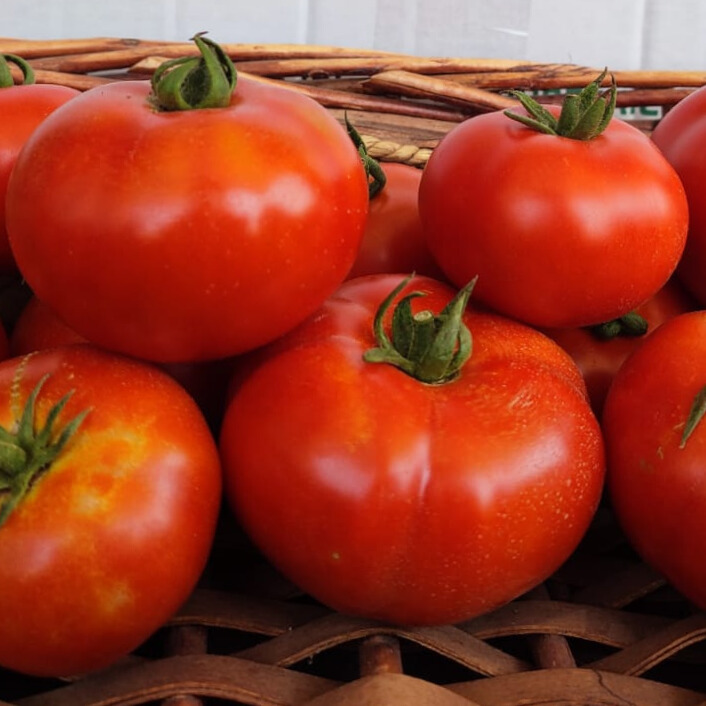
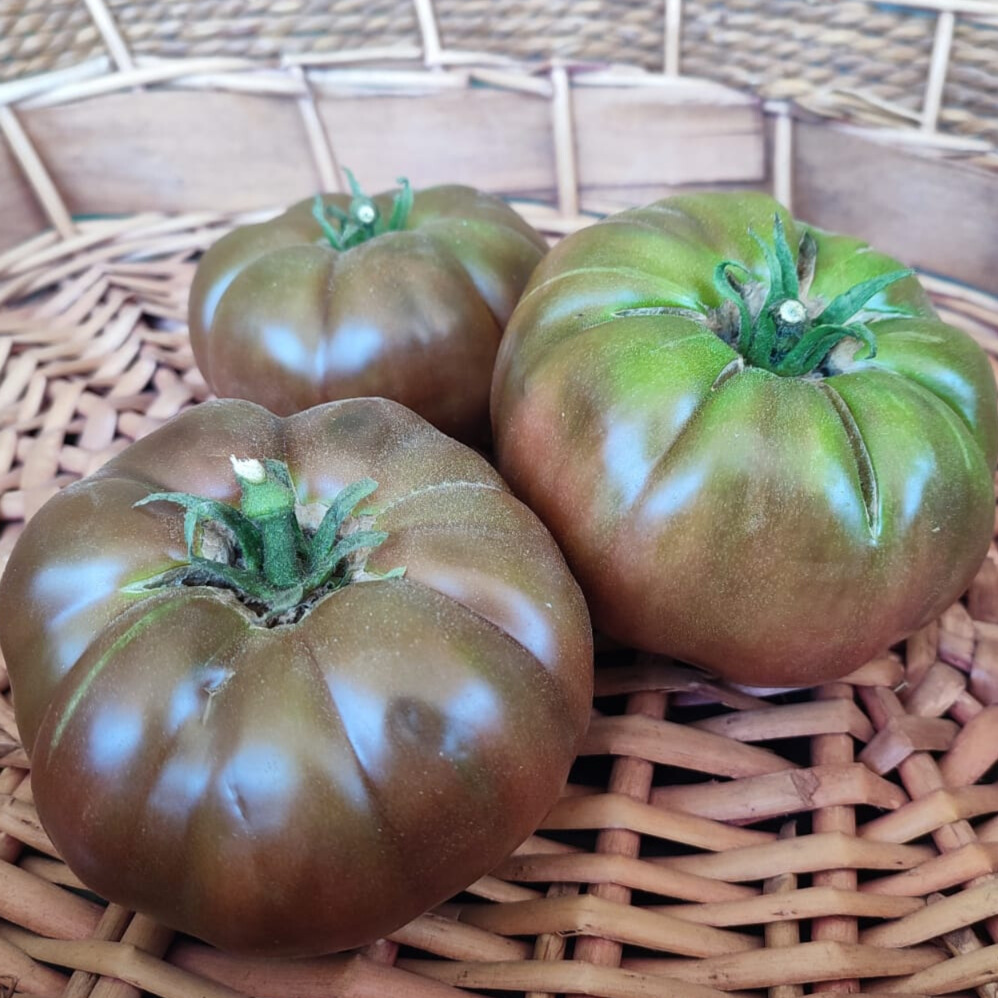
The tomato holds a proud place in your Chubeza boxes year-round, but in summertime she’s in full glory and flavor. Sometimes her routine presence makes us simply take the tomato for granted. But this year, as we launch the growth of two very special new tomato varieties, the time has come to give this “fruit of love” a starring role in this week’s Newsletter.
Tomatoes belong to the Solanaceae nightshade family, along with eggplants, peppers, potatoes, and… tobacco (!), plus a host of other plants. This family boasts many other wild and ornamental plants—totaling over 2,800 varieties! Tomatoes are tropical plants originating from Central America. The world’s first tomatoes probably grew in today’s Peru and Ecuador, then migrated north to Mexico to be raised by the Aztecs, who gave them the name tomatel.
Native Americans valued tomatoes, while love at first sight inspired Spanish explorers to bring tomatoes to Europe in the 16th century. The first varieties introduced were yellow, which likely inspired the Italian name pomodoro —meaning "golden apple." The Spanish and French later corrupted the name to pomme d'amour—"apple of love." Even the Arabic name bandora is likely derived from the Italian pomodoro.
In Hebrew, it was Yehiel Michel Pines, working alongside Eliezer Ben-Yehuda, who coined the modern name agvania for the tomato. He translated the German name Liebesapfel ("love apple") using the Hebrew root ע-ג-ב (which denotes passion or desire). Rabbi Kook attempted to propose a purer, more refined name: admonia, referring to its red color—but that didn’t catch on. Even in Ben-Yehuda's household, there were reservations about the name agvania, prompting them to suggest badura, a Hebrew adaptation of its Arabic name. Ultimately, desire and attraction won out, and agvania became the widely accepted term.
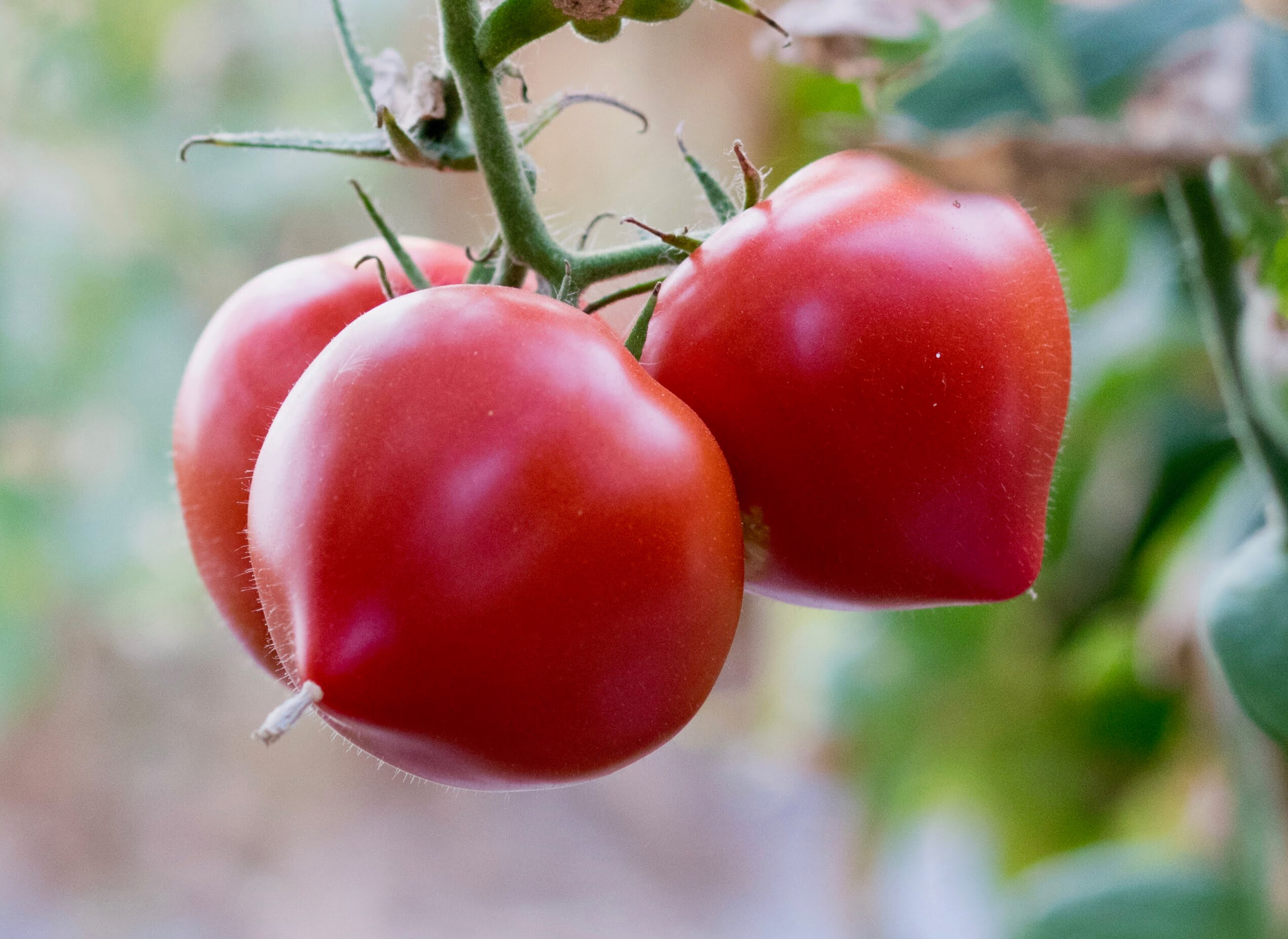
When tomatoes made their debut in Europe, they were grown purely as ornamental plants. The ladies of 16th century haute couture adorned their hair with tomato blossoms for special occasions. Health experts of the time warned against the fruit, which they considered toxic, making tomatoes remain largely overlooked – until two Italian monks brought red tomato seeds from South America to grow in their monastery garden yard in the late 18th century. It was in southern Italy that red tomatoes finally gained recognition—particularly among the common folk. (Thanks to their courage and to their lack of choice, these daring folk were willing to try out unfamiliar vegetables that the aristocracy shied away from, making tomatoes the delectable staple food we enjoy today.) The first recorded mention of tomato sauce appeared in a 1778 manuscript by a Neapolitan abbot who recommended its use to accompany meat and fish (in the pre-pasta or pizza era). The 19th century marked the global rise of tomatoes, even making a premiere appearance in the Land of Israel, brought to us by French monks.
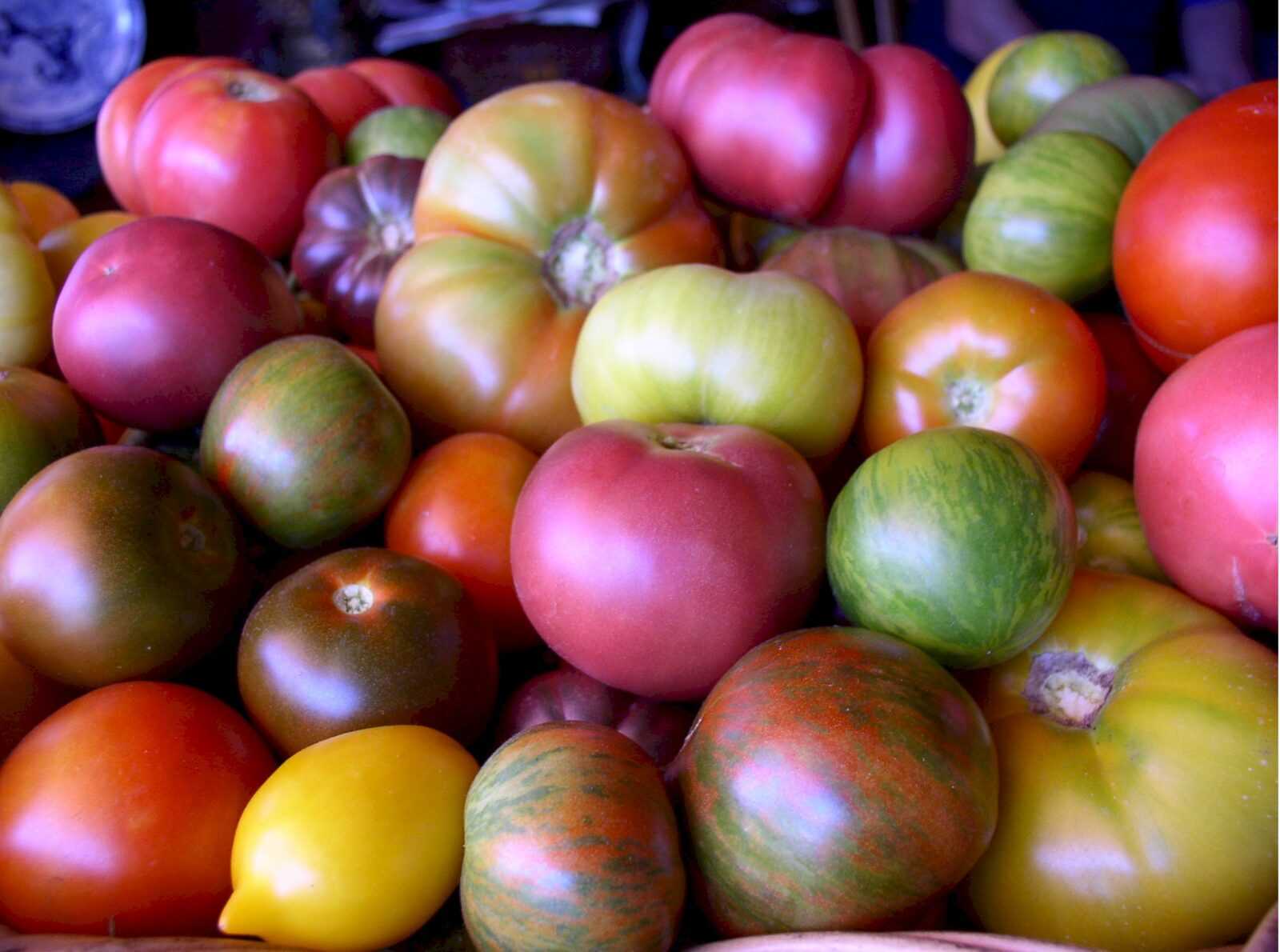


It’s hard to imagine global and Mediterranean cuisine without tomatoes—the queen of salads, shakshuka, and s’chug, the princess of Italian pasta and pizza sauces, and the darling of sea and land dishes across Spain, Provence, Greece, and Turkey. Surprisingly, tomatoes only became widespread in Europe some 200 years ago, and they were entirely unknown to the Western world before Columbus discovered America. Yet tomatoes were not enthusiastically lauded from the start, and even today critics and supporters are firmly divided.
Some plants within the Solanaceae nightshade family are indeed toxic due to the solanine alkaloid found in various parts of the plant. In edible nightshades (tomatoes, peppers, eggplants, potatoes), the solanine level is minute and even further reduced by cooking, thus they’re readily, easily consumed by most people. However, some individuals are indeed sensitive to nightshades, particularly when eaten raw or unripe.
Tomatoes contain lycopene, the pigment that gives them (as well as watermelon) the reddish hue that piques appetite and desire. Lycopene is a powerful antioxidant believed by scientists to actively combat harmful free radicals. Research suggests that lycopene helps lower the risk of various cancers, including prostate, lung, and pancreatic cancer. Together with other compounds, tomatoes may also reduce the risk of heart disease and stroke. Lycopene’s antioxidant properties can promote the healthy function of the eye and brain and even protect against sun damage. Additionally, tomatoes are rich in vitamin C, which supports heart health, stroke prevention, cancer defense, and may reduce complications associated with diabetes and cataracts.
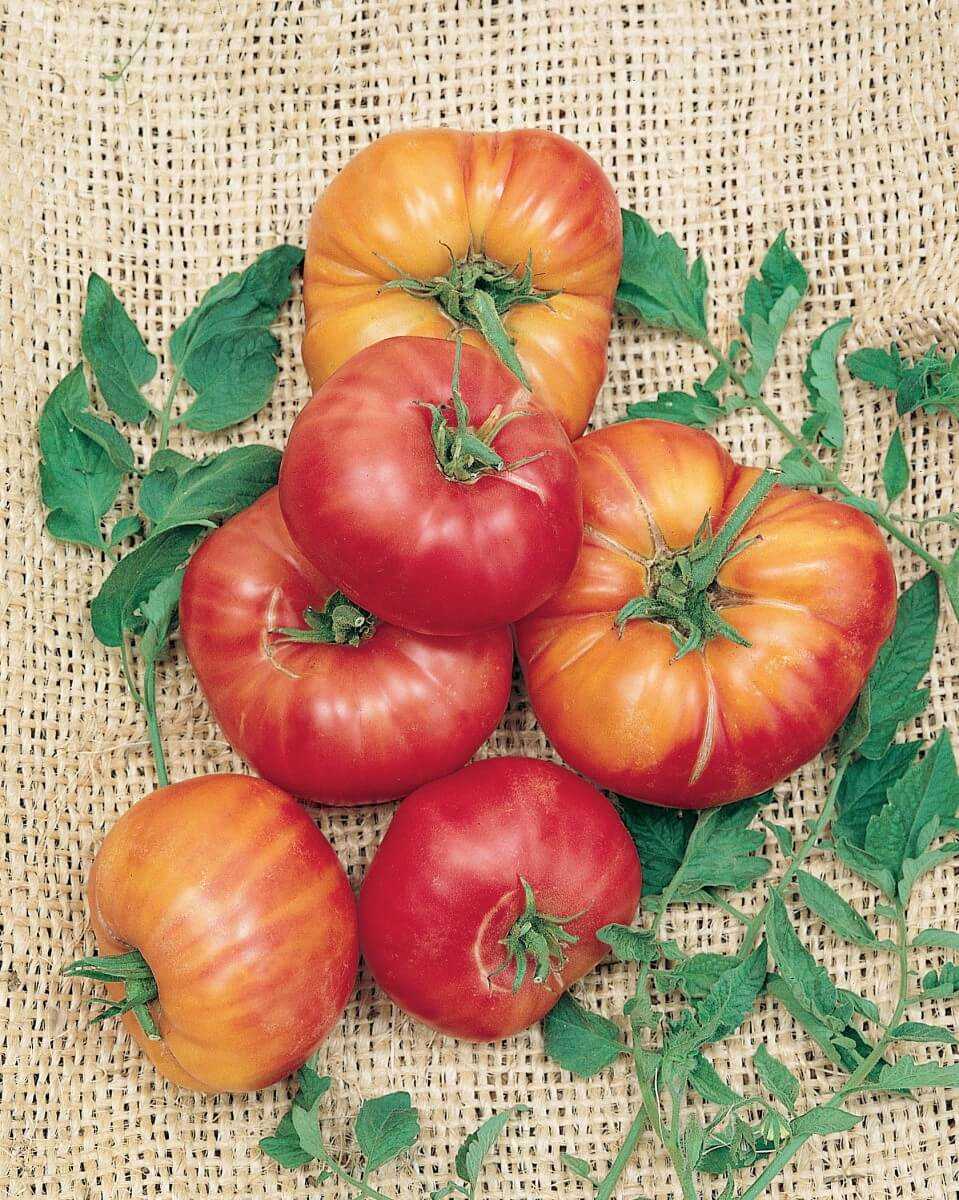
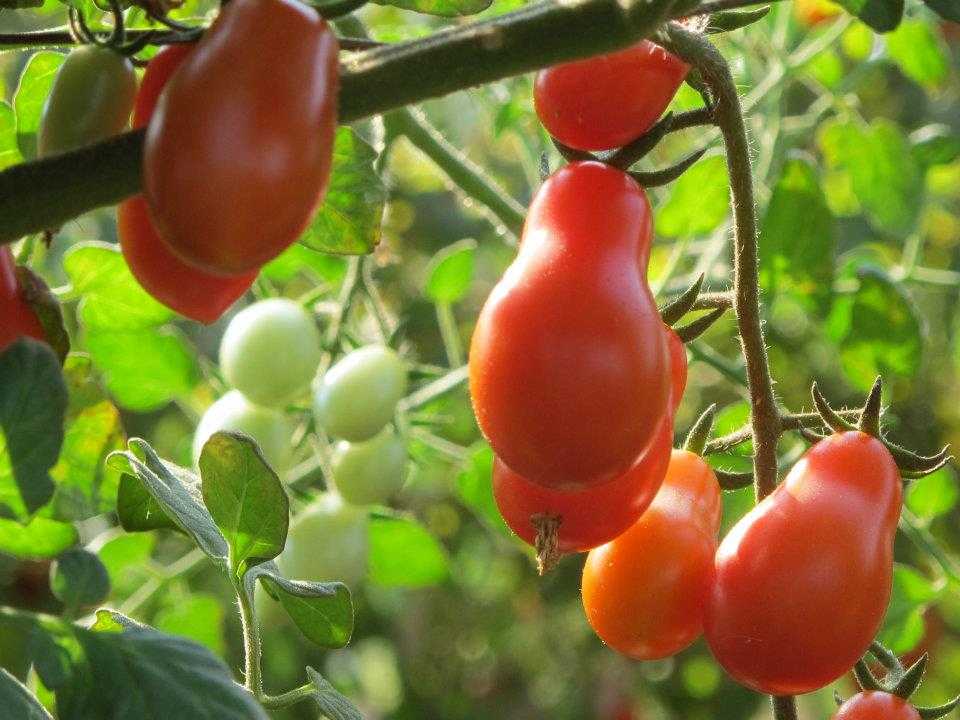
Most tomatoes we know are red, but there’s a stunning, wide variety of colors and sizes. In Chubeza’s first year, we experimented with different heirloom tomato varieties. We tried growing large, soft and sweet Brandywine tomatoes in red and yellow hues. Yet after one season, we realized these simply weren’t practical for weekly vegetable baskets in Israel. While our plants produced beautiful tomatoes, their delicate nature made them vulnerable to damage in transport.
Practicality thus won out over romance, as we opted for tomatoes better suited to handling and delivery. Over the years, we’ve grown elongated plum tomatoes, large round tomatoes, cluster tomatoes, and dainty cherry tomatoes—always selecting varieties that offer excellent flavor and durability.
We’re excited about the new, very special varieties now entering the market—some heirloom types adapted for local conditions, and others developed through modern breeding. This year, Chubeza’s field welcomes two very special varieties:
Maggie Tomatoes – The result of six years of development in collaboration between the Hazera Seeds Company and Israel’s Faculty of Agriculture, led by Dr. Gadi Ben-Uliel. This variety was bred using traditional crossbreeding methods to achieve desirable traits from select tomato strains. The goal was to recreate an old-fashioned tomato flavor compatible with today’s cultivation and marketing. The result: an aromatic tomato, rich in lycopene, with a strong, both sweet-and-tangy taste, which remains firm, meaty, and long-lasting.
Oxheart Tomatoes – A classic heirloom variety from Italy, sometimes called Beefheart (“Beefsteak”). These names all highlight this tomato’s meaty texture. Oxheart tomatoes are large with intriguing shapes, showcasing red-green-brown hues. They are excellent for cooking, roasting, and baking.
Add these very special tomatoes to your vegetable box as an “extra product.” We package them in sturdy plastic containers to protect them in your box. Order today through our ordering system under the category “Chubeza Vegetables and Fruits.”
During these weeks of rich red summer harvest, we’re striving to send both cherry tomatoes and regular tomatoes to your boxes. Check out our recipe collection for ideas on preserving tomatoes, whether by drying, whipping up a sauce, or even tomato jam. B’tayavon!
May everyone enjoy a quiet week. Bask in the sunshine and stay hydrated! May we be blessed with peaceful days ahead, a speedy end to the war and the safe return of all hostages to their homes.
Alon, Bat-Ami, Dror, Einat, and the entire Chubeza team