The Weekly Newsletter of Chubeza Farm
THANK YOU!!
FLAVORS OF HOME
What does a person need in life?
Good memories
To reflect upon in the twilight of their days.
A great love,
To broaden the heart.
Regret, ideally just a hint.
To feel the sting of chances lost.
Flavors of home,
served with a yearning,
around a set table.
In life, a person needs
Family
Michael Zats
Translated from the Hebrew by Aliza Raz-Melzer
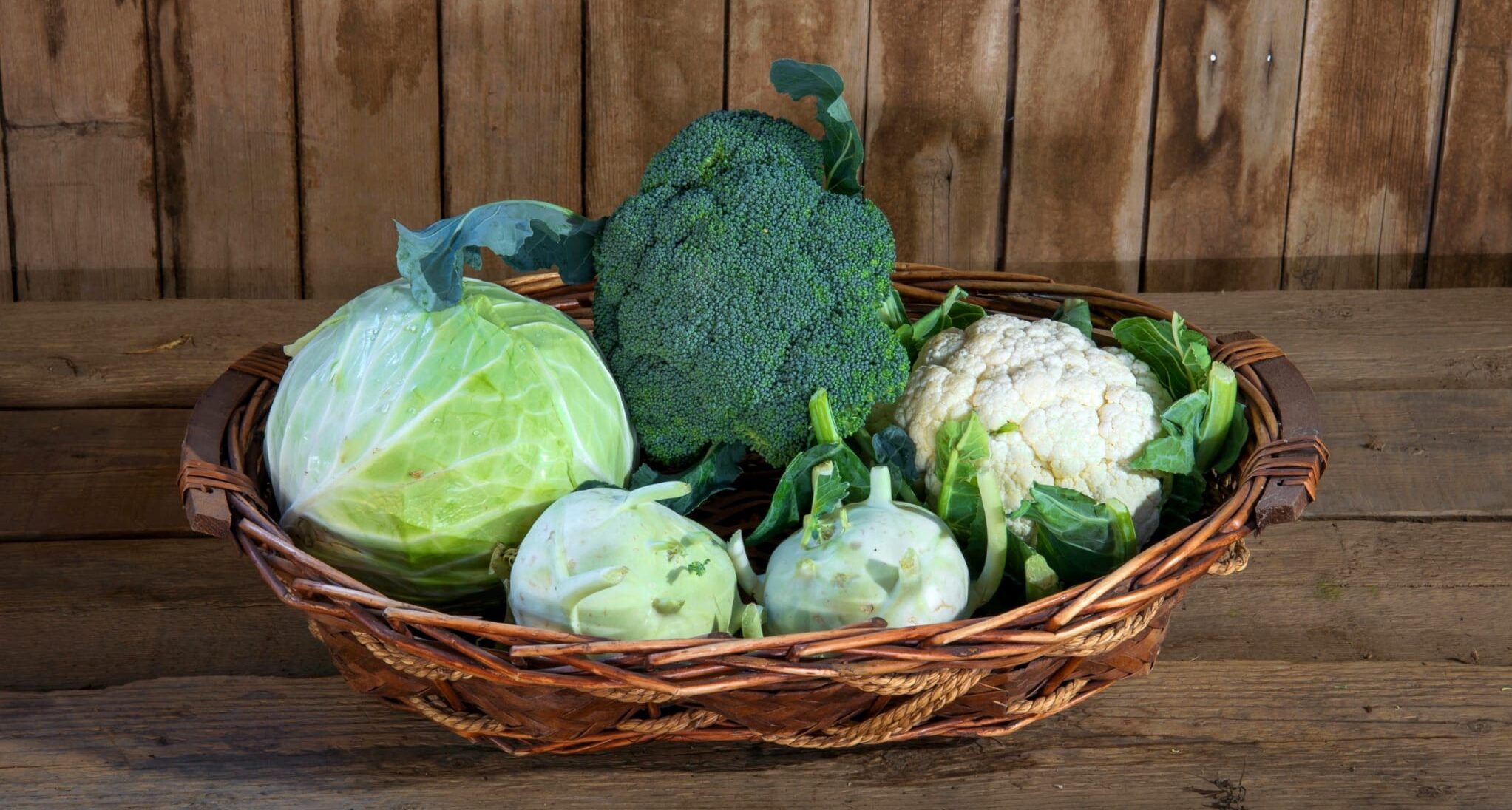
For the past several weeks, your Chubeza boxes have been brimming with members of the remarkable Brassicaceae family - broccoli, cauliflower, cabbage, kale and kohlrabi - true winter kings in the field. They represent different preferences and developments in plants: leaves, flower buds, thickened stems. Just give the Brassicaceae rich and fertile soil, and they will provide us with a heaping portion of health, nourishment, and flavor. Plus true beauty - a cauliflower with its bright, intricately-designed white crown, a green or purple cabbage dotted with raindrops, or Brussels sprouts seeming to race up the stem to reach the top. This stunning pluralistic diversity warms the heart. Here is a family accepting each member’s very special traits, means of development, characteristic colors, and distinct flavor.
Granted, this development in widespread directions took many historical ages, as each family member forged a different direction, stressed a different trait, and grew accordingly. This was mainly thanks to the curiosity and self-confidence of farmers (probably female farmers...), traditions, and loyalty during times when everything was much slower, and patience was abundant (did they have a choice?). Changes and developments were achieved by hard work and sweat of the brow, which surely led to a fuller, more significant joy in the success of positive results.
Today’s pace of innovations and changes is much swifter than in the past, but even in the distant, “primitive” days of old, farmers constantly developed and refined their crops, renewing and changing the vegetables they grew, slowly and patiently. In truth, many of the most amazing changes in species development came not due to structured research, but rather out of the simple act of a farmer choosing those plants he/she favored over seeds from less desired plants. This straightforward act of promoting one plant over another had a profound impact on the improvement and change of a specific crop or variety. Long before humans understood the genetics of plants, their actions brought about small, slow variations in the crops, which accumulated over time until generating tangible results.
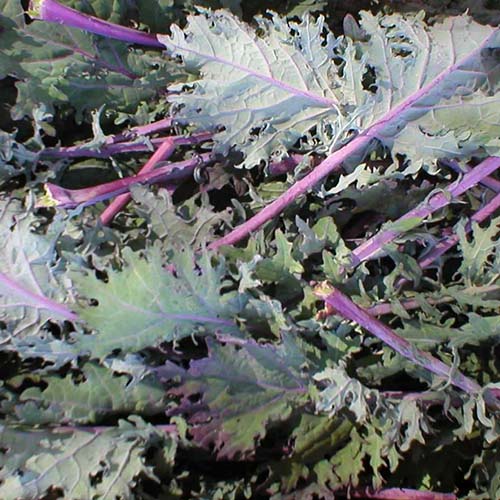
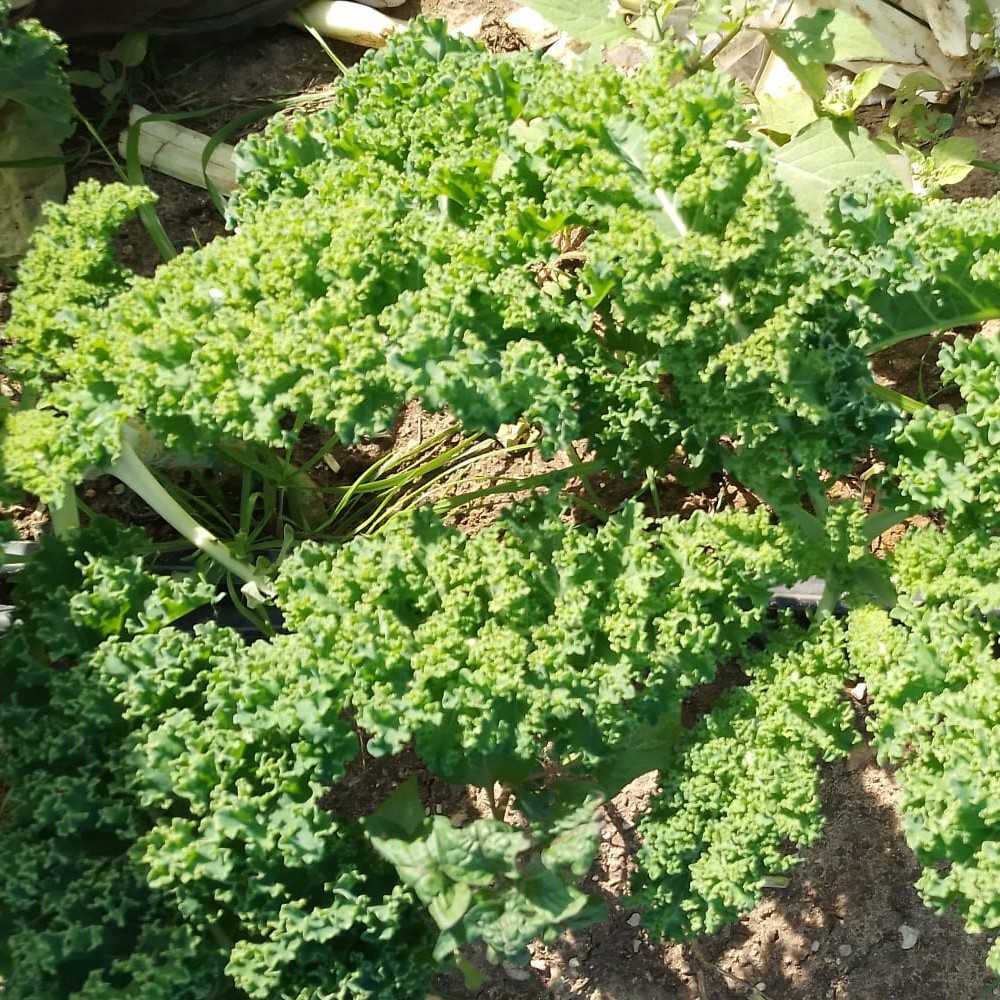

The Brassicaceae family is a perfect example. All family members originated from one wild plant, Brassica oleracea, born in the Mediterranean region and resembling a canola plant in appearance. At some point after domesticating the plant, people began growing it for its leaves. Since they consumed the leaves, it made sense each year to choose the plants that produced the largest leaves. As a result, those leaves became bigger and bigger, leading to the creation of the plant we now know as kale or collards. Kale’s botanical name is var. acephala, which translates to a "headless cabbage."
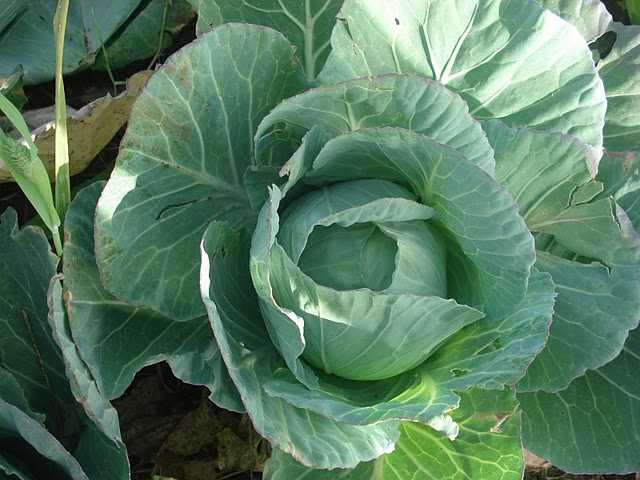
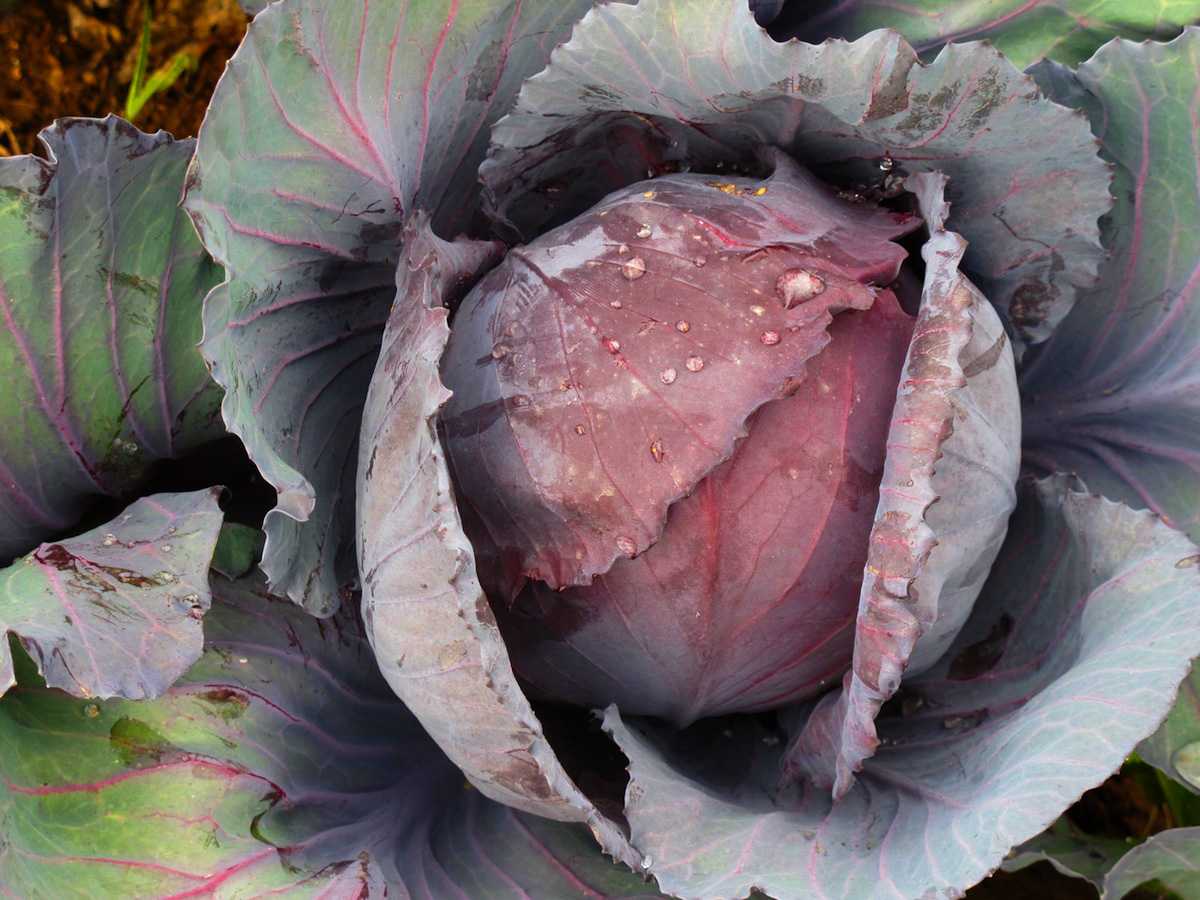
Others preferred plants that produced smaller, denser, and more delicate leaves in the plant’s center at the top of the stem, hence advancing plants with these traits. Over the seasons, the trait of compactness became more and more prominent in such plants, resulting in a dense, closed cluster of leaves at the top of the plant. Over the years, it grew and evolved into the "head" we know as cabbage, whose formal title is var. capitata, a "headed cabbage."

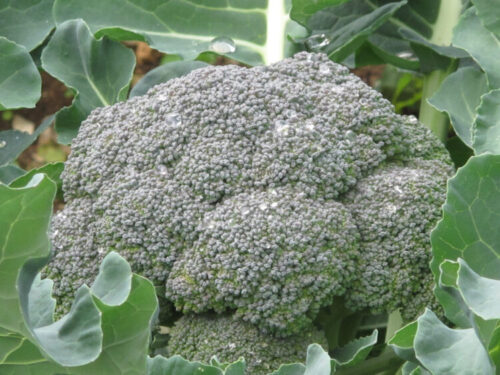
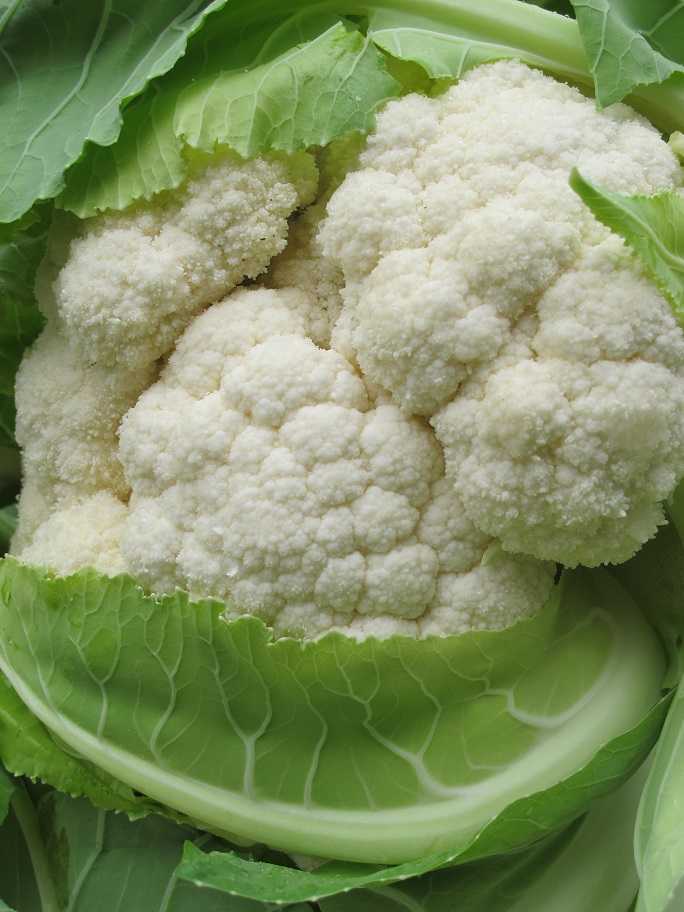
Sometime within the last thousand years, humans developed a passion for eating the undeveloped flower buds of the cabbage and chose plants that produced large flower heads. This is how cauliflower and broccoli were born, both variations of the undeveloped inflorescence of cabbage. Cauliflower is var. botrytis, meaning "cluster," for its resemblance to a cluster of grapes. Broccoli, developed in Italy, earned the title var. italica.

And there were those who focused on yet another part of the plant. In the region of today’s Germany, farmers preferred kale plants sporting short, thick stems. Actually, they preferred to eat the stem itself, and slowly. By selecting plants with a tendency for a thick stem, these farmers led the ancient cabbage to change its stem, becoming very thick, to create kohlrabi, var. caulorapa, meaning "turnip-stem."
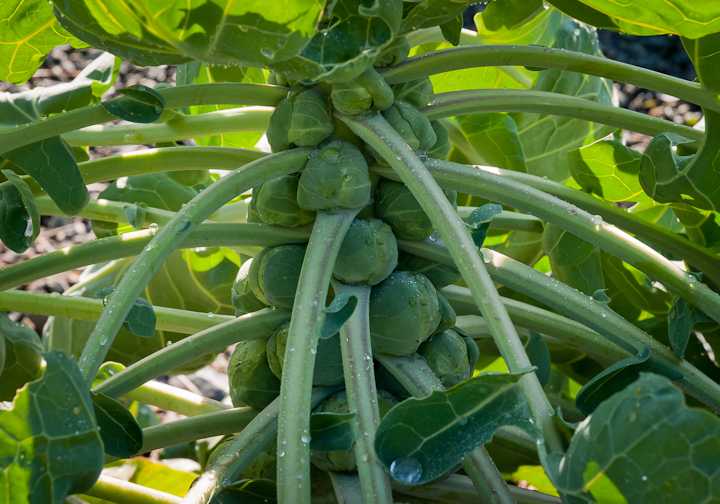
As for the last member of this robust, extended family: We each have our own individual preferences for tastes and smells, and apparently there were also those (probably the Belgians) who preferred plants that developed an assemblage of dense, clustered leaves along the stem. They chose and rechose plants that produced this leaf shape, thus bringing the world Brussels sprouts, titled var. gemmifera, "gem-bearing cabbage."
Thus, this twisting family tale demonstrates that even without formal education in genetics or plant breeding, but via a simple process of careful observation, seed selection by the growers, and a great deal of perseverance and patience, six distinctive vegetables have been developed over the past 7,000 years. Small, everyday miracles. They happen in the best of families.
Wishing you all good news, perseverance, and inner strength. May hearty rains and other blessings come very soon. May we quickly see the war’s end, and the daughters’ and sons’ speedy return to the embrace of their families.
Alon, Bat-Ami, Dror, Einat, and the entire Chubeza team