The Weekly Newsletter of Chubeza Farm
THANK YOU!!
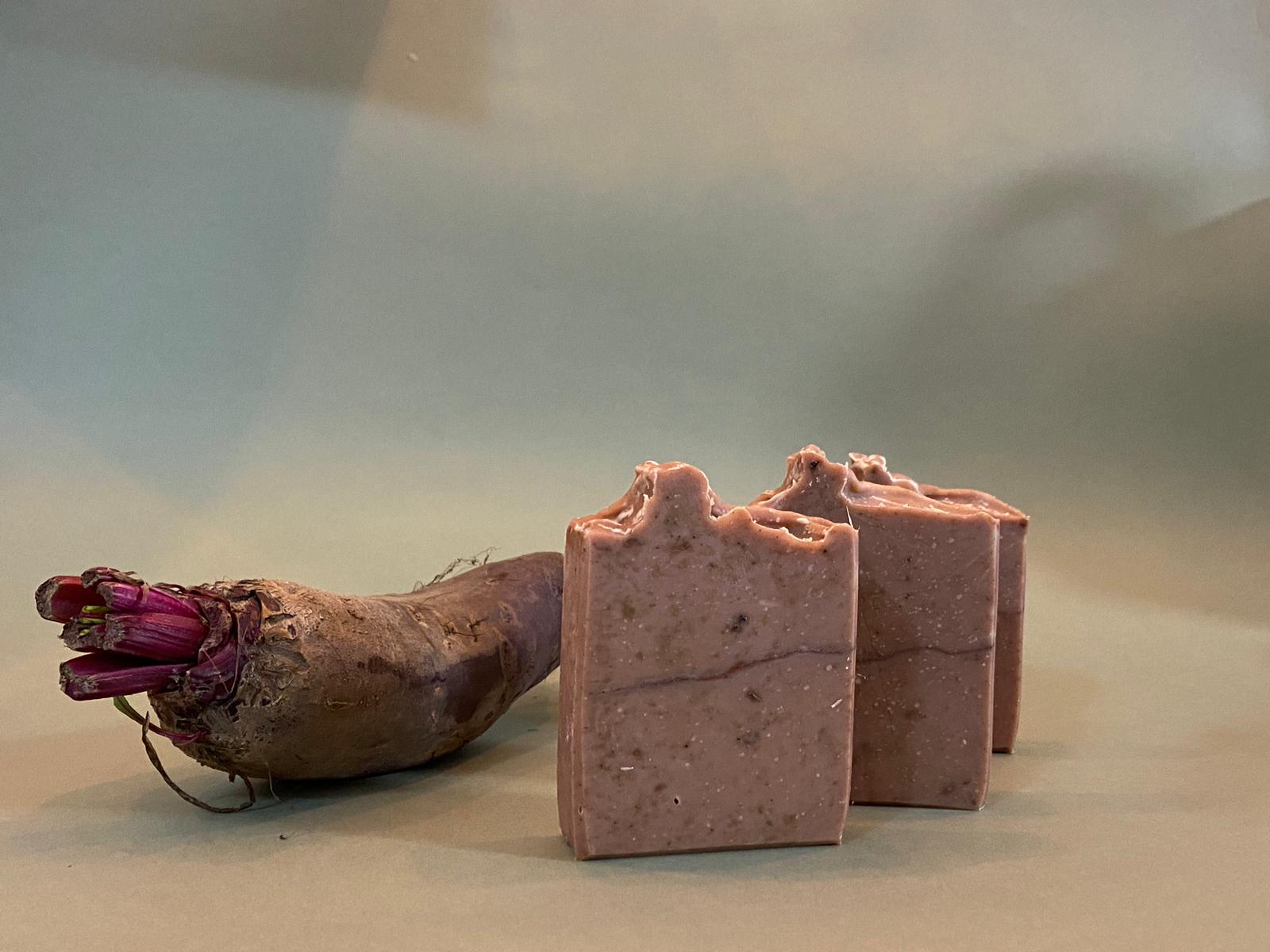
Yael Cohen of Jerusalem is a natural cosmetics pharmacist who makes soaps from... vegetables! We got to know and love her pumpkin soap several months ago. Now it’s the season for a new soap – this time from... beetroot! Add this distinctive red treasure today to your Chubeza box via our ordering system
This week marked the change of both a month and a year, as Kislev made way for Tevet, December for January, and 2024 for 2025. Such times are indeed moments for reflection – on what has happened over the past year, and on where we now are heading.
Chanukah, our very own festival of lights, celebrates the victory of the tiny light over the great darkness, manifested by the Greek occupation that inflicted its culture on the Jewish residents of the land. Antiochus the Greek saw his Hellenistic culture as far loftier than the local Jewish culture he deemed barbaric. He sought to create unity among the peoples he conquered. After all, what forges unity better than one strong, beautiful and divinely prescribed culture to bring about identification and loyalty? He therefore deprived the conquered nations of their religious and cultural freedom. In the Land of Israel, the Temple – the Jew’s symbol of spiritual expression and sacred practice – was desecrated, defiled and rendered impure. The Greek statue placed in the Temple and the religious prohibitions against practicing sacred Jewish rituals were intended to proclaim the supremacy of the Greek culture and the defeat of local beliefs.
Turns out, this didn’t actually work… The affront to culture and religion spawned a fierce rebellion, the conquest of Jerusalem by the Maccabees, purification of the holy Temple, the restoration of Jewish religious worship, and some 80 years of autonomous Hasmonean rule in Judea.
As a child, the story of Chanukah highlighted the victory of nationalism and religion. And perhaps, historically, that makes sense. But today when I return to the story, I can see the power of the aspiration for freedom and unique local self-expression. A unification of culture cannot survive for long. We all need our identity and communal expression, and when there’s a broad diversity of identities, opinions, and cultures – that’s when the great light prevails.
Even on our plate, without such diversity and differences, our vegetable salads, or the entire meal for that matter, would be quite dull and uniform. In diverse places round the globe, many types of food and crops were developed and cultivated, and the synergy between them, without cancelling out one another, has created the marvelous richness of our vegetable boxes. So in honor of Chanukah, I shall sing praises to the freedom to grow homegrown vegetables that are diverse and interesting, and dedicate the next two newsletters to the tale of worldwide agricultural culture.
In the beginning, humans were nomadic hunters and gatherers. They did not fence themselves in, did not build houses, or work the field for agricultural cultivation. Instead, they moved from place to place, scavenging whatever they found along the way: herbs, grains, cereals, leaves, roots and fruit. Each season introduced additional crops, and people moved according to the weather, like the migrating birds wintering in warmer climates and escaping the great heat by drifting to cooler places in summer. Seeds of grains and fruit and hard roots which could be preserved for longer periods of time were sometimes stored in preparation for harsh winters.
Over time, human beings began to settle down and domesticate plants and animals by gathering the plants they enjoyed (not too bitter or toxic) closer to them to grow and cultivate. Around the house, the soil became rich in nitrogen, generated by animal and human wastes, which enriched the earth to make it extra-perfect for agriculture.
In time, people discovered the crucial secret of plant reproduction: if you save the seeds the plant produces, you can sow them in the earth and a new plant will emerge. From season to season, seeds from the more successful crops were saved according to their use – those with extra-large leaves, large roots or fruit; those tastier than others, sweeter or stronger flavored, and those that proved strong and resistant to pests and weather hazards. Thus, humankind developed more and more successful varieties for their needs and uses, quite naturally, with some personal intervention.
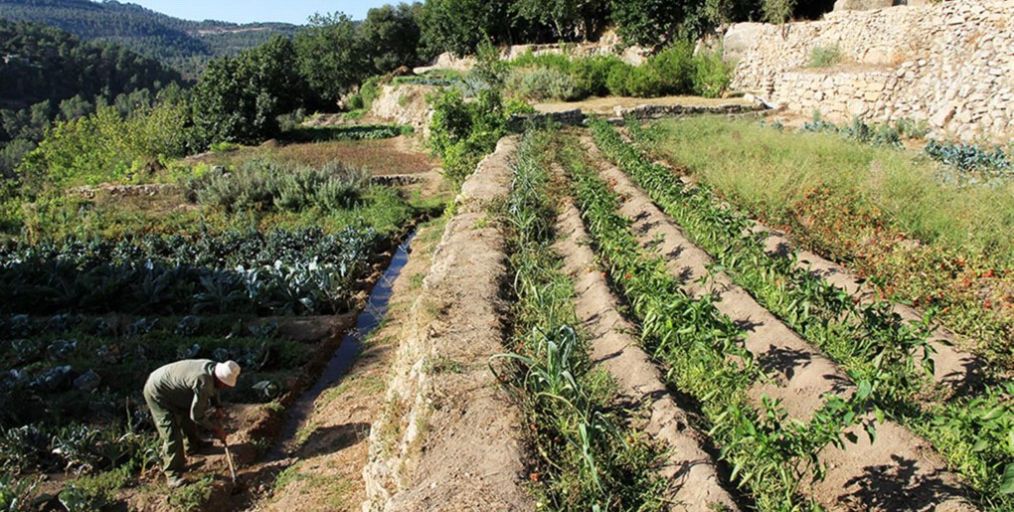
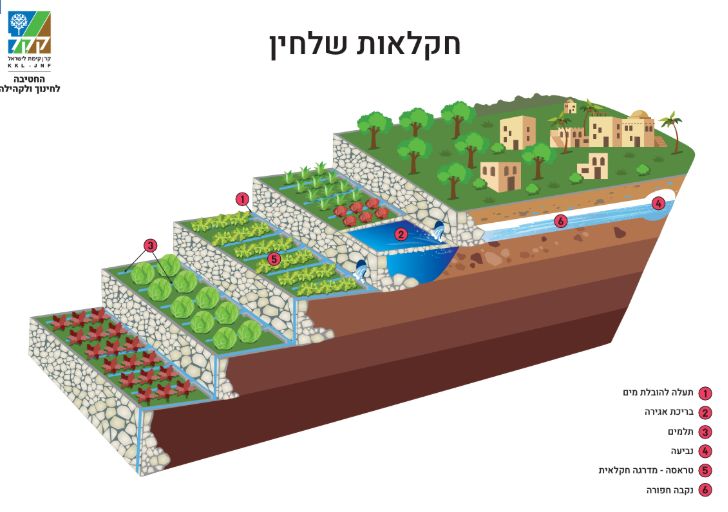
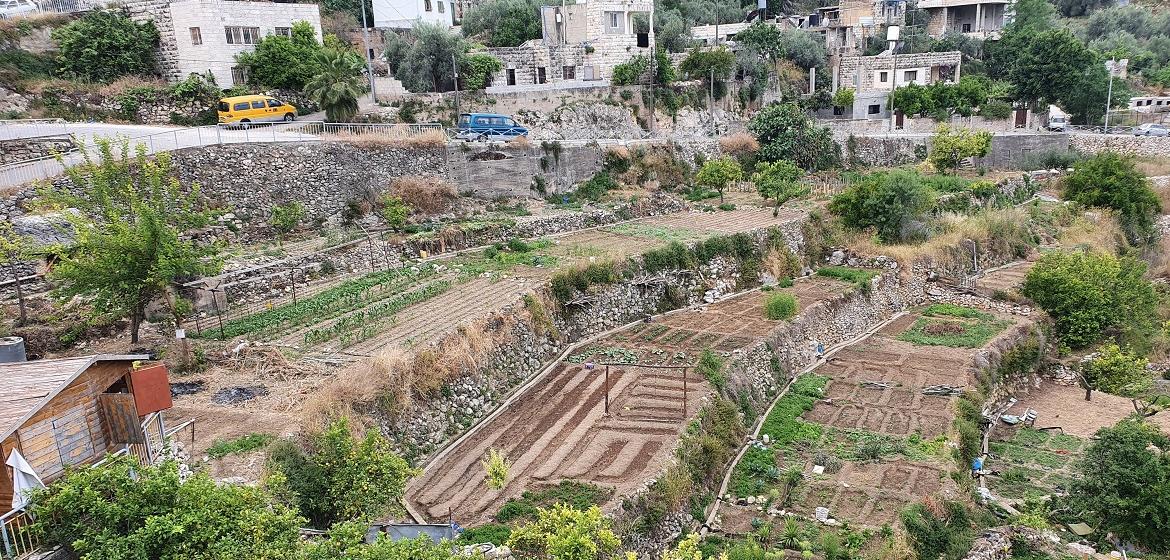
In the ancient Land of Israel, two forms of vegetable farming were developed: Dry Farming – relying solely on rainwater, and Irrigated Farming – using irrigation channels in small square vegetable plots, sometimes within orchards among the rows of trees (ideal for lettuce that craves the trees’ shade and coolness). Between the beds, a system of narrow channels was dug, with nearby spring water channeled through them for irrigation. A cloth rag or pile of dirt served as the faucet opening and closing for the water supply to the channel. This system is quite suitable to a hilly topography where gravity can be harnessed to cause the water to flow.
These ancient, wise farmers used their calloused, gnarled hands and small plots to grow a wide variety of crops, enriching the soil and boosting its fertility, using goat and sheep manure from the herds grazing in the area to enable the intensive growth and the reuse of the soil, season after season, year after year. The Sataf Nature Reserve, situated in the Jerusalem hills, features a vivid example of irrigation plots in the ancient agriculture system.
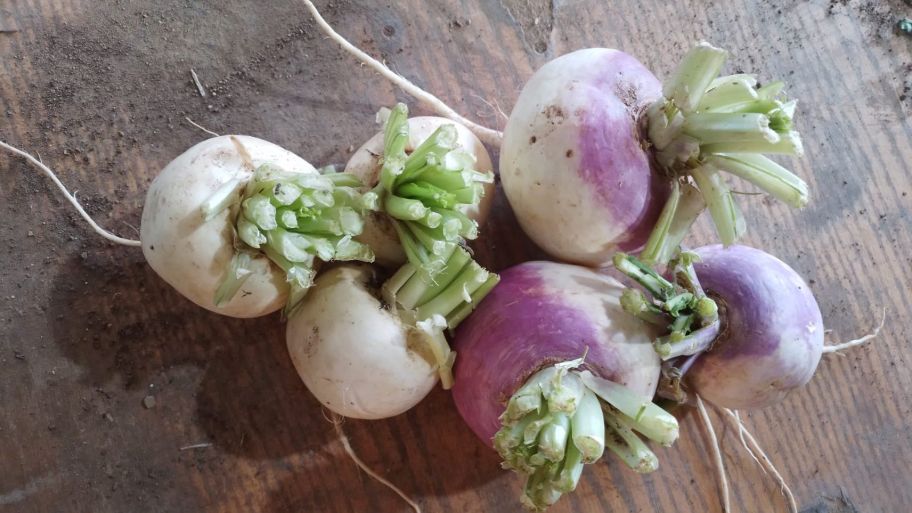
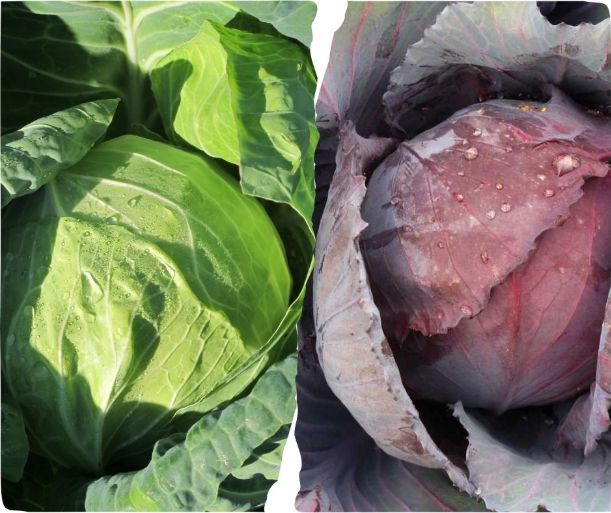
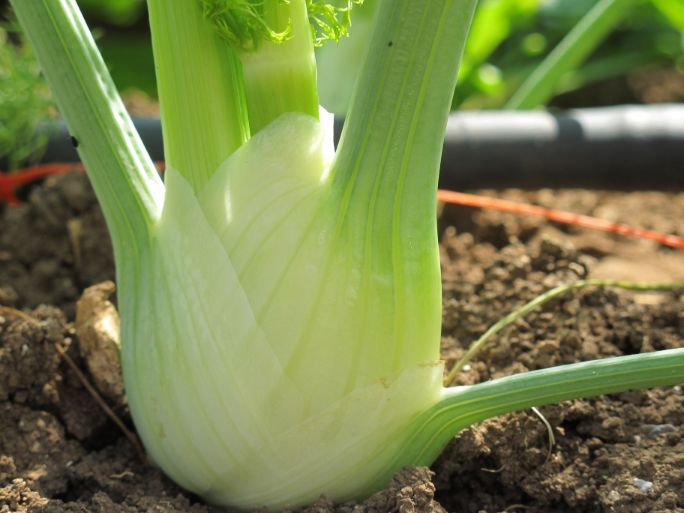
Thus, in various places in the world, different types of vegetables were developed, resulting in the vast variety of vegetables we have today:
In the Mediterranean, rich vegetable farming developed to include such root vegetables as radishes, turnips, garlic, celery, leeks and onions; leafy vegetables such as cabbage and chard, as well as fava beans, asparagus, artichoke and fennel. Agriculture in this entire region contributed a great deal of knowledge and many varieties to Roman agriculture, which reached all of Europe. In Northern Europe, the species that manage well in winter were acclimated best (beets, carrots and other roots, various leaves and the celebrated cabbage family).
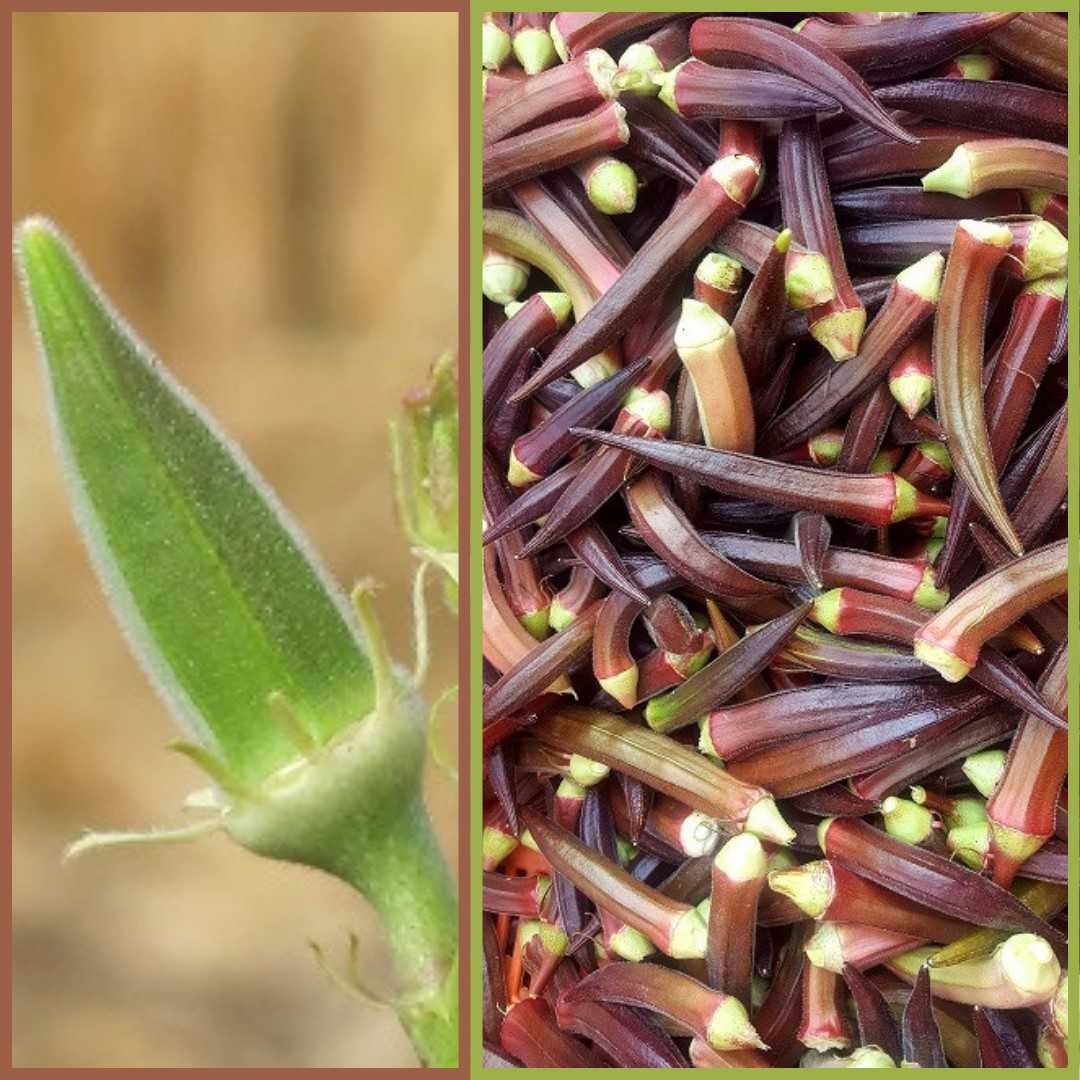
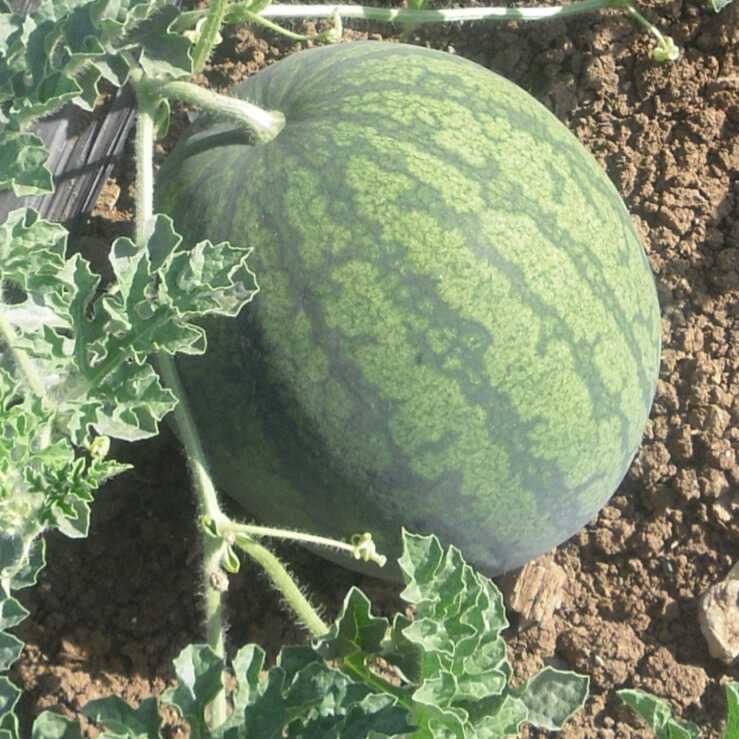
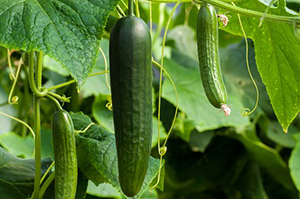
From Africa we received melons, okra, watermelon, and an abundance of fruits. From the Indian regions came cucumbers, black-eyed peas, and many spices, including black pepper, basil, vanilla, and more.
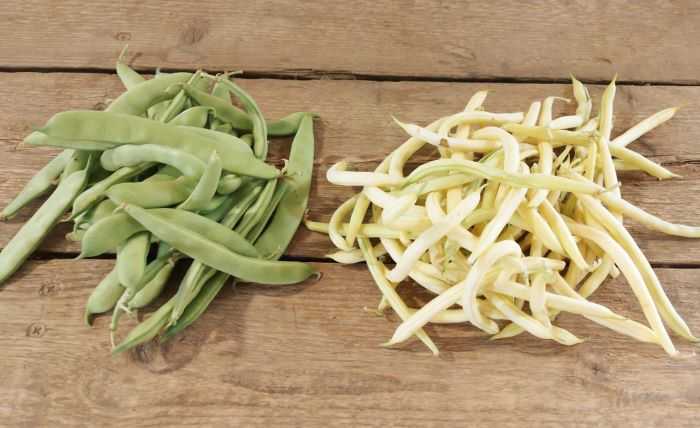
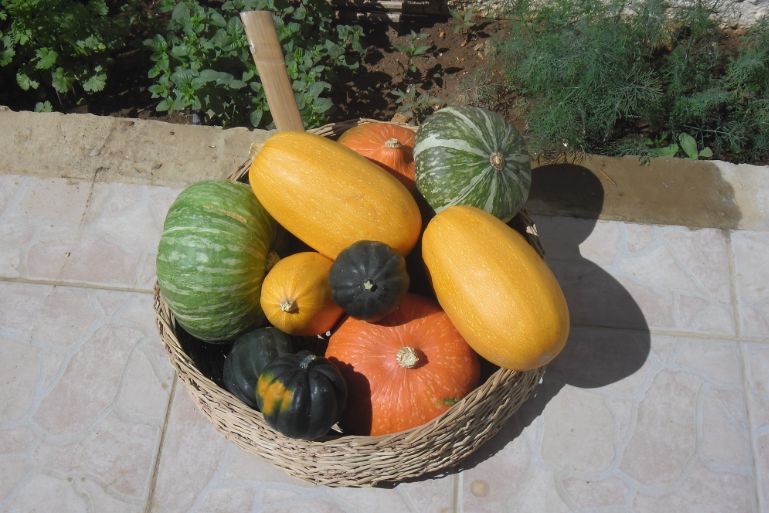
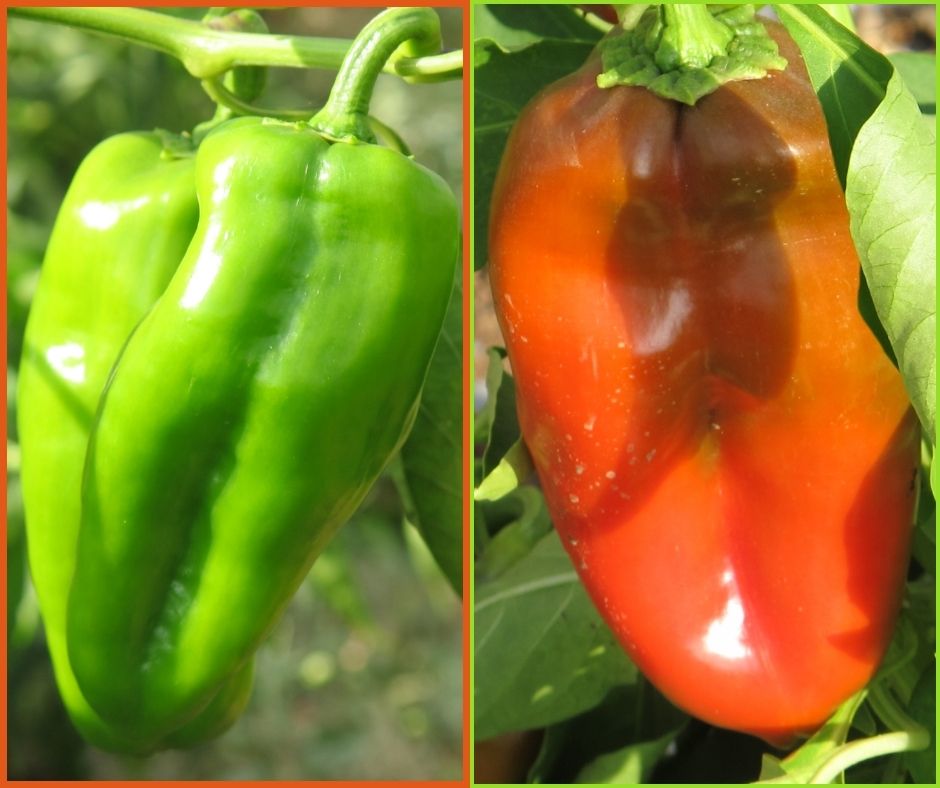
In the warm, rainy regions of Central and South America, heat-loving veggies were grown, particularly the nightshade family: potatoes, tomatoes, eggplants, peppers, as well as the gourds: various pumpkins and squashes, plus sweet potatoes, corn, and various beans.
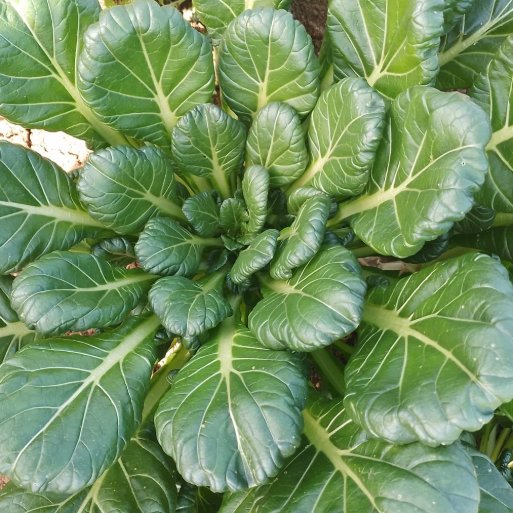
In China’s river valleys, amazing agriculture developed, still maintaining its uniqueness today by preserving extremely high soil fertility, enabling quick-growing, high-yielding crops, achieved through maximal recycling of all organic waste. The Chinese contributed such other leafy varieties as Chinese cabbage, mustard leaves, bok choy, totsoi, mizuna (and many other greens), the giant radish, and of course, soybeans and rice. They also developed the culture of sprouting, which yields a crop rich in vitamins and enzymes within mere days.
And lastly, the beloved strawberry, which only entered agricultural cultivation in the 16th century from the forests of Europe.
And there you have it -- this melting pot produced today’s vast variety of different types of vegetables, which split into thousands of varieties and sub-varieties. A true song of praise for the freedom to create, nurture, grow, diversify, and taste.
We close once again with the fervent hope that light will replace darkness, that the war will end, the hostages will return home, and the soldiers will return to their families' embrace.
Who Will Light?
Those who walk in darkness will see the great light.
Those who yearn for freedom will find a home.
Darkness rules over the lights
and those who stand, still search for miracles.
Who will light a candle for the future?
Who will sing a song?
Who will find in their heart a new bright light?
In yesterday's torch, the fire will still burn.
Sometimes a great miracle happens again!
-Naomi Shemer
Wishing you all a bright Chanukah!
Alon, Bat-Ami, Dror, Einat, and the entire Chubeza team